



Antique Japanese Desk
An antique japanese desk brings craftsmanship in wood, lacquer, and metalwork straight into a room, offering a distinct workspace rooted in historical periods.
Antique Japanese Desk
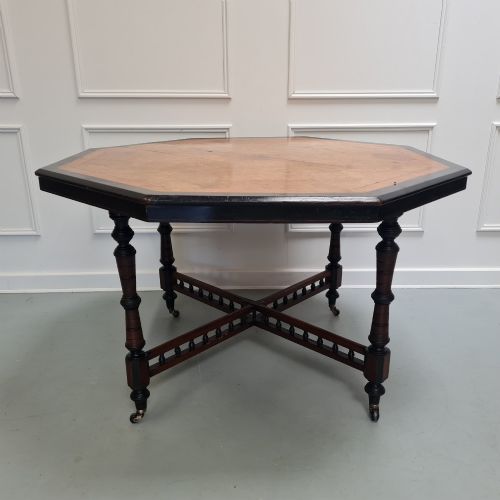
When searching for an antique japanese desk, buyers encounter forms ranging from specialised writing tables and cylinder desks to smaller writing boxes and partner pieces carrying Victorian Anglo-Japanese influence.
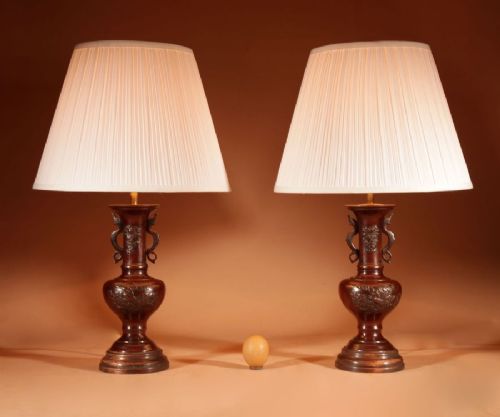
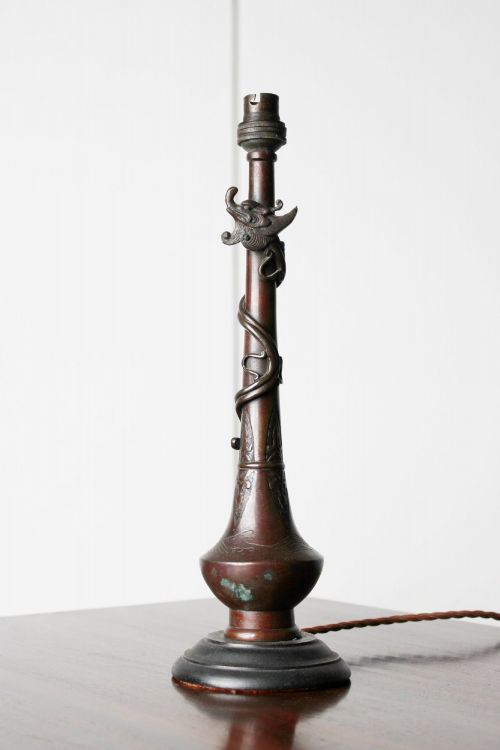
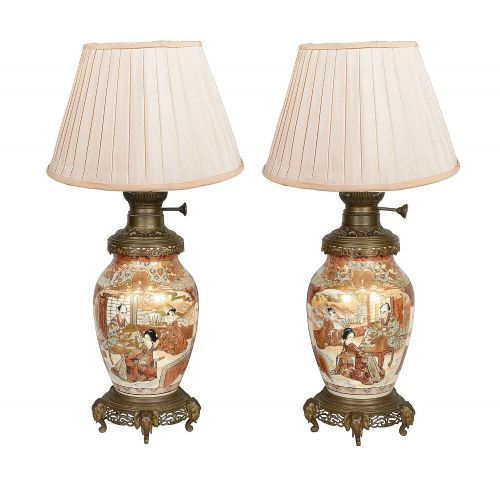
The material record spans carved hardwood, lacquer, and bamboo, alongside European styles such as the Aesthetic Movement and Chinoiserie that incorporate eastern motifs or converted vessels.
Pieces surface from the Edo and Meiji periods, reflecting both traditional domestic furniture and items produced for export during the nineteenth century.
Materials and Techniques
Constructed primarily from hardwood, bamboo, and lacquer, these desks employ traditional joinery and surface treatments native to Japanese workshops and British Victorian cabinet makers.
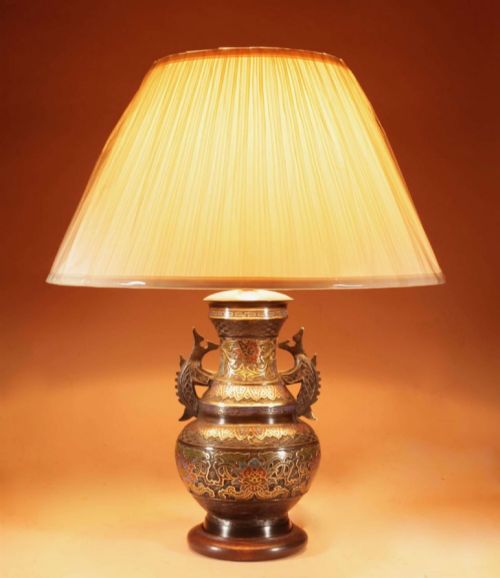
Decorative elements involve bronze, brass, champlevé, and cloisonné work, alongside intricate wood carving and Yosegi mosaic parquetry.
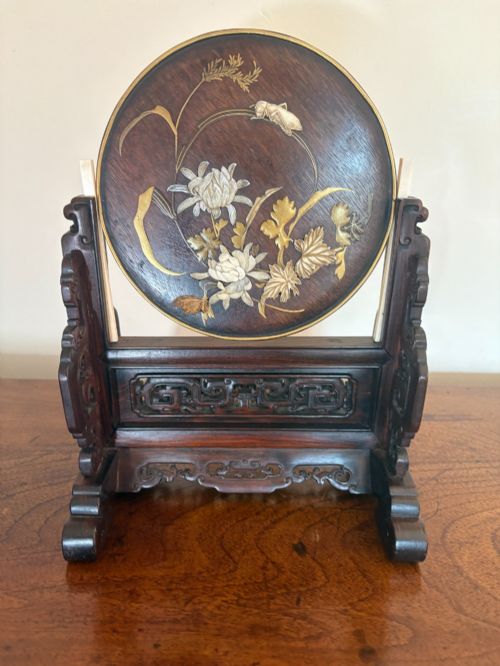
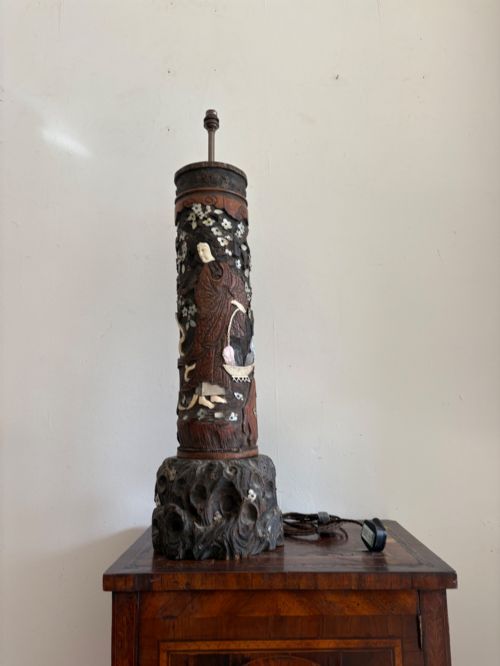
Surfaces often integrate mixed metals, mother of pearl inlay, and delicate lacquer finishes applied to structural wood cores.
Listings feature items from the Edo and Meiji periods alongside Victorian interpretations incorporating hardwood, lacquer, and bronze.
Distinctions in Standard
Quality separates objects by the precision of their joinery, the depth and clarity of carved woodwork, and the intact state of delicate lacquer and inlay work.
Exhibition grade pieces demonstrate superior mastery in Yosegi parquetry and balanced proportions, whereas utilitarian items rely on simpler construction.
The refinement of cast bronze fittings and the preservation of original finishes influence the standing of an item within its period.
Blyth And Son
The Antique Japanese Desk Glossary
- Yosegi
- A traditional Japanese mosaic woodwork technique utilising natural coloured woods to create geometric patterns on surfaces such as cylinder desks.
- Meiji Period
- The era spanning from eighteen sixty-eight to nineteen twelve, characterised by significant artistic output and international trade in decorative arts.
- Kodansu
- A small portable table cabinet featuring multiple drawers and compartments, frequently finished in black lacquer.
- Aesthetic Movement
- A late nineteenth century design style that emphasised visual beauty over narrative content, drawing heavily on Japanese art and motifs.
- Chinoiserie
- A European decorative style reflecting Chinese and broader East Asian artistic traditions, often applied to furniture and clocks.
Antique Japanese Desk: Frequently Asked Questions
What is an antique japanese desk?
An antique japanese desk is a writing surface or cabinet originating from Japan or created in Europe under strong eastern influence during the nineteenth century.
These pieces include cylinder desks, writing tables, and compact lacquer boxes designed for correspondence and study.
How do I date an antique japanese desk?
Dating relies on identifying period characteristics such as Meiji craftsmanship, Edo construction methods, or Victorian Anglo-Japanese design influences.
Materials like hardwood, lacquer, and bronze fittings also provide clear chronological markers linked to exhibition standards and workshop practices.
Where were these desks used?
These desks served in private studies, libraries, and drawing rooms as functional workspaces or decorative display furniture.
Export pieces often found homes in European residences influenced by the Aesthetic Movement and Japonisme.
How do I maintain wood and lacquer surfaces?
Maintenance requires keeping pieces away from direct sunlight and maintaining stable indoor humidity to protect delicate lacquer and timber.
Dusting gently with a soft dry cloth preserves the finish without harming intricate parquetry or inlaid details.