



Antique Japanese Brass
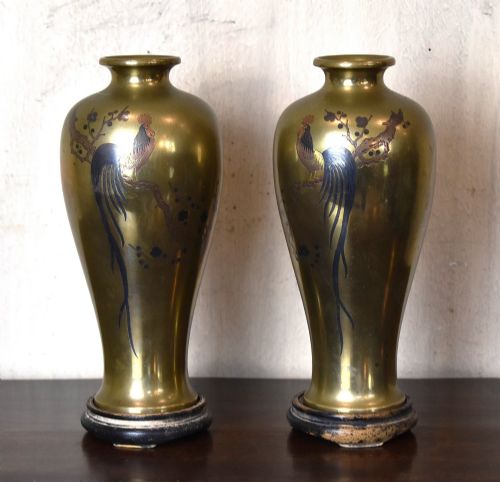
These antique japanese brass items and related metalwork bring nineteenth-century craftsmanship into a modern room through decorative chargers, vases, and table lamps.
Antique Japanese Brass
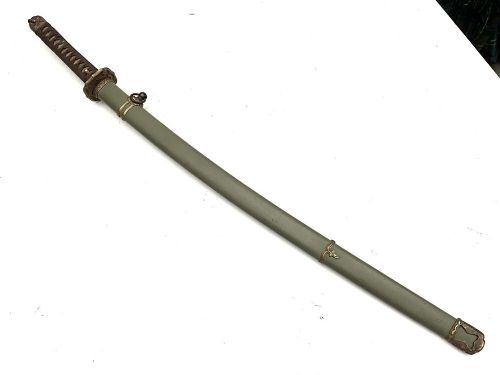
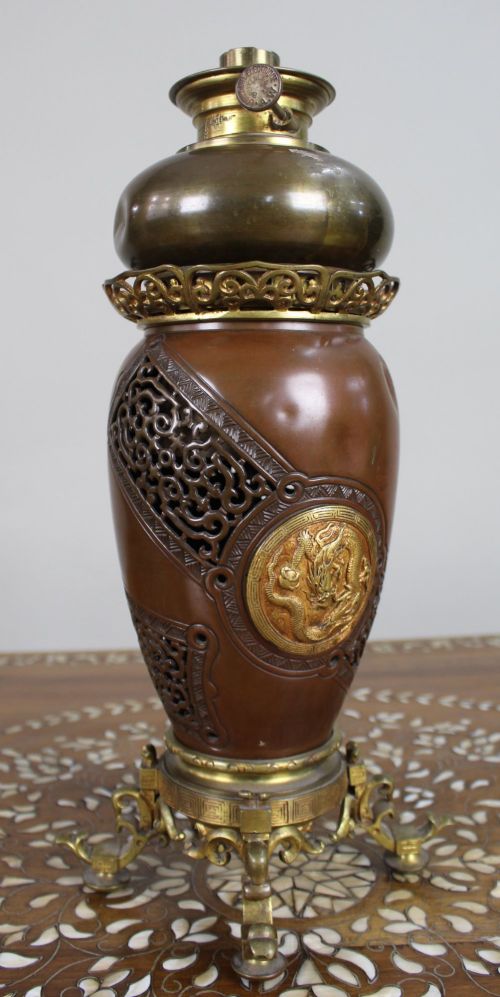
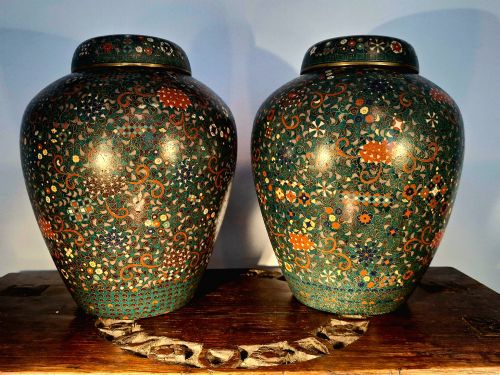
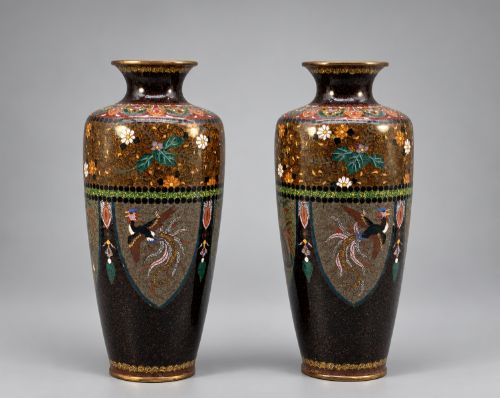
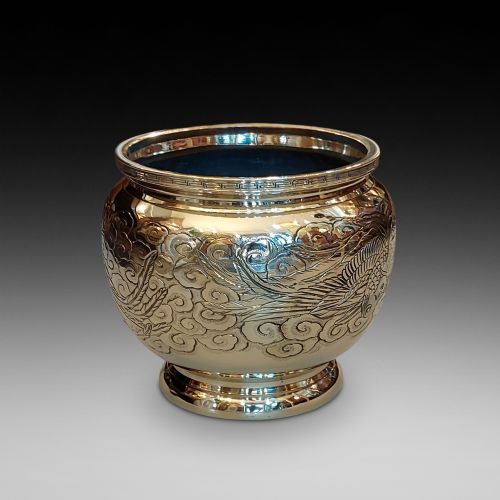
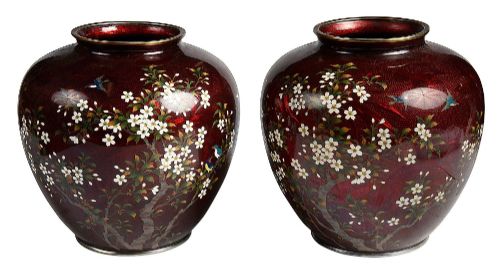
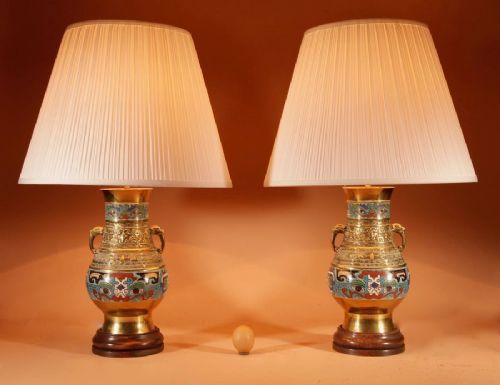
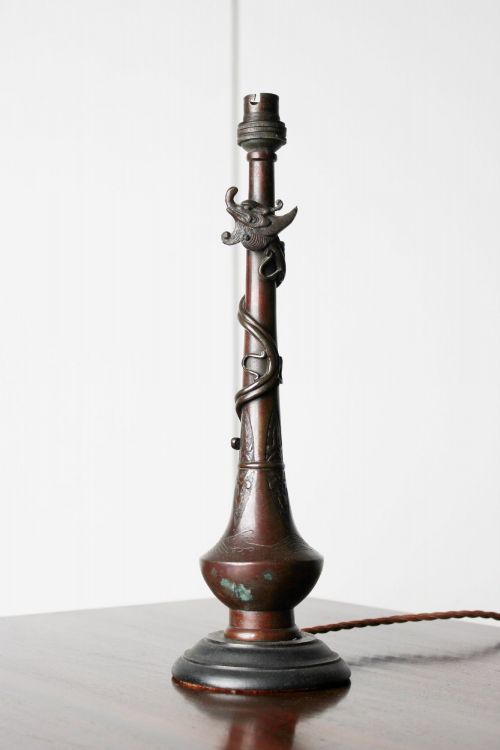
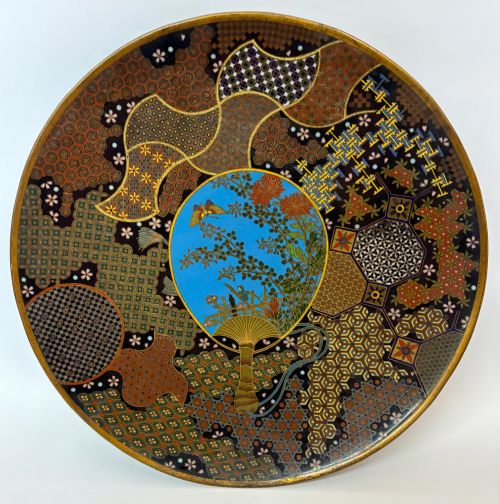
When you search for antique japanese brass, you encounter metal vessels, lamps, and decorative plates originating primarily from the nineteenth century and the Meiji period. The selection on this page relies heavily on cloisonné enamel chargers, bronze oil lamps, and polished brass jardinieres produced during the late Victorian and Edwardian eras.
Vessels span from miniature ritual vases to large chargers depicting birds, landscapes, and koi fish. Many items bridge traditional Japanese metalworking techniques with Western domestic forms such as table lamps and desk accessories.
Materials and construction
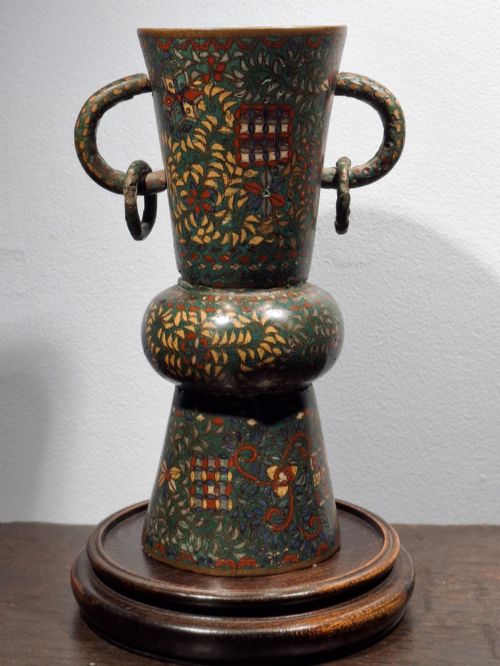
Artisans combined brass, bronze, and copper foundations with detailed surface treatments including champlevé and cloisonné enamel. Wirework soldered to metal bases created cells which were filled with coloured enamel pastes and fired multiple times.
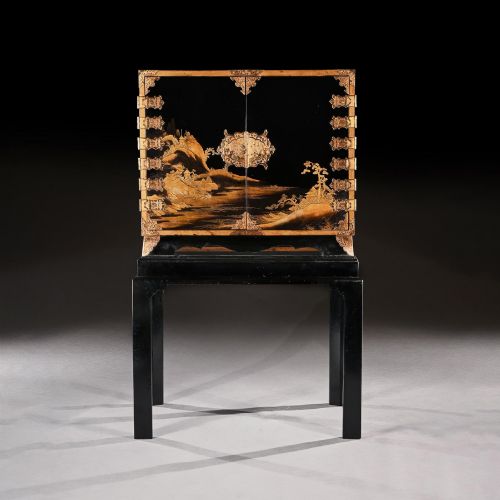
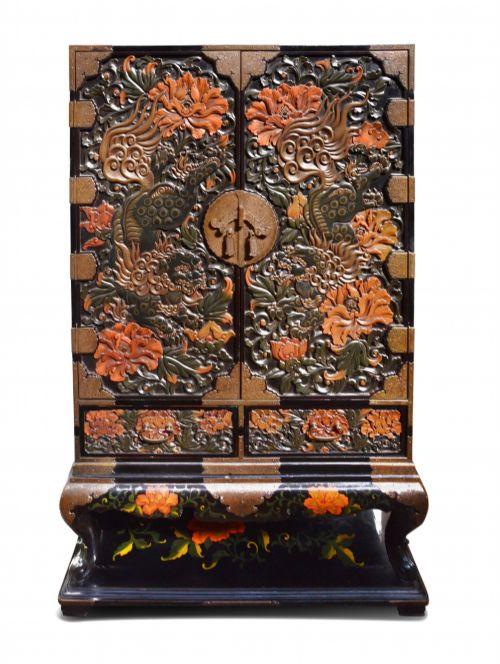
Mixed-metal inlays and carved lacquer elements occasionally accompany the metal structures. Polished finishes highlight the natural grain and weight of the underlying brass and bronze.
Antique Japanese Brass Retail Price Guide 2026
Typical asking prices for japanese brass among the pieces listed under this phrase on Sellingantiques today, from the lower quarter to the upper quarter. They describe what is for sale here now, not the wider market.
Several chargers on this page capture surprising moments of wildlife, including frogs leaping and shrimp poised mid-swim in metal and enamel.
Assessing quality in metalwork
Quality rests upon the precision of the enamel work and the crispness of the metal casting. Pieces featuring intricate wire cells, balanced compositions, and signed elements represent the upper tier of production.
The weight of the bronze or brass vessel and the depth of the patination indicate the level of care taken by the workshop. Simpler cast items with minimal surface detail occupy the domestic utility end of the range.
Blyth and Son
The Antique Japanese Brass Glossary
- Cloisonné
- Enamelling technique where thin metal wires form raised cells on a metal body to hold coloured paste before firing. This method defines many of the chargers and vases from the Meiji period.
- Champlevé
- Enamelling process where troughs or cells are hollowed directly into the metal surface rather than soldered on top. The cavities are then filled with enamel and polished flat.
- Jardiniere
- Large decorative pot or planter designed for holding plants or floral arrangements. Brass examples often feature embossed or chased botanical motifs.
- Charger
- Large ornamental plate intended for display on a wall or stand rather than for dining use. These items frequently display complex pictorial scenes featuring fauna or landscapes.
- Meiji Period
- Era of Japanese history lasting from 1868 to 1912 marked by increased trade with the West and a surge in decorative metalwork exports.
Antique Japanese Brass: Frequently Asked Questions
How are antique japanese brass lamps wired?
Many decorative vessels and bronze oil lamps are converted for modern electricity by running cords through existing openings without damaging the original metal body.
Buyers often work with a professional electrician to fit safe modern internal components while preserving the exterior patina.
Where were these metal items displayed?
Victorian and Edwardian interiors frequently incorporated these decorative pieces into drawing rooms and studies alongside other imported wares.
Chargers were hung on walls or placed on plate stands, while brass jardinieres housed indoor palms and ferns.
How do I clean antique brass and enamel?
Dusting with a soft, dry cloth is usually sufficient for maintaining the surface of cloisonné and polished brass without wearing down the protective patina.
Harsh chemical polishes should be avoided because they strip the aged finish and damage delicate enamel cells.
What is the difference between Edo and Meiji pieces?
Edo period items often reflect earlier isolationist aesthetic traditions, whereas Meiji pieces were frequently produced for export markets in Europe and America.
Both eras utilise skilled bronze and brass casting, but Meiji works frequently showcase more elaborate mixed-metal details.