


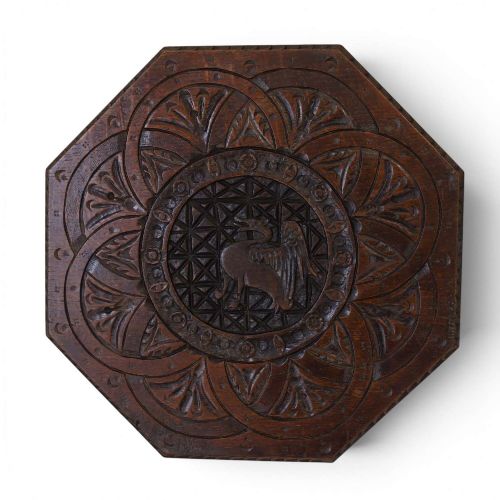


Antique Jacobean Wall Art
Antique jacobean wall art brings heavy timber and early portraiture into the home, offering centuries of historic character.
Antique Jacobean Wall Art
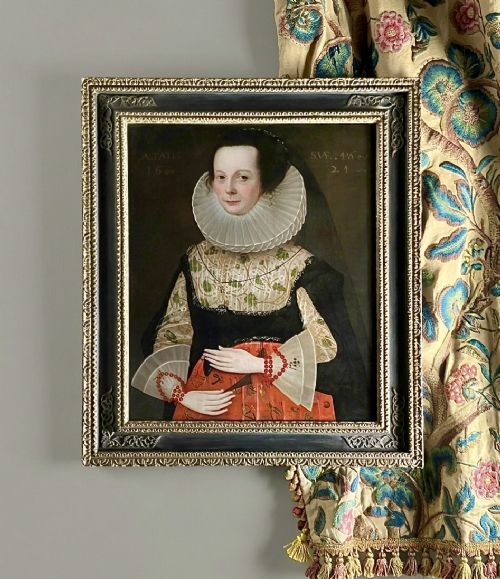
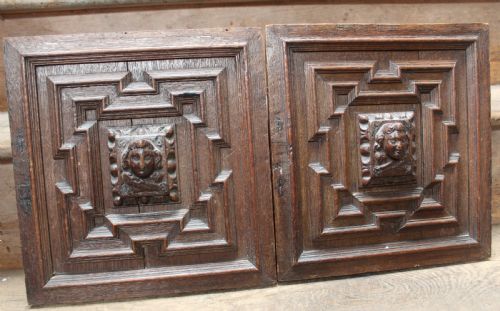
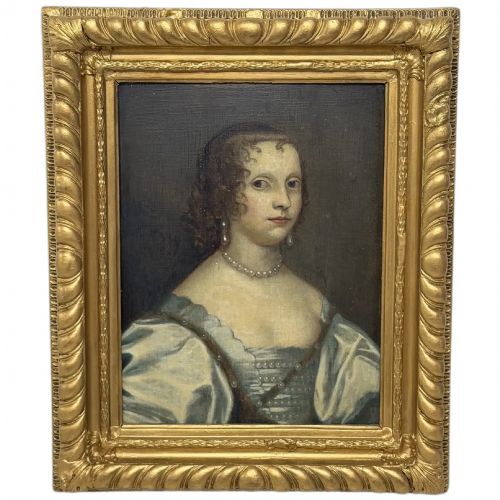
Antique jacobean wall art encompasses oil paintings on canvas and oak panel, intricately carved wooden architectural fragments, and embroidered textile hangings spanning from the seventeenth century through later revivals. When searching for antique jacobean wall art, collectors commonly encounter heavy oak mirrors, framed maps, and portraits depicting nobility alongside dark wood panels.
The objects originate primarily from seventeenth-century workshops, supplemented by nineteenth-century revivals and early twentieth-century interpretations. These pieces transform plain plaster surfaces into displays of early British craftsmanship.
Materials and construction
Makers utilised solid oak and gilded wood for structural panels, mirrors, and cupboards, carving dense designs directly into the timber. Oil paint was applied to canvas and oak panels to render detailed portraits of sitters wearing period attire.
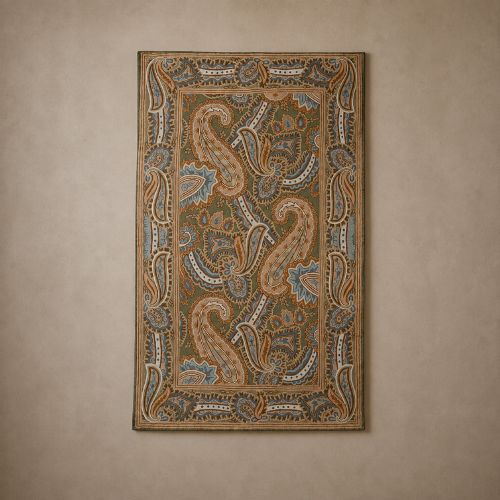
Textiles rely on wool and linen worked in crewelwork embroidery for wall hangings and decorative panels. Glass is integrated into framed wall mirrors and maps, completing the physical composition of these historic items.
Antique Jacobean Wall Art Retail Price Guide 2026
Typical asking prices for jacobean wall art among the pieces listed under this phrase on Sellingantiques today, from the lower quarter to the upper quarter. They describe what is for sale here now, not the wider market.
Listings feature oak, oil paint, glass, wool, and linen across seventeenth-century, Victorian, and Arts and Crafts styles.
Judging quality and execution
Textiles display technical skill through dense stitching and the preservation of original fibres in crewelwork embroidery. Retaining original mounting and framing elevates the standing of oil paintings and maps.
John Speed·Edward Pearce·Abraham Van Blyenberch
The Antique Jacobean Wall Art Glossary
- Crewelwork
- Embroidery executed with wool yarn on a plain-weave linen or cotton ground. This technique creates textured surface patterns seen in historic wall hangings.
- Panel painting
- A painting executed on a flat piece of wood rather than canvas. Oak was the standard support in early British workshops.
- Cartography
- The science and art of making maps. Early examples feature hand-coloured copperplate engravings framed for display.
- Gilded wood
- Timber treated with a thin layer of gold leaf or gold paint. This finish enhances decorative carved frames and architectural elements.
Antique Jacobean Wall Art: Frequently Asked Questions
How do I hang heavy oak panels safely?
Heavy carved oak panels and mirrors require robust wall fixings anchored directly into structural studs or masonry to support their substantial weight.
Using professional mirror plates or heavy-duty z-bars ensures the piece remains secure against the wall surface without straining the historic timber frame.
Are these portraits original seventeenth-century works?
The listings include period works executed in the seventeenth century alongside Victorian revivals and later historical interpretations.
Examining the canvas or oak panel backing, pigment types, and stylistic conventions helps determine the exact period of production.
How should I clean crewelwork wall hangings?
Textile wall hangings require gentle surface dusting with a soft brush rather than immersion washing to protect fragile wool and linen fibres.
Keeping embroidered panels away from direct sunlight prevents the wool yarns from fading and losing their original colour.
What defines the Jacobean aesthetic?
The Jacobean style, spanning the reign of James I, is characterised by dark oak furniture, strapwork carving, and formal portraiture.
Later nineteenth-century revivals adopted these heavy geometric motifs and dark wood finishes to recreate seventeenth-century interiors.