
Antique Italian Statue
An antique italian statue brings classical mythology and Renaissance grandeur directly into a room through centuries of marble, bronze, and carved wood.
Antique Italian Statue
When searching for an antique italian statue, buyers encounter everything from grand nineteenth-century Grand Tour bronzes to eighteenth-century carved wood ecclesiastical figures and neoclassical marble busts.
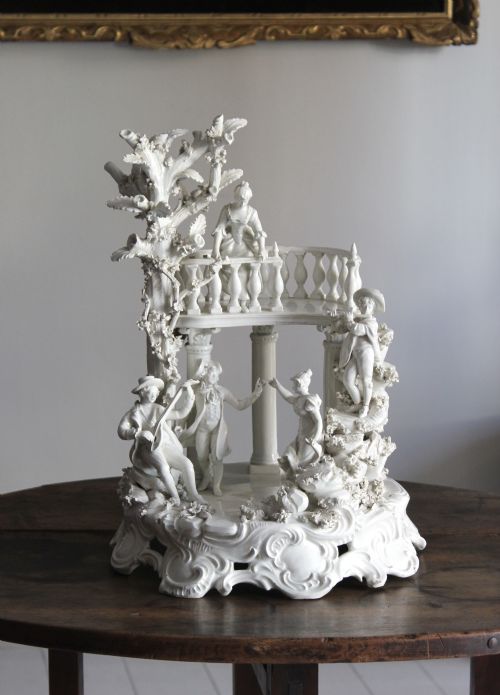
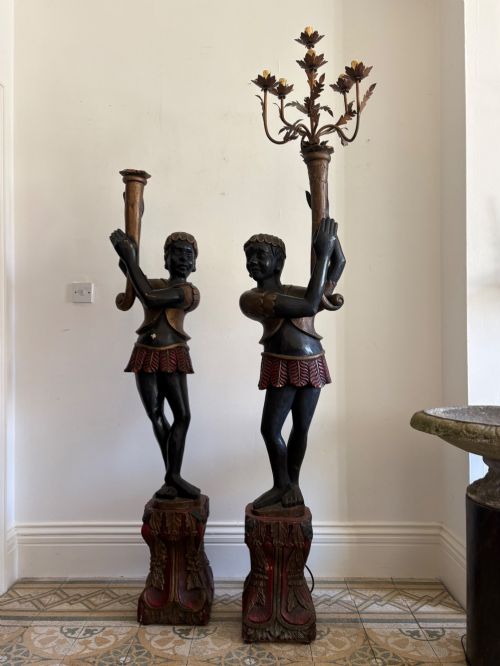
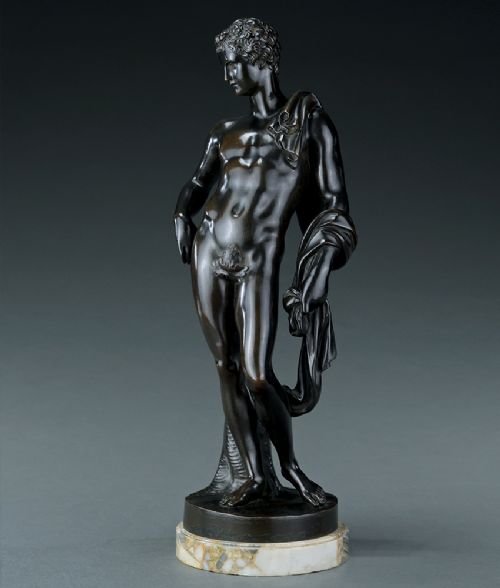
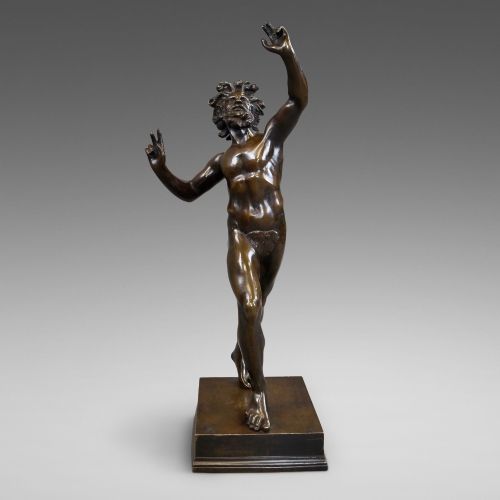
The selections span library-sized reductions of classical antiquities, such as the Belvedere Antinous or the Medici lions, alongside life-sized Venetian floor lamps and terracotta figures.
Nineteenth-century output dominates the available forms, reflecting European travel culture and studio traditions in Florence, Rome, and Naples.
Materials and technique
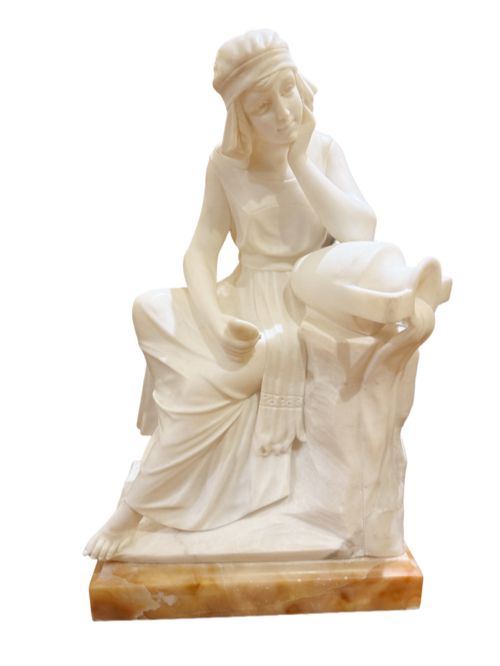
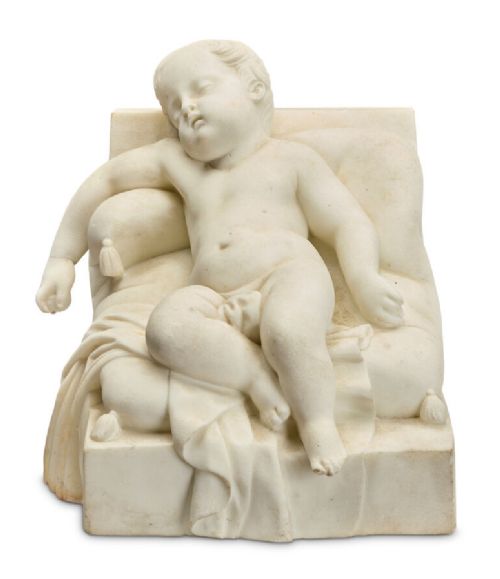
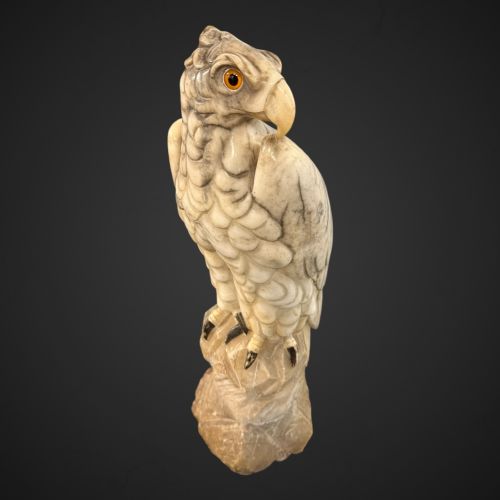
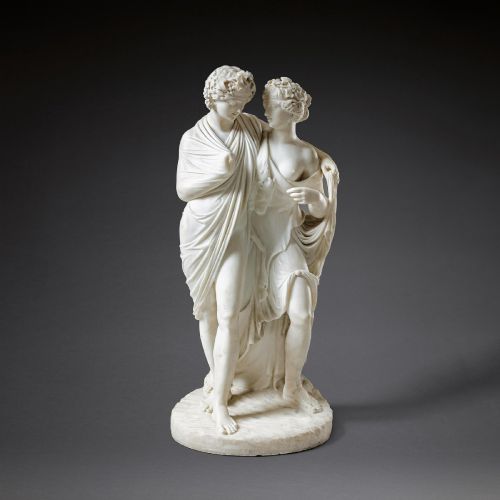
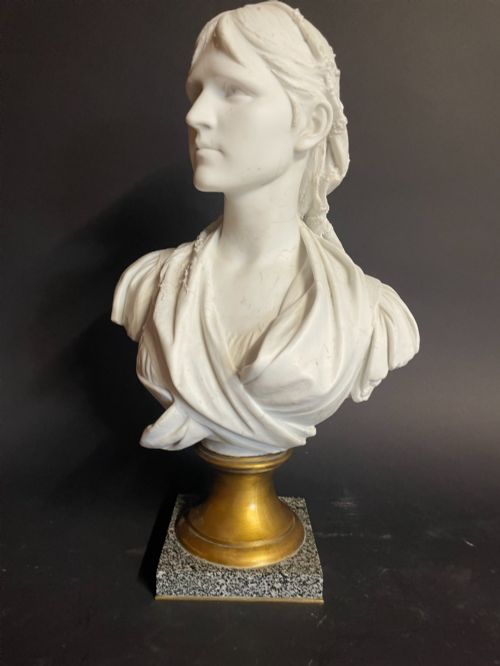
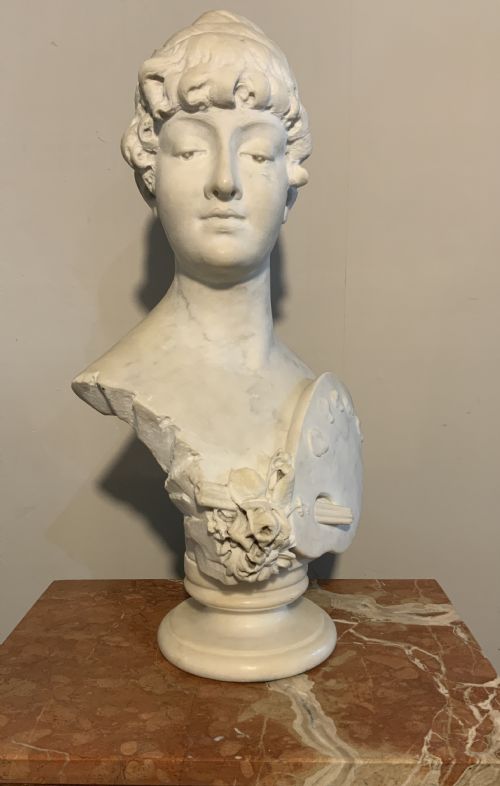
Carved marble and alabaster statues rely on patient chisel work, often mounted on contrasting green or white marble socles and plinths.
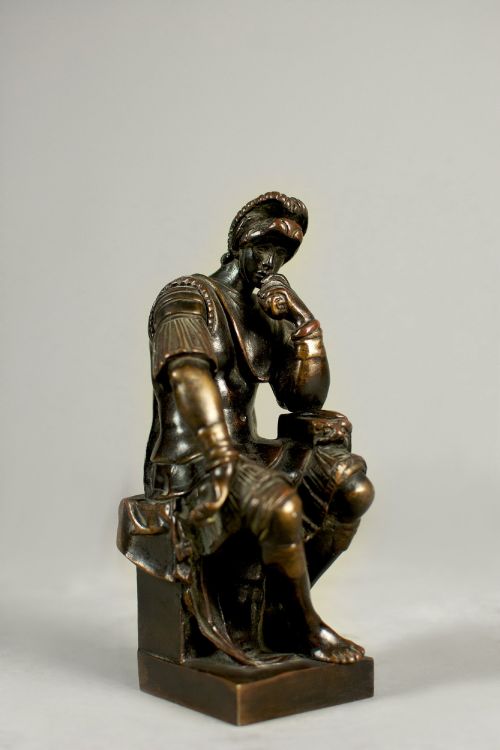
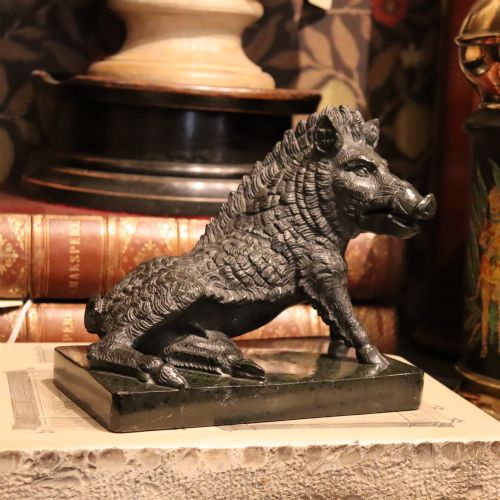
Bronzes utilise lost-wax casting methods to capture intricate muscle definition, robes, and patinations ranging from dark brown to green.
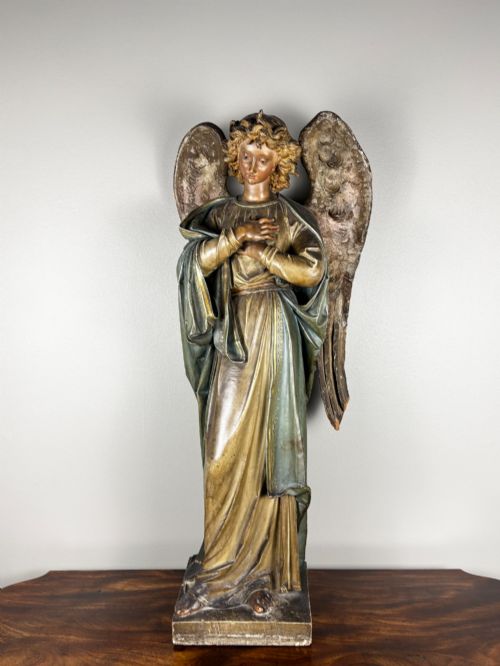
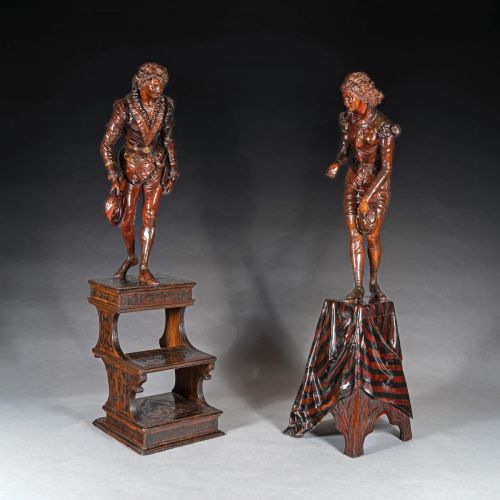
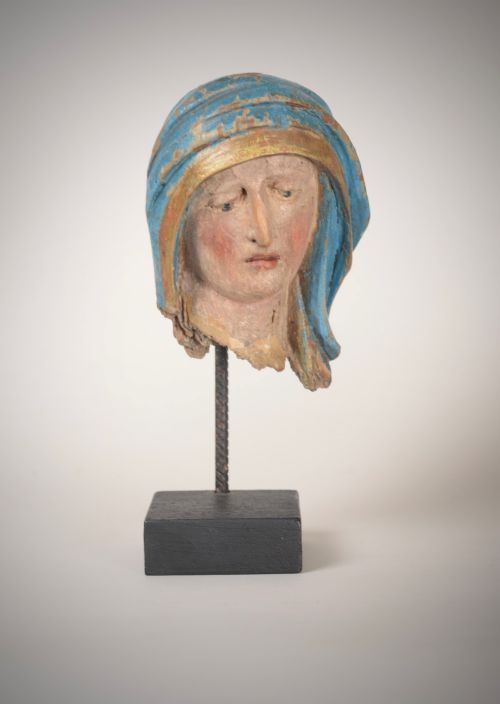
Carved wood pieces incorporate gesso, polychrome paint, and gold leaf, particularly visible in religious figures and Venetian decorative works.
Listings feature Carrara marble, alabaster, bronze, and carved wood spanning the eighteenth and nineteenth centuries.
Craftsmanship and execution
Execution separates standard foundry output from master carvers, visible in the depth of undercut drapery and the anatomical precision of hands and faces.
Signatures by recorded sculptors, studio marks, and foundry stamps elevate individual pieces above anonymous tourist souvenirs of the period.
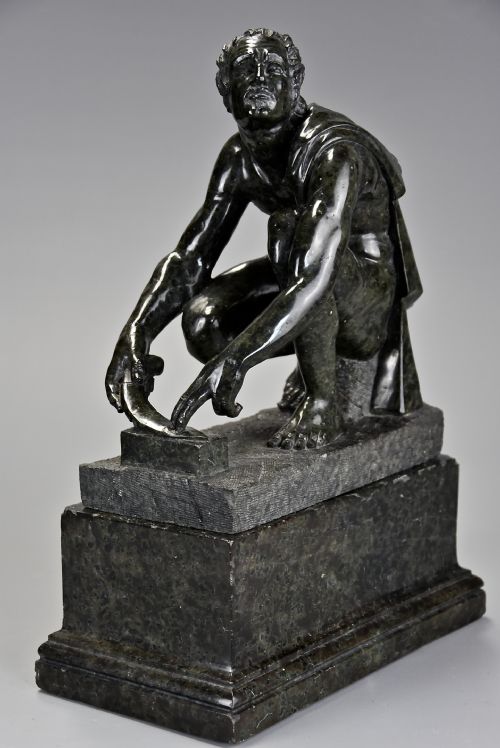
The choice and integrity of the underlying material, whether flawless statuary marble or richly veined serpentine, determine the visual impact.
Carlo Albacini·Barranti·Antonio Canova·G. Amodio·Raffaelo Monti·Luigi Secchi
The Antique Italian Statue Glossary
- Grand Tour
- A nineteenth-century travel tradition where wealthy travellers collected bronze reductions of classical antiquities and Renaissance masterpieces. These souvenirs brought Italian sculpture into British and European homes.
- Patination
- The surface coloration and ageing applied to or developed on bronze, wood, and marble. Skilled patination enhances the perceived depth and three-dimensional form of a sculpture.
- Socle
- A short plinth or pedestal supporting a bust or small statue. They frequently utilise contrasting coloured stones like prato verde.
- Carrara marble
- A type of white or blue-grey marble quarried in the city of Carrara in Tuscany. It remains prized for its fine grain and traditional use in classical statuary.
Antique Italian Statue: Frequently Asked Questions
What is a Grand Tour bronze?
Grand Tour bronzes are nineteenth-century souvenir sculptures created in Italy for travellers touring classical and Renaissance sites.
Foundries in cities like Naples and Rome cast these reductions of famous works for display in British libraries and drawing rooms.
How do I care for marble statues?
Marble statues require gentle dusting with a soft, dry cloth to prevent abrasive particles from scratching the polished stone surface.
Avoid using water, chemical cleaners, or household polishes, which can seep into porous marble or degrade historic finishes.
What is a prato verde socle?
Prato verde refers to a distinctive green marble used for the base or pedestal supporting nineteenth-century marble busts and figures.
This stone provides a dark, contrasting foundation that highlights the bright white statuary marble of the main sculpture.
Are these statues solid bronze?
Many nineteenth-century bronze sculptures are hollow-cast using the traditional lost-wax method to save weight and metal.
Foundry marks and weight distribution help identify the construction methods used by individual Italian workshops.