


Antique Italian Pharmacy Ceramic
These antique italian pharmacy ceramic pieces are tin-glazed vessels designed to hold old medicinal ingredients, bringing centuries of apothecary history into a modern home.
Antique Italian Pharmacy Ceramic
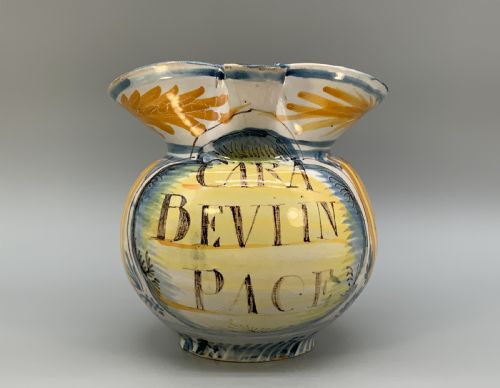
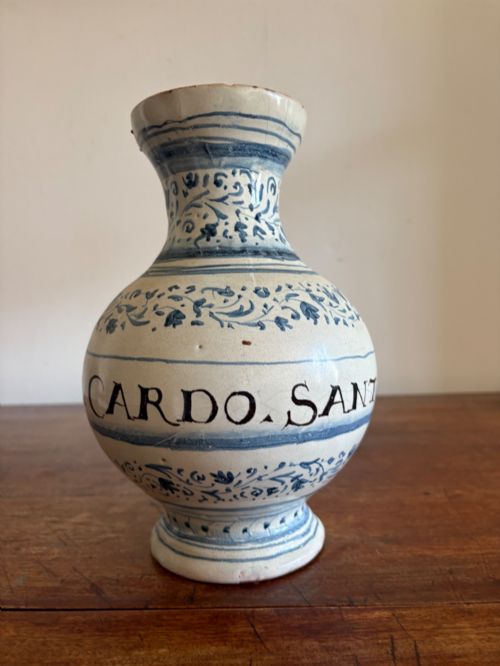
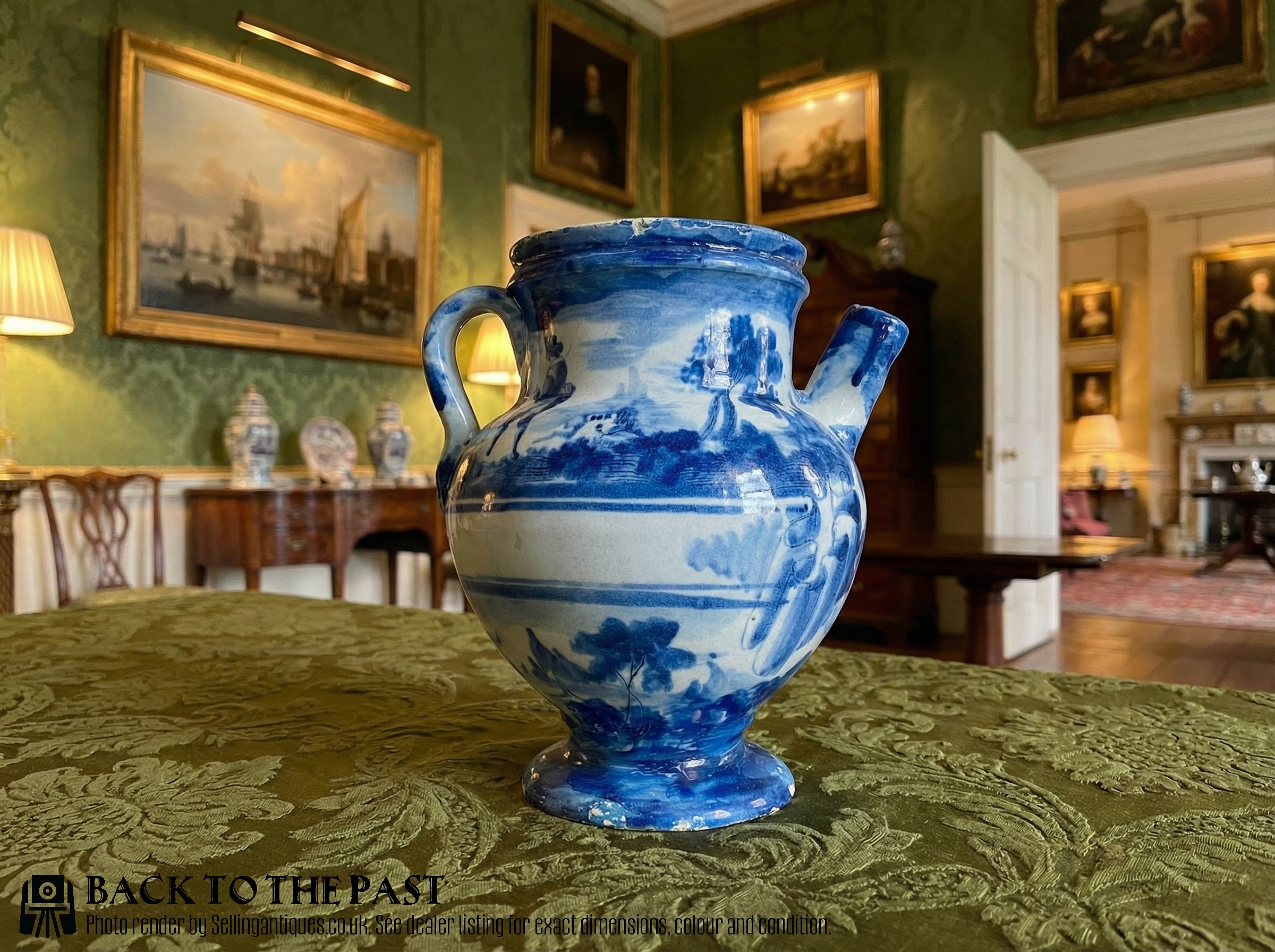
When you search for antique italian pharmacy ceramic, you enter a world of apothecary jars, wet drug jugs, and water vessels created for storage in historical dispensaries. These objects span from the seventeenth century through the nineteenth century and into nineteen hundred.
The most common forms on this page are the cylindrical albarello and the handled pharmacy jug. Pieces often feature painted inscriptions naming specific remedies or ingredients used by historical chemists.
Originating across different Italian regions, these items reflect both traditional local workshops and broader stylistic movements like the Italian Renaissance and Baroque.
Materials and production methods
Makers shaped earthenware bodies by hand or on the wheel before applying a tin-glaze coating to create a smooth, opaque white surface for painting. This tin-glazed earthenware provided an impermeable barrier suitable for storing volatile pharmaceutical substances.
Decorations rely on mineral pigments, resulting in polychrome designs featuring manganese and yellow, alongside traditional blue and white painting styles. Potters fired these glazed vessels to fix the colours into the surface, creating a durable finish.
Regional styles include Savona, Naples, and Nove pottery traditions.
Factors that define quality
The refinement of the painted decoration distinguishes simpler utility wares from finer examples. Artisans working in major centres like Savona or Naples produced sharper brushwork and more complex palette blending.
Preservation of the original glaze and the clarity of painted inscriptions greatly affect the visual impact of each vessel. Intact lids and covers on wet drug jugs add considerable integrity to surviving pieces.
The Antique Italian Pharmacy Ceramic Glossary
- Albarello
- A cylindrical earthenware jar used by apothecaries to store ointments and dry drugs. This shape derives from Middle Eastern drug containers brought to Europe through trade.
- Majolica
- Tin-glazed Italian earthenware decorated with colourful pigments on an opaque white ground. Potters utilised this technique extensively for Renaissance and Baroque display vessels.
- Faience
- European tin-glazed pottery produced in imitation of imported Chinese porcelain and Italian wares. The term appears frequently in descriptions of continental earthenware.
- Wet drug jug
- A specialised apothecary vessel featuring a spout and handle for holding liquid medicines and syrups. These jugs often display abbreviated Latin inscriptions denoting the contents.
Antique Italian Pharmacy Ceramic: Frequently Asked Questions
What did apothecary jars hold?
These jars held dried herbs, ointments, electtuaries, and chemical compounds used by historical apothecaries.
The containers kept perishable medical ingredients sealed and organised on dispensary shelves.
How do I date an Italian pharmacy jar?
Dating relies on stylistic shifts in painting, tin-glaze consistency, and shape variations from the seventeenth to nineteenth centuries.
Blue and white pieces often point to specific regional periods, while polychrome palettes evolved across different decades.
Are these jars waterproof?
The tin-glaze layer makes the earthenware body impervious to liquids, which is why wet drug jugs were suitable for holding syrups.
However, hairline fractures from age mean historical vessels are best used for display rather than active storage.
What do the inscriptions mean?
Inscriptions are usually abbreviated Latin names of historical medicinal preparations, such as specific waters or herbal extracts.
These painted labels allowed the apothecary to identify the contents quickly during compounding.