

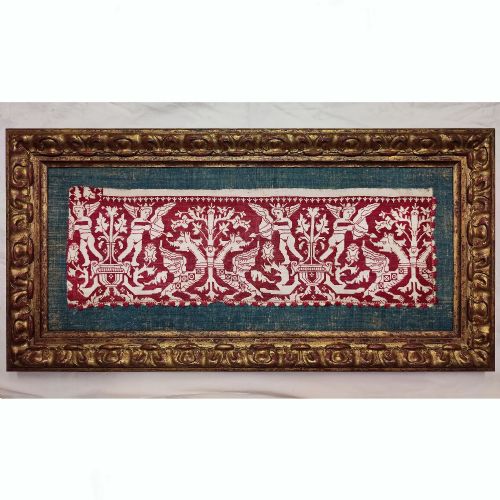


Antique Italian Panel
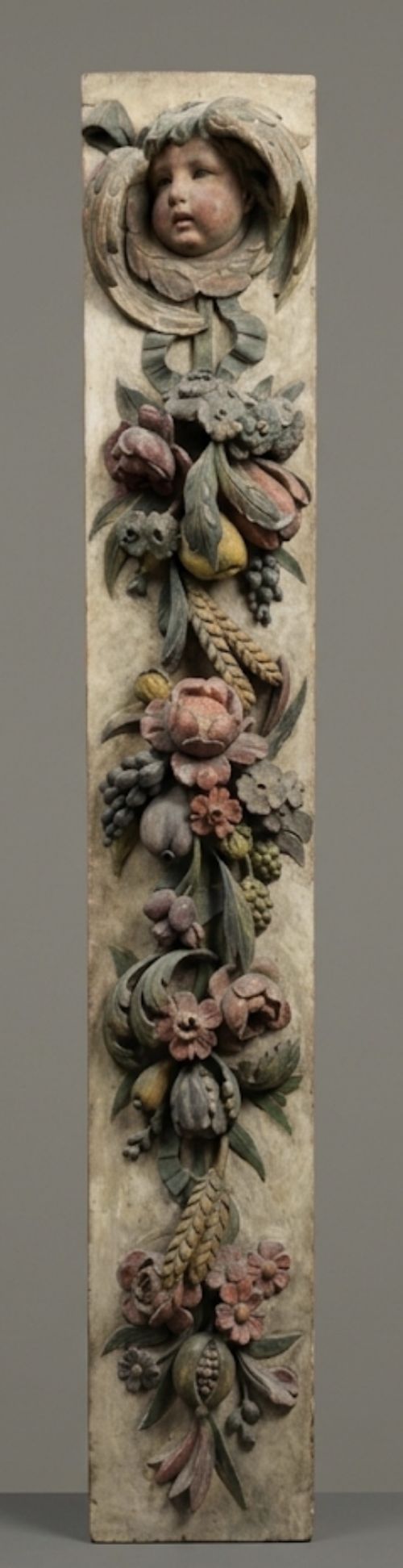
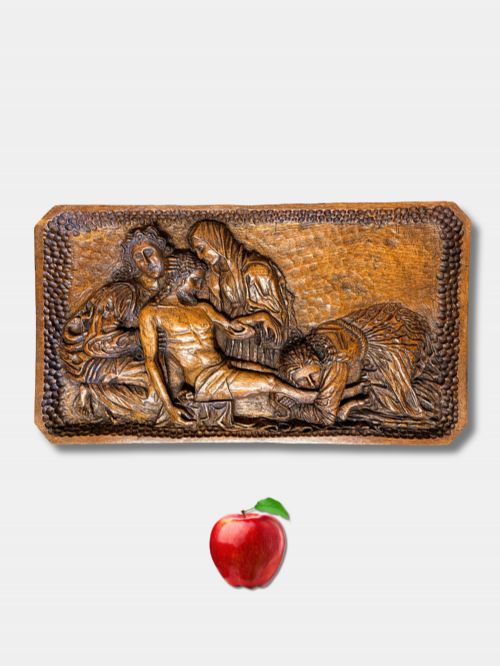
An antique italian panel brings centuries of craftsmanship into a room, offering carved wood, oil paint, and stone mosaic work from historic workshops.
Antique Italian Panel
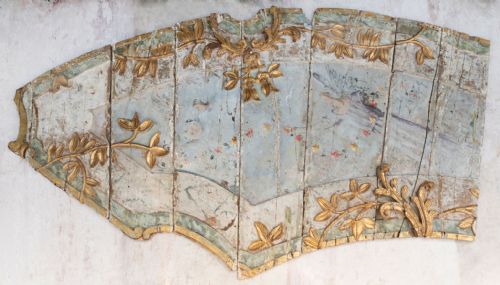
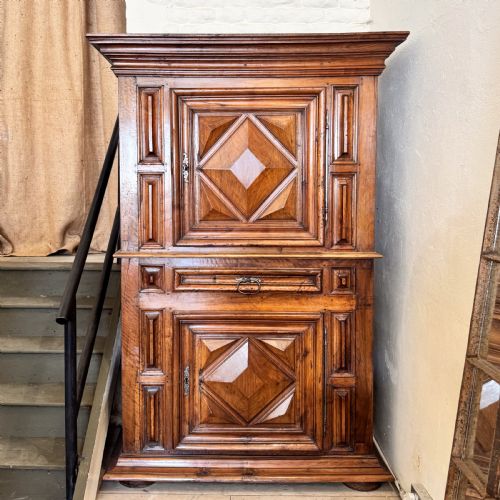
An antique italian panel encompasses carved wooden elements, oil paintings on wood or board, and inlaid stone pictures originating from centuries of regional craftsmanship. Buyers seek these objects for their rich textures, historical depth, and traditional decorative qualities.
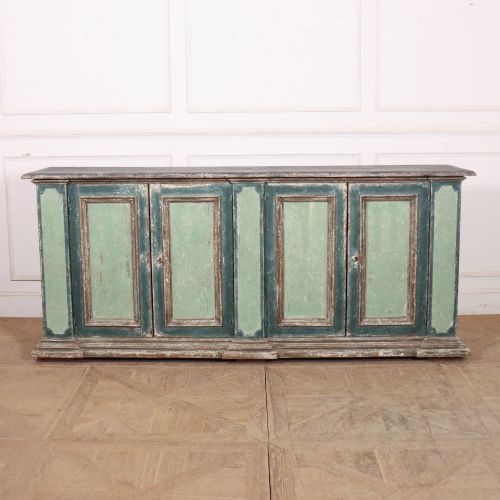
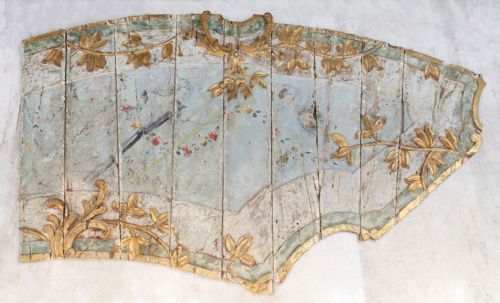
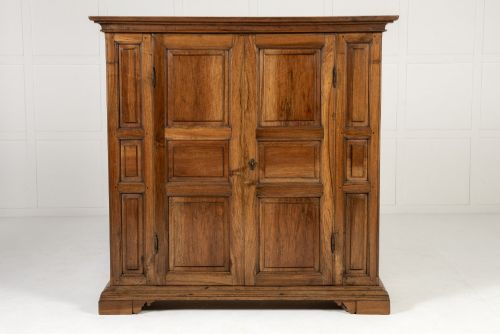
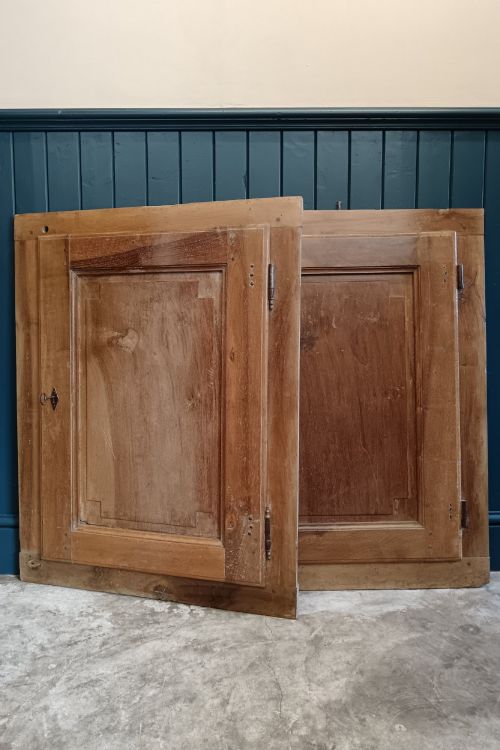
The selections available here span from the seventeenth century through to the early twentieth century, taking forms such as architectural fragments, cabinet doors, and framed pictures. Walnut and painted wood dominate the pieces, reflecting traditional materials used across various Italian regions.
Provincial pieces sit alongside works influenced by the Renaissance Revival and Italian Baroque styles. This variety allows collectors to find items ranging from simple carved chestnut fragments to intricate pietre dure marble pictures.
Distinctions in quality and execution
Material selection dictates the character of stone and wood items, with dense walnut and finely matched pietre dure marbles commanding greater visual authority. The integrity of the original surface finish, whether unblemished oil paint or aged gesso, heavily influences the overall artistic merit.
Several artists spent years expertly forging medieval book covers just to see if the experts would notice.
Michelangelo Meucci·Icilio Federico Joni·Del Buono·C. Ravier·Francesco Gioli·Pierre Georges Dieterle
The Antique Italian Panel Glossary
- Pietra dura
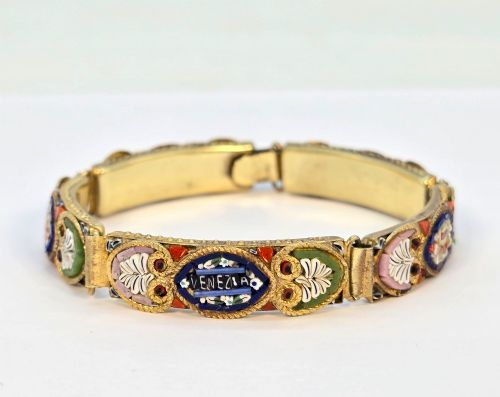
- A method of inlaying cut and fitted polished coloured stones to create pictorial designs. It appears frequently in marble pictures and small decorative plaques.
- Polychrome
- The practice of decorating architectural elements or sculptures in several colours. This finish adds vibrant visual depth to carved wooden panels.
- Gesso
- A plaster mixture applied to wood surfaces as a base for paint or gilding. It provides a smooth ground for detailed artistic work.
- Ciselé velvet
- A velvet fabric where the pattern is created by cutting some pile loops while leaving others uncut. It creates a textured, contrasting surface on historic wall hangings.
- Intaglio
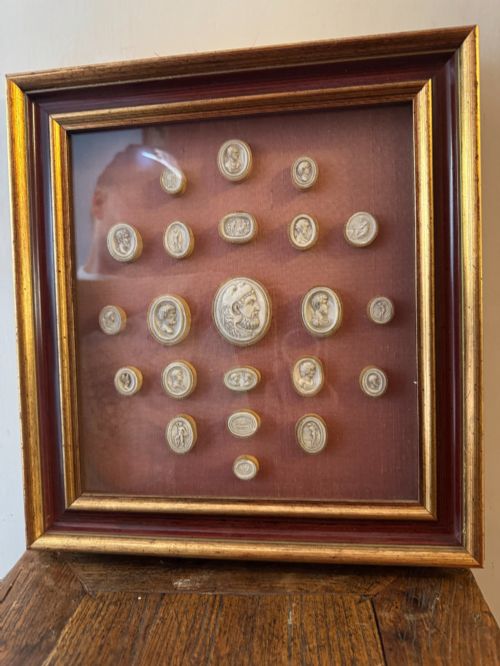
- A design carved into the material so that the impression lies below the surface. Gypsum versions often appear in framed Grand Tour collections.
Antique Italian Panel: Frequently Asked Questions
How do I identify the age of a carved wooden panel?
Examine the tool marks left on the reverse and edges of the wood, as hand-chiselled surfaces differ significantly from machine-cut timber. Tool technology and wood shrinkage patterns offer reliable indicators of the period.
Consider the style of the carving and the composition itself. Renaissance Revival and Baroque motifs reflect specific historical periods of design and execution.
Where were these decorative panels originally displayed?
Many architectural panels and carved doors originated within grand palazzos, churches, and noble residences across Italy. They often formed permanent parts of interior wall panelling or large pieces of furniture.
Smaller painted boards and mosaic plaques were frequently acquired by travellers on the Grand Tour as portable souvenirs of Italian culture.
How should I care for an antique painted wood panel?
Keep wooden items away from direct heat sources and dramatic humidity fluctuations to prevent warping or cracking of the panel substrate. Stable environmental conditions preserve both the timber and the fragile paint layers.
Dust the surface gently with a soft, dry cloth and avoid chemical cleaning solutions. Professional conservation advice should be sought for any structural repairs.
What is the difference between a panel painting and canvas?
Panel paintings utilise solid wood or board as a rigid support rather than flexible woven fabric. This foundation provides a completely stable surface that prevents the cracking associated with aged canvas.
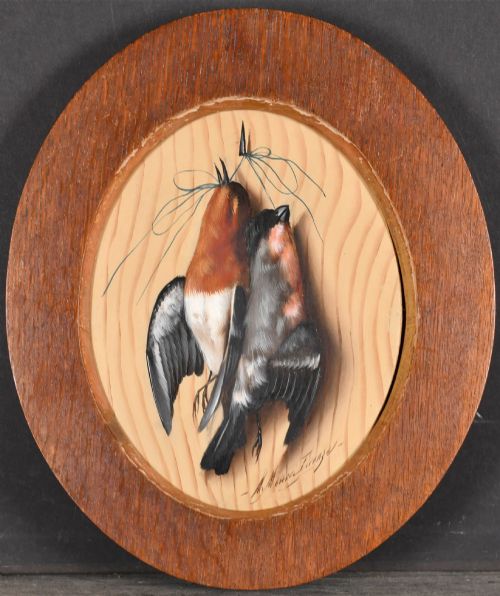
Artists often selected wood panels for smaller, highly detailed works such as still lifes or devotional scenes because the smooth ground allowed for precise brushwork.