






Antique Italian Figurines
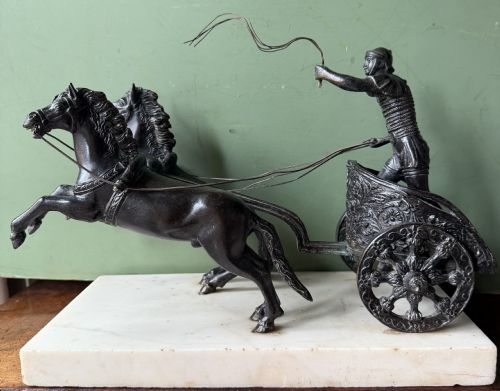
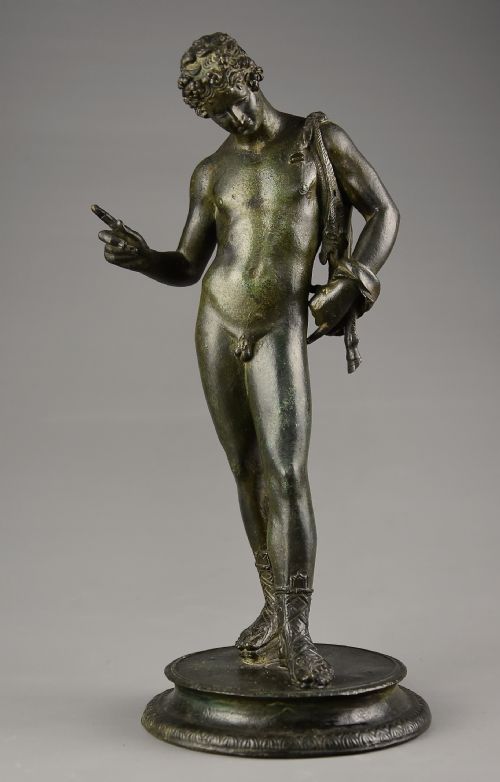
Antique italian figurines span classical marble deities and bronze souvenirs brought home by travellers.
Antique Italian Figurines
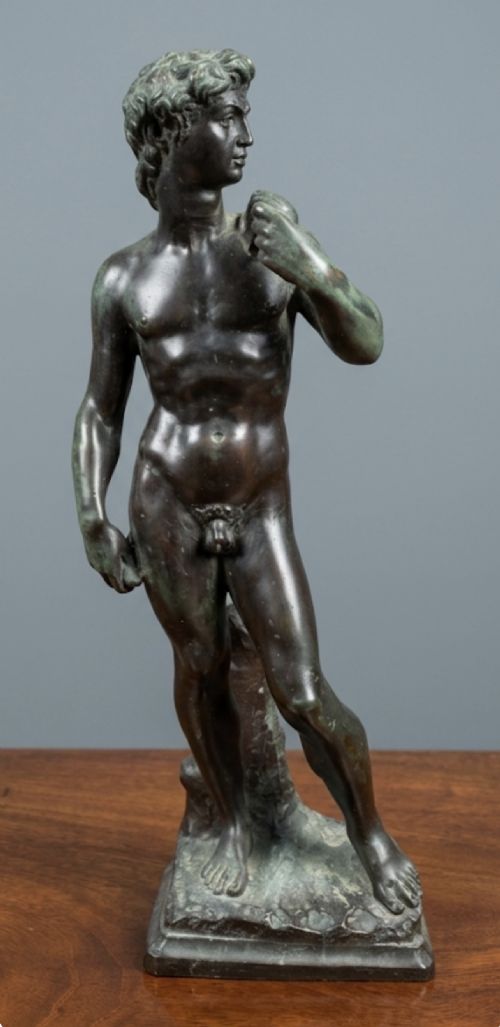
When you search for antique italian figurines, you encounter classical subjects, mythological heroes and religious figures cast in metal or carved from stone. These pieces range from grand tour souvenirs collected by travellers in the nineteenth century to ecclesiastical wooden carvings and terracotta figures.
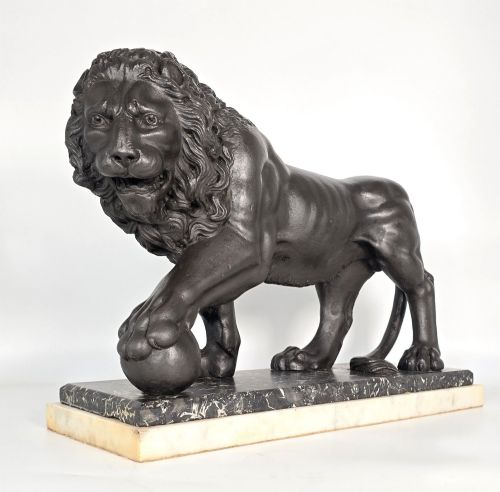
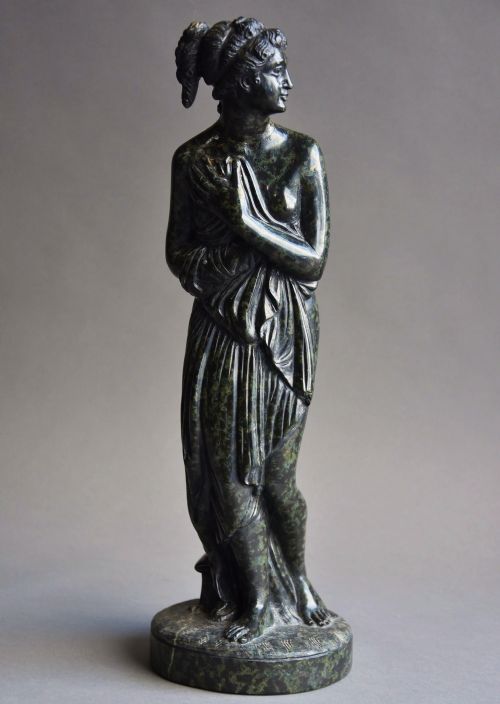
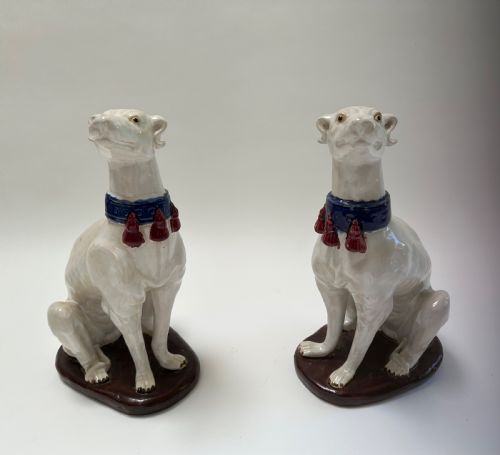
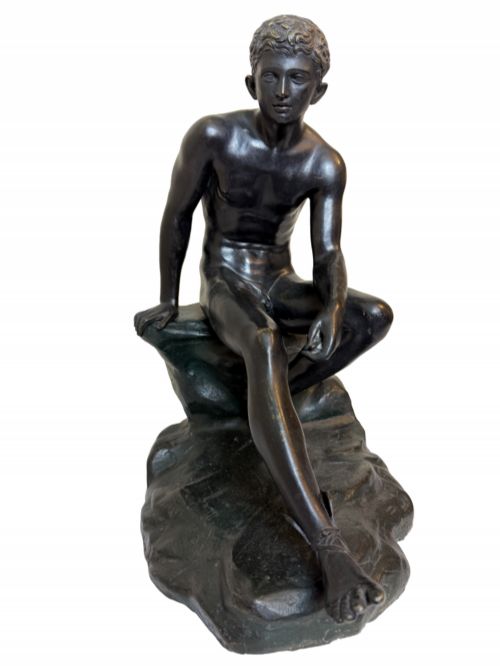
The most common versions on this page are nineteenth-century grand tour bronzes after ancient models, alongside white marble and serpentine sculptures. You also find terracotta cockerels, majolica pottery figures and carved alabaster dancers dating into the early twentieth century.
Originating primarily from Italian workshops and studios, these works draw directly on classical antiquity, Renaissance masterpieces and folk traditions. Collectors acquire them for their historical resonance, sculptural presence and connection to European travel history.
Materials and construction
Foundries cast bronzes using traditional methods, often applying dark green, brown or silvered patination to the metal surface. These metal figures are frequently mounted upon heavy marble or stone plinths.
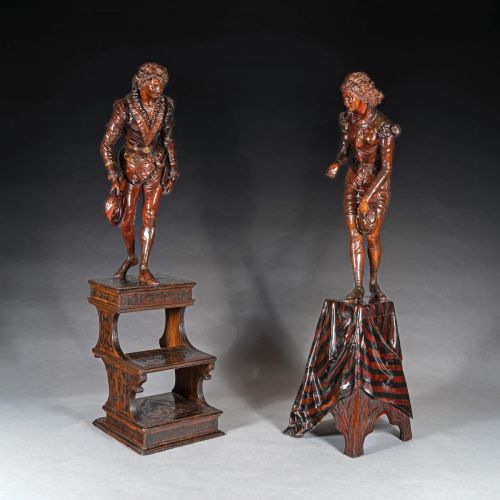
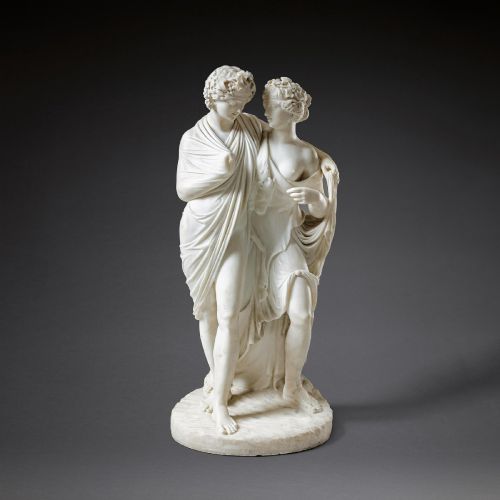
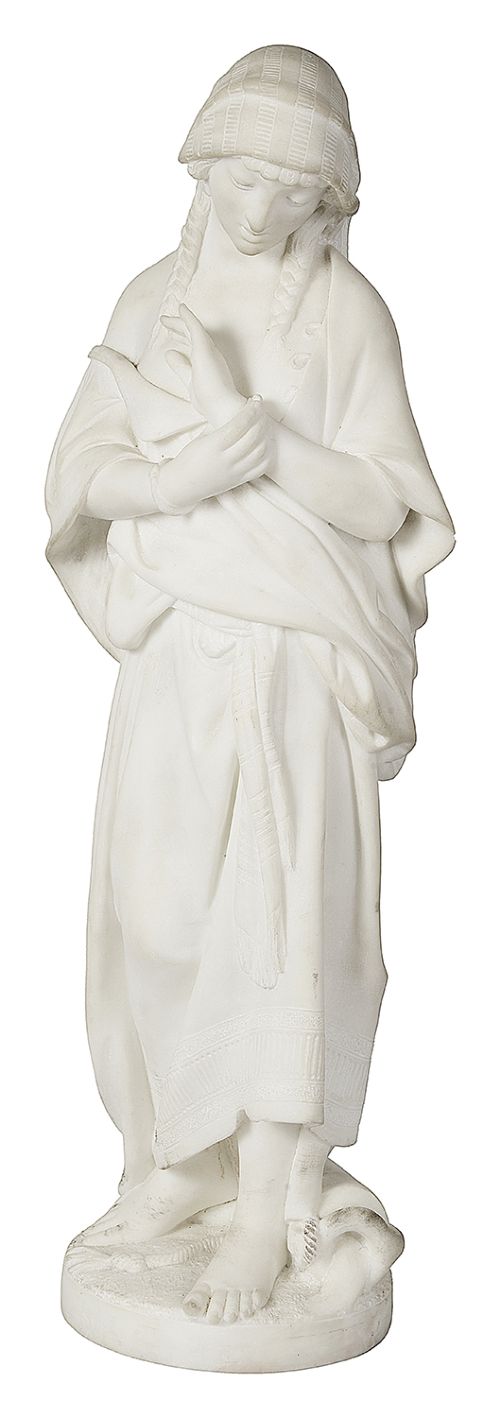
Sculptors carved figures from white marble, Carrara marble, alabaster and serpentine, capturing intricate drapery and anatomical detail by hand. Terracotta, majolica pottery and carved woods such as olive wood represent the modelled and polychrome sculptural traditions.
Several Italian sculptors immortalised mischievous putti and cheerful boys eating grapes, bringing lighthearted domestic charm to neoclassical severity.
Distinctions in craftsmanship
The selection of materials creates a clear hierarchy, where finely figured marble, dense alabaster and heavy patinated bronze elevate an object. Signatures from recorded sculptors and founders add documentary weight that distinguishes exceptional works from unmarked pieces.
Carlo Albacini·Barranti Florence·Antonio Canova·Luigi Secchi·Zoffoli·Messina Roma·Antonio Frilli·Pugi·Giuseppe Renda·Vannetti·Achille Mollica
The Antique Italian Figurines Glossary
- Grand Tour
- A cultural journey through Europe undertaken by young upper-class men in the eighteenth and nineteenth centuries. Souvenirs purchased along the way included miniature bronzes and carved stone statues.
- Patination
- The surface coloration and ageing applied to bronze sculpture through chemical processes or natural oxidation. Dark green, brown and silvered finishes appear frequently on these metal works.
- Serpentine
- A compact green or mottled mineral stone used by Italian sculptors for bases and small figures. It provides a distinctive dark greenish hue with clouded veining.
- Terracotta
- Fired unglazed clay moulded into sculptural forms and figures. It allows for expressive modelling before the clay hardens in the kiln.
- Majolica
- Tin-glazed Italian earthenware decorated with coloured pigments. Figures in this medium display vibrant polychrome glazes.
Antique Italian Figurines: Frequently Asked Questions
What are grand tour sculptures?
Grand tour sculptures are miniature bronzes and stone carvings created in Italy as souvenirs for travellers during the eighteenth and nineteenth centuries. They typically replicate famous classical antiquities and Renaissance monuments.
These objects allowed visitors to bring home physical representations of the art they studied abroad. Founders in Rome, Florence and Naples produced them in various sizes to suit travellers' luggage.
How do I identify marble types?
White marble and Carrara marble present a bright, crystalline appearance favoured for classical figures and portrait busts. Serpentine stone offers a distinct dark green mottled surface often used for antique pedestals and animal carvings.
Alabaster provides a softer, translucent quality frequently utilised for dancers and female forms. Examining the weight and the stone grain helps separate these materials.
Where should I display these figures?
These sculptures suit tabletops, bookshelves and dedicated display cabinets where their materials can be appreciated up close. Bronze and marble pieces require stable surfaces capable of supporting their considerable weight.
Keeping them away from direct heat sources and strong sunlight protects patinas and delicate stone surfaces. Pairing them with complementary historic objects enhances their visual impact.
Are these figures signed by artists?
Certain bronzes and marble carvings bear signatures, foundry stamps or attribution marks scratched into the base or inscribed on the reverse. Names of sculptors or casting houses indicate official studio production rather than anonymous tourist wares.
Unsigned pieces remain common, reflecting the large output of Italian workshops producing souvenir art. Documentation or signatures often help connect a piece to a known maker or period.