


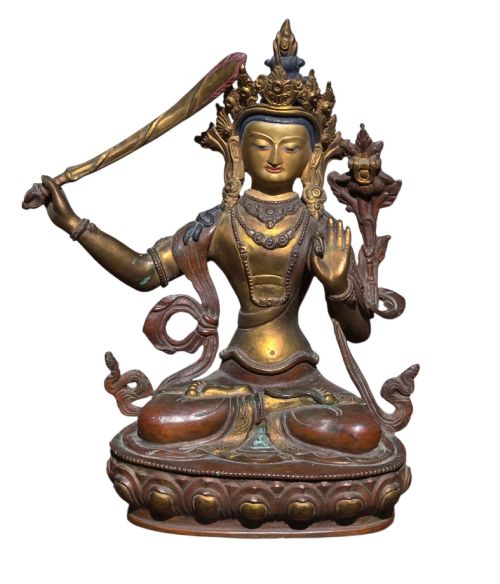
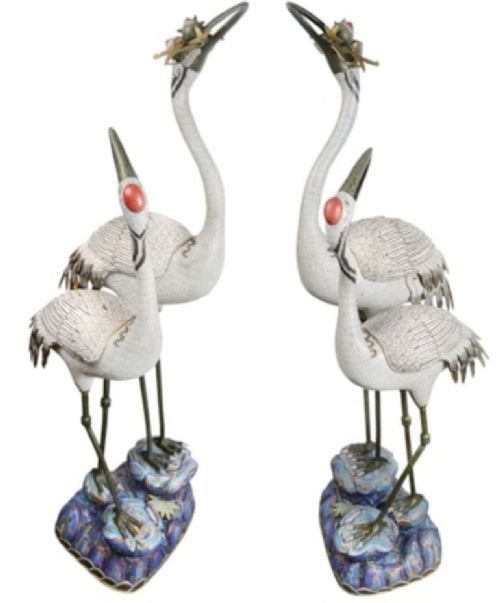
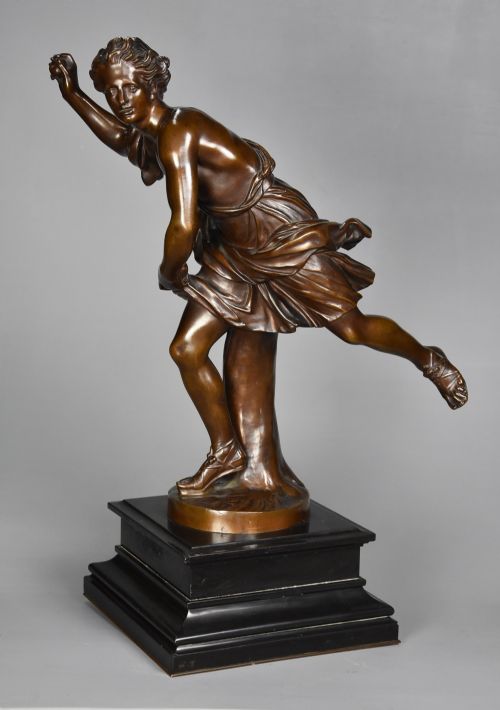

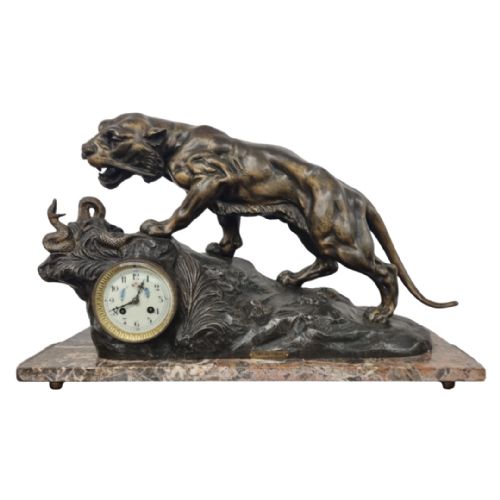
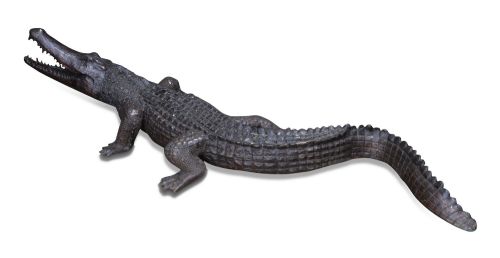
Large Bronze Sculptures
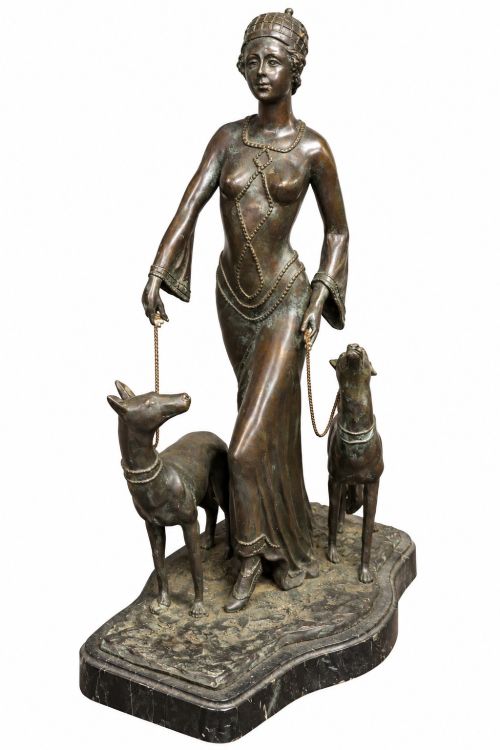
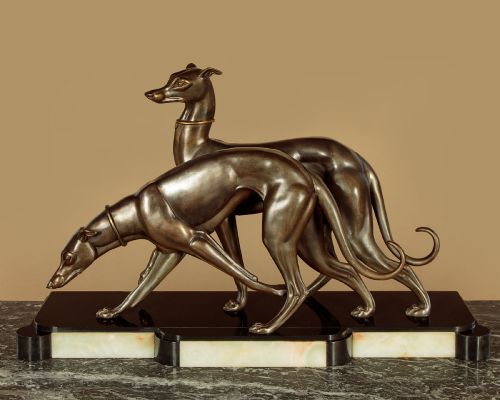
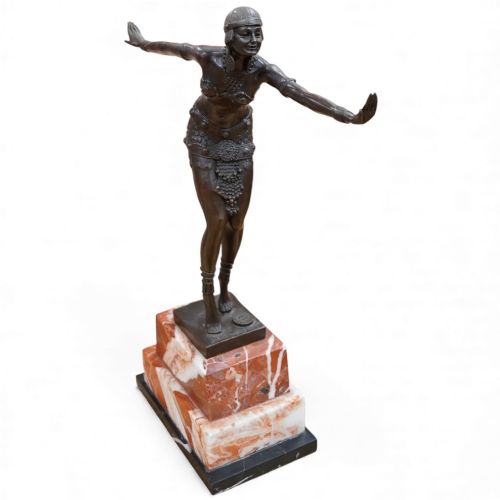
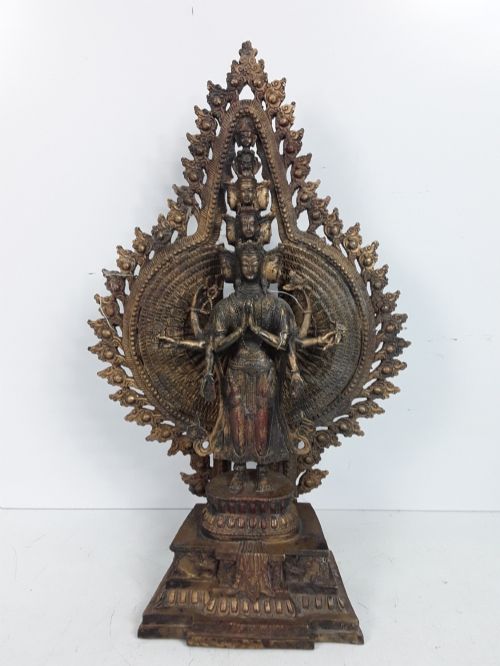
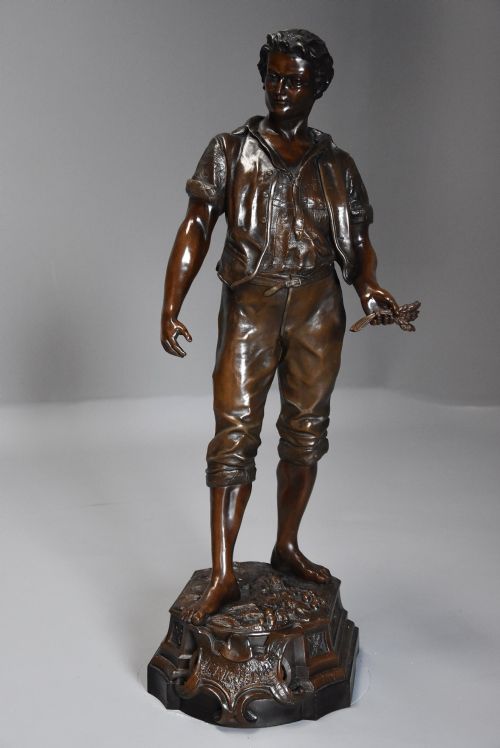
Large antique bronze sculptures bring weight, history and presence to a room, ranging from classical figures to Japanese animalier studies cast across the nineteenth and twentieth centuries.
Large Bronze Sculptures
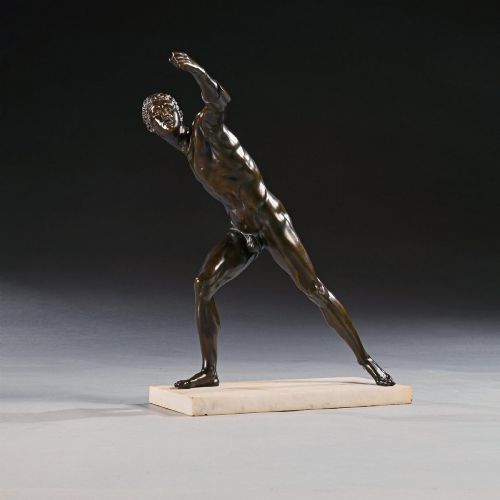
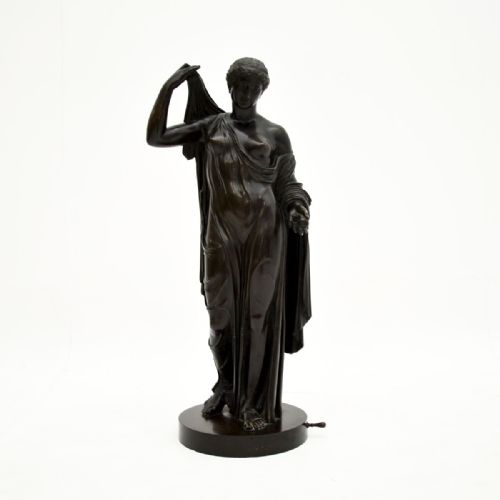
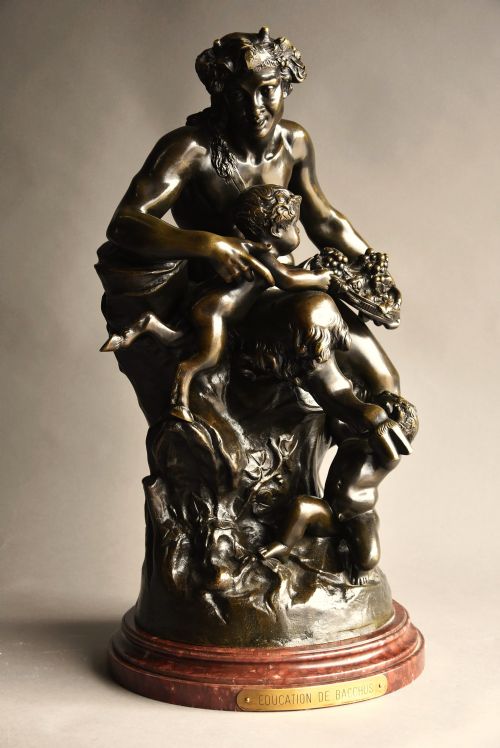
Large antique bronze sculptures encompass substantial cast figures, animal groups, clock cases, and torcheres originating from European founders, Japanese workshops, and Asian traditions. Buyers searching for large antique bronze sculptures encounter nineteenth-century French mythological subjects, Grand Tour souvenirs, Meiji period okimono, and twentieth-century equestrian works.
These pieces function as commanding focal points for interior spaces, often standing considerable heights above standard furniture. Many draw directly from classical antiquity, Renaissance models, or Eastern craftsmanship, cast to hold physical authority in domestic halls and libraries.
How they were made
Foundries utilised the lost-wax casting method or sand casting to achieve intricate detail in molten metal, followed by hand chasing with chisels and files. Surfaces received chemical patination treatments to produce dark browns, greens, or gilt finishes.
Alternative materials appear alongside copper alloy and bronze, including marble bases, brass fittings, glass elements, and patinated spelter used for secondary figures or decorative components.
The selection includes pieces spanning the eighteenth to the twentieth centuries, utilising bronze, marble, spelter, and gilt-bronze across neoclassical and Asian styles.
What varies in quality
The reputation of the founder or modeller influences desirability, with documented signatures from established European studios and named Japanese makers carrying distinct weight in execution and material purity.
Ferdinand Barbedienne·Jomi Eisuke·E Villanis·Pierre Jules Meme·Masaaki·Edouard Drouot·Franz Bergman·Emile Louis Picault·Kaniya Kuniharu·Seiunsai Miyamoto Sei
The Large Bronze Sculptures Glossary
- Patina
- The surface coloration and skin developed naturally over time or applied chemically by the foundry. This finish protects the metal and defines the tonal quality of the sculpture.
- Lost-wax casting
- A method where a model is encased in wax, melted out, and replaced by molten bronze. This technique allows for complex undercuts and fine surface details.
- Spelter
- A zinc alloy frequently used as a cheaper alternative to bronze during the nineteenth century. It is lighter and typically requires a bronze-coloured metallic paint finish.
- Okimono
- A Japanese decorative object designed for display on a shelf or in a tokonoma alcove. These figures often depict animals, deities, or historical subjects in bronze or shakudo.
- Grand Tour
- A cultural journey undertaken by nineteenth-century Europeans acquiring souvenir bronzes of classical antiquities. These reduced-scale copies replicate famous Italian monuments and statues.
Large Bronze Sculptures: Frequently Asked Questions
How do I clean a bronze sculpture?
Dust the surface regularly with a soft, dry cloth to prevent particulate buildup. Avoid water, oils, and abrasive cleaners which can strip the historic patination.
Apply a very thin coat of microcrystalline wax periodically if the metal appears dry, buffing it gently with a clean cloth. Professional conservation should be sought for any structural repairs or active corrosion.
Where should I place a heavy bronze?
Position large sculptures on load-bearing furniture, sturdy marble plinths, or directly on the floor away from heavy foot traffic. Ensure the supporting surface level is secure because of the significant weight of bronze and marble.
Keep the piece away from direct heat sources and strong sunlight, which can alter surface patinas over extended periods.
How do I tell bronze from spelter?
Bronze is heavier, colder to the touch, and rings with a distinct resonant tone when lightly tapped. Spelter is softer, lighter, and often reveals a greyish-white metal beneath scratches in the surface paint.
Magnified inspection often reveals casting seams or filing marks that indicate the harder nature of true copper alloys.
What is an animalier sculpture?
Animalier describes nineteenth-century works focusing on the realistic anatomy and behaviour of animals. These sculptures capture wildlife or domestic beasts in dynamic motion or repose.
Artists in this genre studied subjects closely in menageries to portray authentic muscle tension and movement.