


Antique Italian Casket
An antique italian casket brings centuries of European craftsmanship directly to your dressing table or desk, offering a secure home for small treasures.
Antique Italian Casket
An antique italian casket encompasses decorative boxes, jewellery caskets, and table cabinets originating from workshops across Italy during the seventeenth and nineteenth centuries. Buyers examining this page will frequently encounter nineteenth-century examples influenced by earlier Renaissance and Baroque revivals.
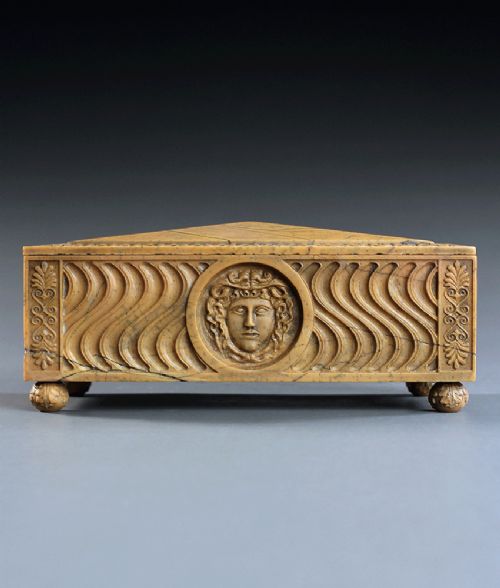
The forms range from Grand Tour sarcophagus caskets in marble to Sorrento ware keepsake boxes and Capodimonte porcelain table caskets. These pieces served historically to store precious trinkets, gaming cards, or letters, combining utility with ornamental display.
Variations in quality
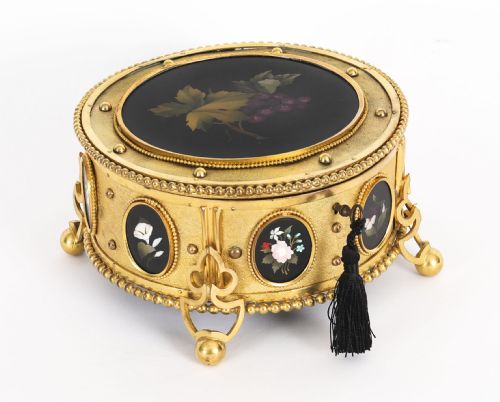
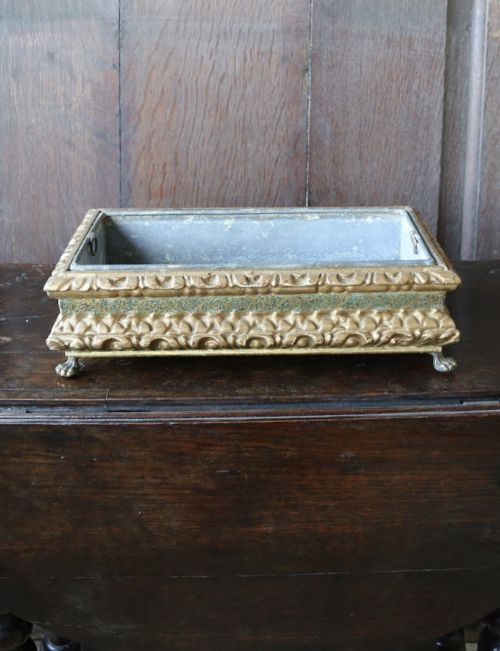
The refinement of the materials and the precision of the assembly dictate the grade of an antique italian casket. Pieces featuring hand-carved gilt wood or finely detailed pietra dura panels demonstrate superior artisan skill compared to simpler constructions.
The integrity of the surface decoration, from the fit of bone inlay on olive wood to the crispness of Capodimonte porcelain moulding, distinguishes finer examples. Surviving original ormolu mounts and functional hinges further elevate the standing of a piece.
Listings feature pieces spanning from the seventeenth century through to 1920, incorporating porcelain, brass, pietra dura, enamel, and various timbers.
The Antique Italian Casket Glossary
- Pietra dura
- A method of inlaying cut and fitted polished coloured stones to create pictorial designs. This technique appears frequently on nineteenth-century marble and wooden boxes.
- Sorrento ware
- Woodworking originating from the Italian town of Sorrento, typically utilising olive wood with intricate marquetry and mosaic inlay. Pieces often feature naturalistic floral or architectural motifs.
- Capodimonte porcelain
- Hard-paste porcelain originating from the famous Naples factory established in the eighteenth century. It is celebrated for its relief-moulded figurative scenes and ornate decorative details.
- Ormolu
- Gilded bronze or brass applied as decorative mounts, feet, and handles on furniture and boxes. It provides a bright metallic contrast to dark woods and stone.
- Sarcophagus casket
- A box shaped like an ancient stone coffin with a pitched or domed lid. Grand Tour travellers frequently collected these marble and stone receptacles.
Antique Italian Casket: Frequently Asked Questions
What are antique italian caskets made of?
These pieces incorporate a diverse selection of materials depending on their regional origin and period. Common mediums include woods such as olive, walnut, and ebony, alongside stone, porcelain, brass, and ormolu.
Craftsmen frequently combined these elements, pairing wooden bases with pietra dura panels or mounting porcelain bodies in gilt metal frames.
How do I identify Sorrento ware?
Sorrento ware is primarily recognised by its use of light olive wood decorated with detailed marquetry and geometric bone inlay. The surface often displays characteristic banded patterns or pictorial scenes.
These boxes typically date from the nineteenth and early twentieth centuries and were popular keepsakes for travellers visiting the region.
What is a Grand Tour casket?
Grand Tour caskets are ornamental boxes acquired by wealthy travellers visiting cultural centres like Rome and Florence during the nineteenth century. They frequently take the form of miniature sarcophagi.
Materials such as Siena marble and pietra dura were favoured for these pieces to evoke classical antiquity and Italian craftsmanship.
How were these boxes used historically?
Historically, these caskets served practical and decorative functions in domestic interiors. Owners stored jewellery, letters, trinkets, or even poker card games inside them.
Placed on desks, dressing tables, or console tables, they acted as status symbols that demonstrated the owner's taste and culture.