





Antique Iron Strap Box
An antique iron strap box brings industrial strength and centuries of travel into a modern interior.
Antique Iron Strap Box
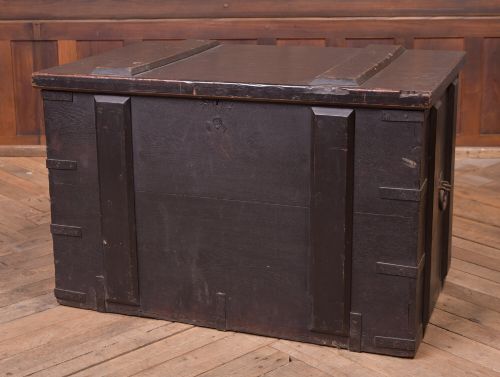
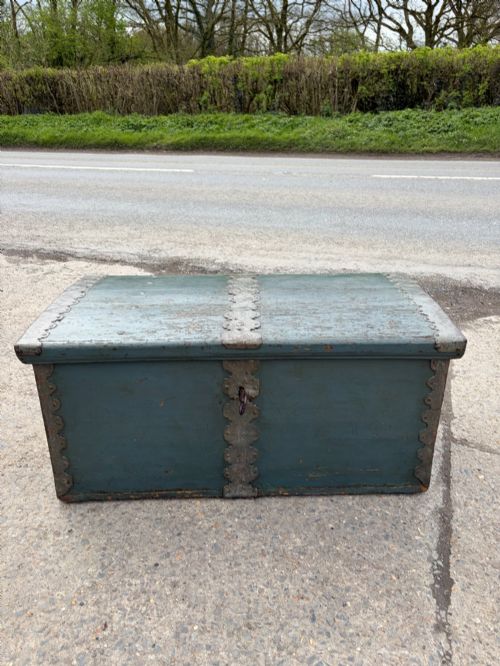
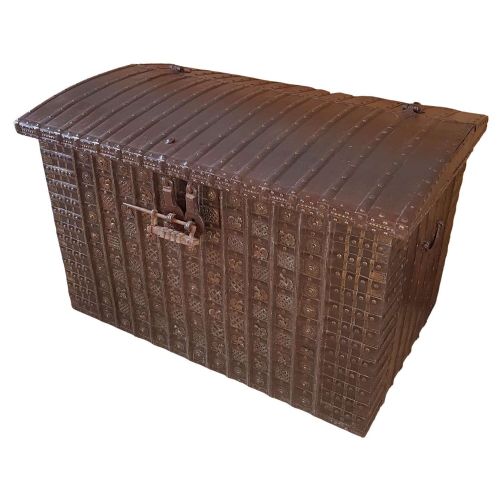
When you search for an antique iron strap box, you encounter robust storage pieces designed to protect valuables during transit and domestic storage. These containers span various forms, including travel trunks, dowry chests, silver boxes, and dome-top coffers.
Pine and oak form the foundation for many examples, while exotic woods such as teak, walnut, and elm appear in regional variants from distant trade routes. Scandinavian, Indian, and British workshops produced these vessels to withstand arduous journeys.
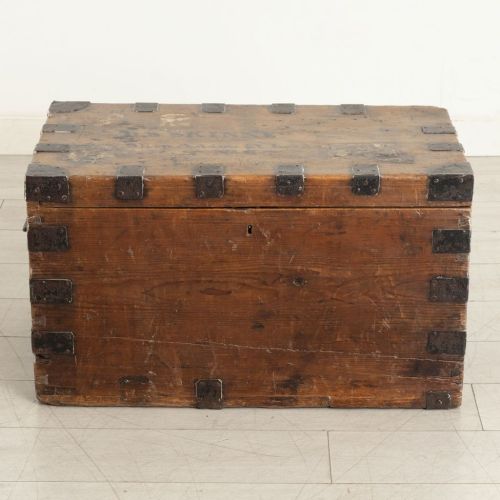
The defining characteristic across these forms is the application of iron strapwork, bands, and hasps that reinforce wooden joints. These structural elements transform simple boxes into secure repositories capable of enduring rough handling.
Materials and construction methods
Blacksmiths hammered strapwork by hand, securing the iron plates to timber carcases with heavy rivets and hand-forged nails. This metal reinforcement prevented the wood from splitting under heavy loads or sea voyages.
Carpenters joined primary timbers using dovetailed or pegged corners, mounting heavy side lifting handles and robust locks. Original paint, dark wax, or polished timber surfaces finished the exterior of these utilitarian objects.
One French box survived history explicitly designed to store cannonballs.
Distinguishing quality in strap boxes
Quality rests in the harmony between blacksmithing and carpentry, where neatly dovetailed carcases meet crisp, hand-forged strapwork rather than hasty machine cutting. The weight and complexity of the ironwork dictate the structural integrity of the piece.
Original surface finishes, working locks with functioning keys, and untouched interior linings elevate a box above standard utility pieces. Retaining historical labels or provenance adds historical depth to the physical object.
Elkington·Sir Randolph Isham Routh KCB
The Antique Iron Strap Box Glossary
- Strapwork
- Metal bands crossing a wooden chest to reinforce corners and joints. These strips distribute impact stress across the wooden panels.
- Coffer
- A heavy wooden chest traditionally used for storing valuables or documents. Many examples feature domed lids to shed water during travel.
- Hasps
- A slotted metal plate that fits over a staple and receives a padlock. This fitting secures the lid against forced entry.
- Silver chest
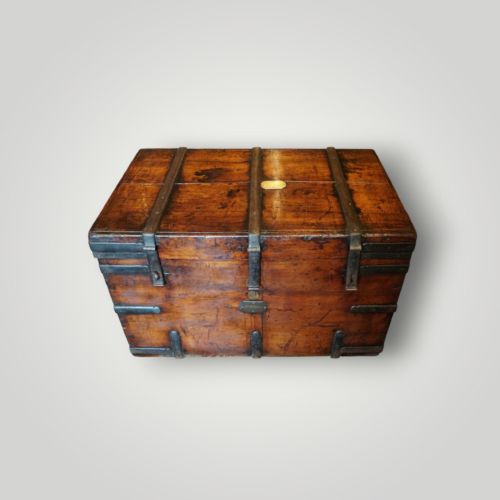
- A specialised lined trunk fitted internally for cutlery and plate. These boxes often employ robust oak and heavy brass or iron hardware.
- Damchiya
- An Indian dowry chest constructed with low feet and heavily banded panels. These storage units formed part of a bride's household goods.
Antique Iron Strap Box: Frequently Asked Questions
What were antique iron strap boxes used for?
These boxes served as secure luggage for officers, diplomats, and merchants travelling across continents by ship and carriage. Domestic households also relied upon them to safeguard silver, documents, and linen against theft and damp conditions.
The heavy iron strapping ensured the wooden walls remained intact despite rough transit conditions. Over time, many transitioned from travel gear into static storage furniture within country houses and town residences.
How do I date an antique iron strap box?
Dating relies on examining the construction methods of the wooden carcase and the forging style of the ironwork. Hand-forged strapwork and pegged joints generally point to earlier centuries, while machine-rolled iron and standardised screws indicate later periods.
Timber choice also provides clues, as native oak and pine dominate earlier British and Scandinavian pieces. Exotic hardwoods and specific regional locking mechanisms align with nineteenth-century global trade patterns.
Are these boxes suitable for modern living?
Their sturdy construction makes them ideal as coffee tables, blanket storage at the foot of a bed, or hallway seating. The internal compartments and deep wells accommodate modern household items while adding historical texture to a room.
Placing them in dry interior spaces preserves the historic timber and metalwork. Routine dusting and occasional wax application keep the original surfaces stable.
How do regional styles differ?
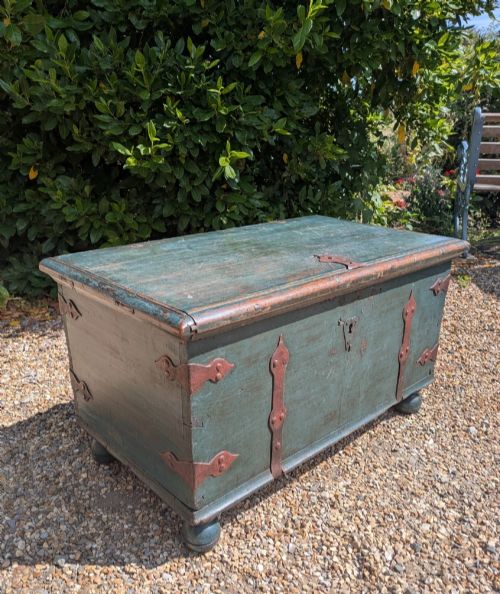
Scandinavian examples frequently display painted pine surfaces and delicate folk art motifs alongside black iron straps. In contrast, British pieces rely on polished oak or mahogany combined with utilitarian brass and iron mounts.
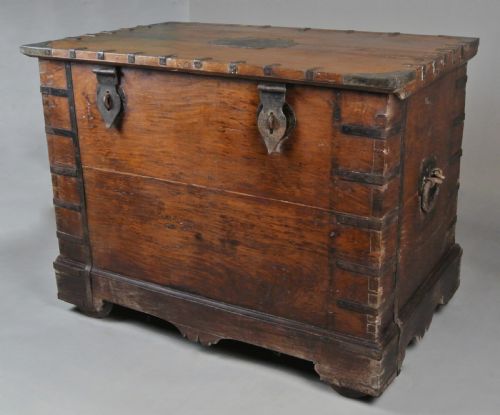
Anglo-Indian and Rajasthan boxes utilise dense hardwoods like teak with elaborate brass or iron bandings. Each region adapted the core principle of wooden reinforcement to local materials and cultural aesthetics.