




Antique Iron Shoe Scraper
An antique iron shoe scraper clears mud from boots before visitors step inside.
Antique Iron Shoe Scraper
When you search for an antique iron shoe scraper, you encounter practical entrance accessories designed to remove mud and dirt from footwear before entering a building. These pieces appear in forms ranging from simple threshold blades to substantial townhouse and country house installations.
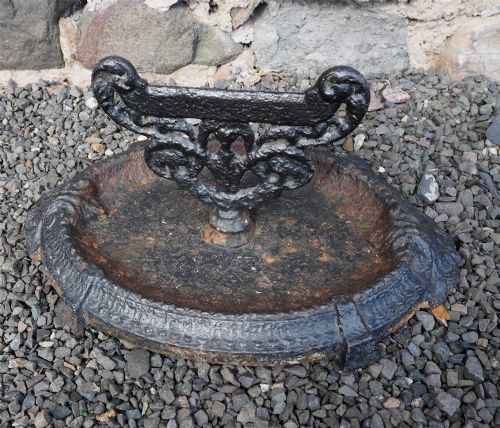
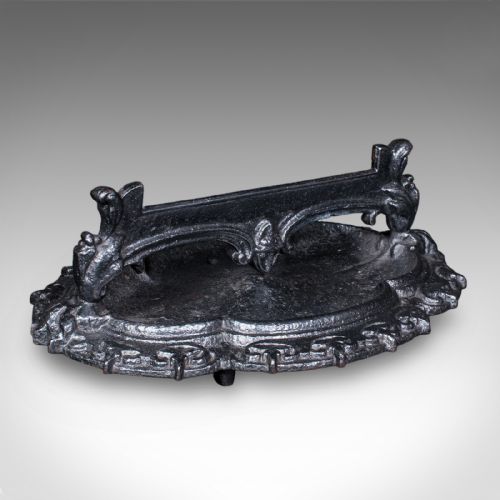
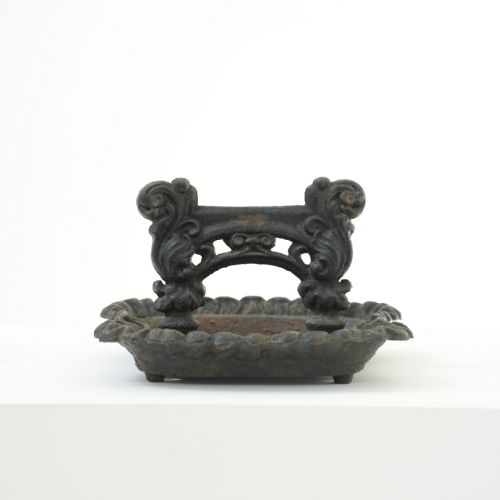
You are most likely to meet Victorian and Georgian examples on this page. Many incorporate integrated shoe pulls alongside the central scraping blade to assist with removing tall boots.
How they were made
Makers utilised durable cast iron and wrought iron for the striking blades and structural frames. These metals provided the necessary rigidity to scrape thick mud from soles without bending.
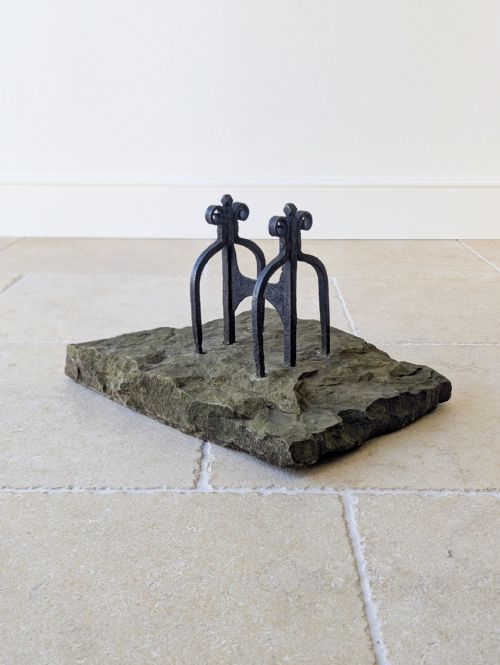
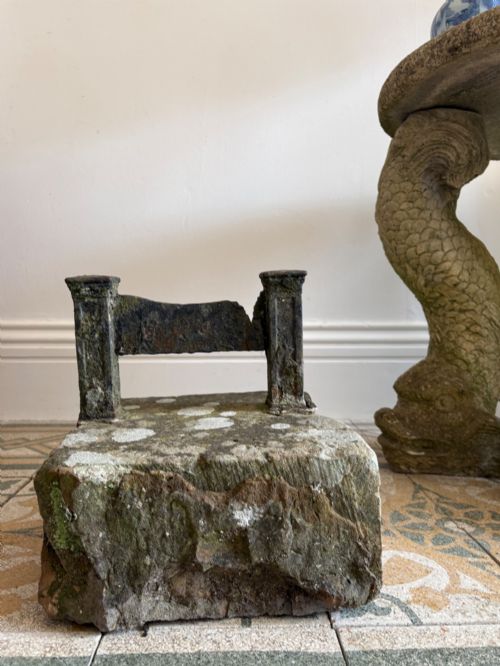
Many surviving examples are inset directly into heavy blocks of stone or Yorkstone to anchor them firmly at doorways and entrances.
Antique Iron Shoe Scraper Retail Price Guide 2026
Typical asking prices for iron shoe scraper among the pieces listed under this phrase on Sellingantiques today, from the lower quarter to the upper quarter. They describe what is for sale here now, not the wider market.
The listings on this page span the Georgian, Regency, and Victorian periods, utilising cast iron, wrought iron, stone, and Yorkstone.
What varies in quality
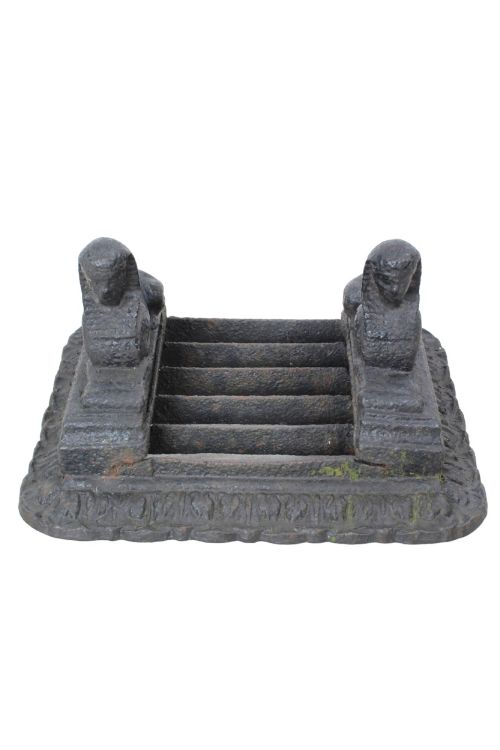
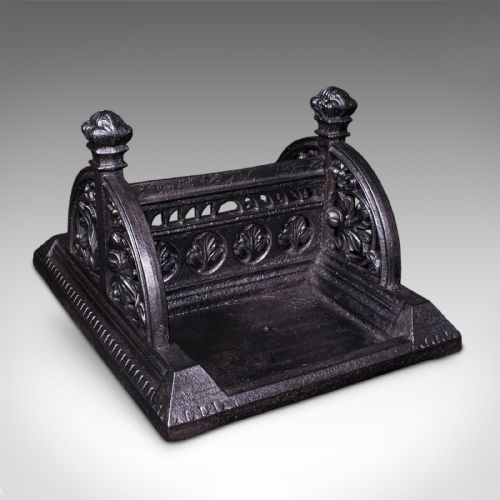
The distinction between standard utility items and finer examples lies in the decorative ambition of the ironwork. Pieces featuring stylistic details such as Egyptian Revival motifs or Gothic Revival tracery demonstrate greater design complexity than plain domestic versions.
Scale and provenance also separate domestic doorway scrapers from large country house or London townhouse commissions intended for grander architectural settings.
Coalbrookdale
The Antique Iron Shoe Scraper Glossary
- Shoe pull
- An integrated loop or handle used to leverage footwear off the foot. It usually forms part of the cast iron assembly adjacent to the scraper blade.
- Yorkstone
- A dense sandstone frequently used as a base block for mounting heavy iron scrapers. It provides a solid foundation for threshold placement.
- Cast iron
- Molten iron poured into a mould to create rigid shapes and decorative forms. It is the predominant material for Victorian and Georgian scraper blades.
- Wrought iron
- Iron heated and hammered into shape by hand rather than poured into a mould. It appears on earlier country house examples.
- Gothic Revival
- An architectural and decorative style drawing on medieval forms. Scrapers in this style incorporate pointed arches and structural tracery.
Antique Iron Shoe Scraper: Frequently Asked Questions
Where were shoe scrapers placed?
These pieces sat directly outside front doors, porches, and carriage entrances of townhouses and country estates.
Their primary placement ensured visitors scraped away heavy mud and dirt before stepping onto interior floors.
What is a shoe pull?
A shoe pull is an integrated loop or hook designed to help pull tight boots off the foot.
Found beside many scraper blades, it combined two mud-room functions into a single iron fixture.
How do I tell Georgian from Victorian pieces?
Georgian pieces often utilise hand-forged wrought iron combined with heavy stone bases and simpler, functional lines.
Victorian examples frequently employ mass-produced cast iron with ornamental details reflecting Gothic Revival or Egyptian Revival styles.
Can I install an antique scraper outside?
Cast iron and stone withstand outdoor weather conditions effectively due to their durable, heavy construction.
Many examples spent centuries positioned beside doorways exposed to rain and mud.