




Vintage Cast Iron Mud Scraper
These vintage cast iron mud scraper pieces are sturdy threshold sentinels designed to clear heavy earth from footwear before entering the house.
Vintage Cast Iron Mud Scraper
When buyers search for vintage cast iron mud scraper items, they encounter heavy threshold fixtures designed for domestic entrances. These pieces primarily take the form of boot scrapers and shoe cleaners placed outside doorways to remove dirt.
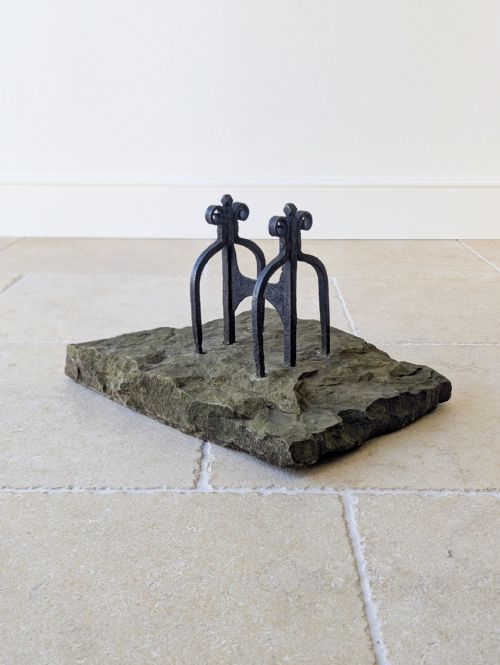
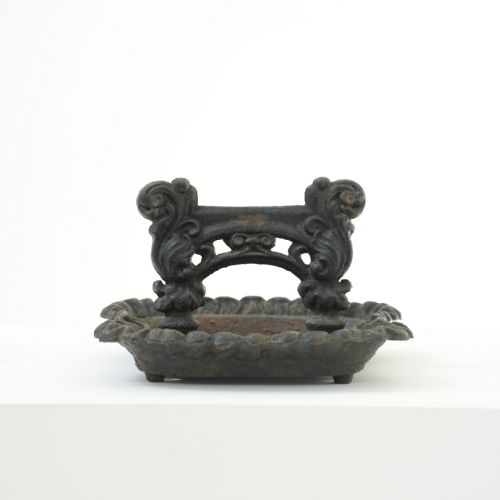
The versions most commonly met on this page span the Georgian, Victorian, and Regency periods, reflecting both country house and townhouse origins. Formats range from simple iron blades to larger designs incorporating shoe pulls or set-in stone blocks.
How they were made
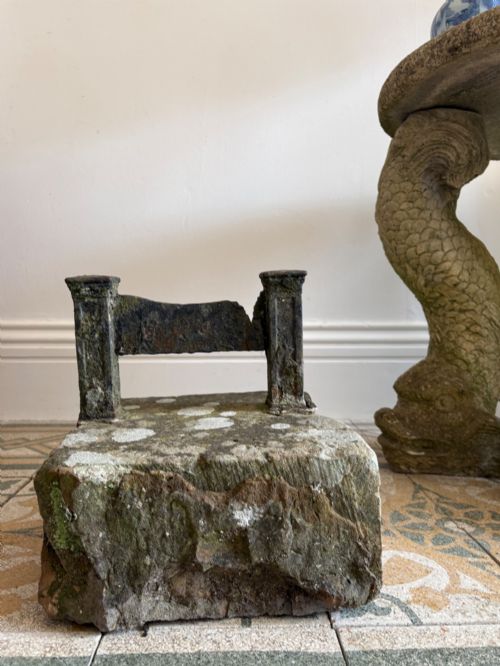
These items rely heavily on cast iron and wrought iron, forged or cast into rigid blades and frames. Metal components are frequently mounted directly into heavy stone or Yorkstone blocks to anchor the scraper firmly against the ground.
Makers utilised durable foundry techniques to produce solid iron forms capable of withstanding heavy daily use outdoors. The combination of structural metal and dense stone provided the necessary weight for stability.
Vintage Cast Iron Mud Scraper Retail Price Guide 2026
Typical asking prices for vintage cast iron mud scraper among the pieces listed under this phrase on Sellingantiques today, from the lower quarter to the upper quarter. They describe what is for sale here now, not the wider market.
Listings feature periods spanning from Georgian and Regency to late Victorian, alongside materials such as cast iron, wrought iron, and Yorkstone.
What varies in quality
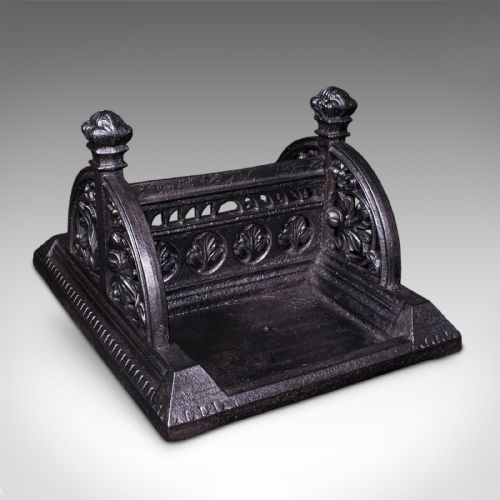
Quality separates simple utility pieces from elaborate architectural examples through the sophistication of the ironwork and the quality of the mounting base. Finer items incorporate integrated shoe pulls or detailed Gothic Revival styling rather than plain functional bars.
The choice of foundation material also distinguishes the range, with hewn Yorkstone and fitted stone blocks representing a higher grade of manufacture than basic iron plates. Detail in the casting and overall weight define the better pieces.
Coalbrookdale
The Vintage Cast Iron Mud Scraper Glossary
- Boot Scraper
- A metal blade fixed near a doorway for scraping mud off footwear. These fixtures are characteristic of Georgian and Victorian entrances.
- Shoe Pull
- A loop or handle attached to a scraper frame to help steady the foot while cleaning. This feature appears on larger townhouse models.
- Yorkstone
- A tough sandstone from Yorkshire used extensively for paving and mounting heavy ironwork. It provides a solid foundation for threshold hardware.
- Gothic Revival
- An architectural and decorative style drawing on medieval forms, seen here in nineteenth-century casting details. This style introduced pointed arches and ecclesiastical motifs to utilitarian objects.
Vintage Cast Iron Mud Scraper: Frequently Asked Questions
What is a vintage cast iron mud scraper?
A vintage cast iron mud scraper is a threshold device built to clean heavy dirt from boots before entry. These items date primarily from the Georgian and Victorian eras.
They combine a rigid metal blade with sturdy bases of iron or stone to remain stable outside doorways.
How were boot scrapers used?
Boot scrapers were positioned outside domestic entrances to allow occupants and visitors to scrape mud off their footwear. Users drew the soles of their boots across the metal blade.
Some designs included integrated shoe pulls to help steady the foot during the cleaning process.
Where should I place a heavy boot scraper?
These pieces suit outdoor porch steps, garden paths, or boot rooms where muddy footwear arrives. Their substantial weight allows them to stand firmly on stone or paved ground without extensive fixing.
Because they tolerate weather well, they function effectively in open exterior locations.
How do I identify a Georgian scraper?
Georgian scrapers often display restrained lines, wrought iron elements, and mounting into heavy Yorkstone blocks. Their forms reflect the architectural standards of townhouses and country houses from the eighteenth and early nineteenth centuries.
Victorian examples frequently introduce more ornate casting and Gothic Revival stylistic details.