



Antique Iron Coffee Table
These antique iron coffee tables combine heavy metal frames with marble, wood, and leather tops for a robust centrepiece.
Antique Iron Coffee Table
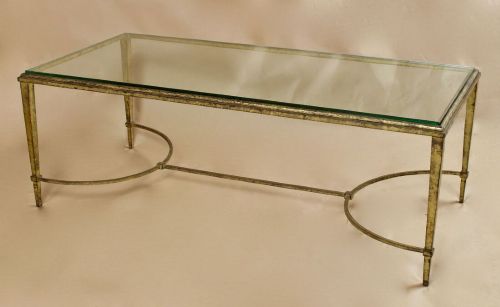
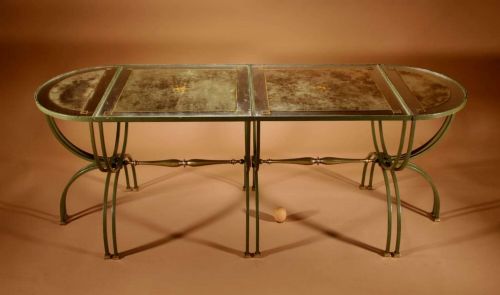
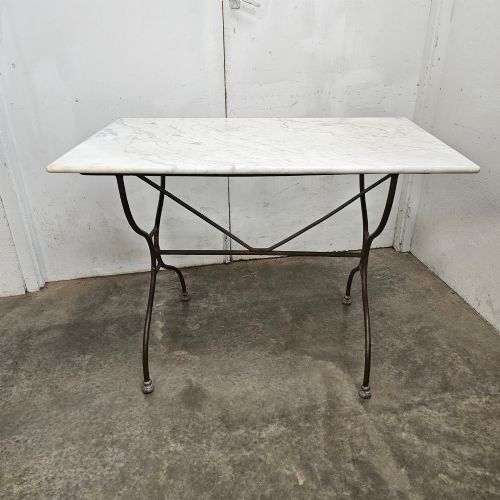
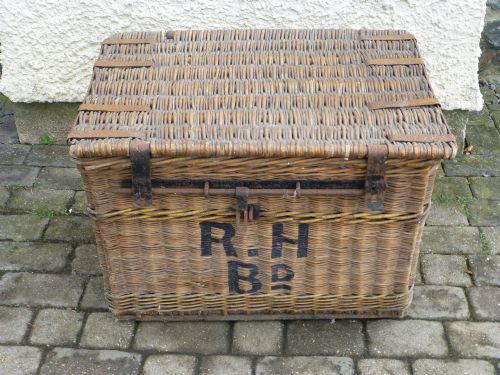
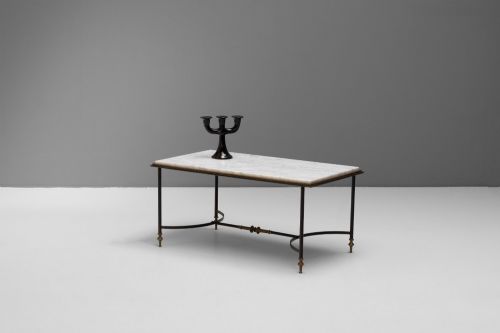
An antique iron coffee table encompasses low resting surfaces supported by metal framing, drawing from a variety of historical forms. The selection includes repurposed garden tables, cafe tables, and converted storage trunks alongside dedicated occasional tables.
Most examples originate from the nineteenth and early twentieth centuries, spanning Victorian, Edwardian, and Art Deco periods. French provincial and industrial aesthetics appear frequently among the listings, often featuring distressed metalwork paired with stone or timber.
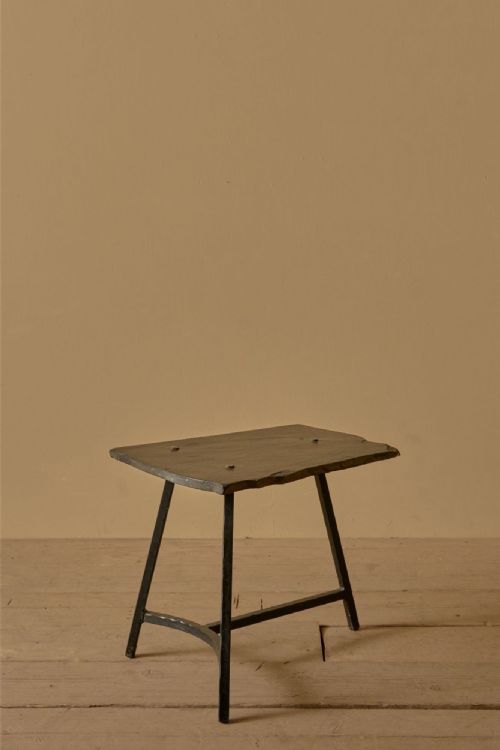
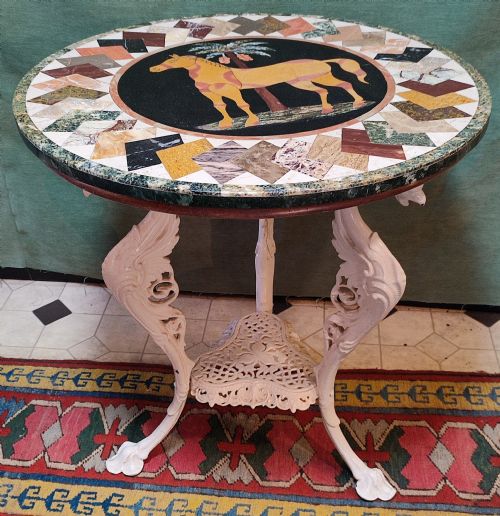
Makers often adapted utilitarian objects, placing wooden chests or serving trays onto iron bases to create functional furniture. Buyers encounter everything from ornate cast iron tripod structures to simple wrought iron trestle supports.
How They Were Made
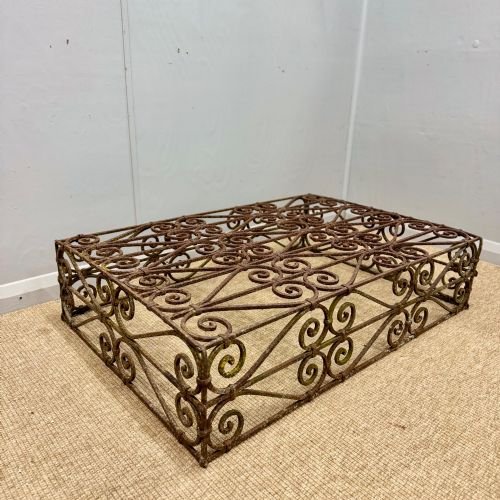
The heavy bases utilise either cast iron, poured into moulds to create decorative relief and rigid shapes, or wrought iron, heated and hammered by hand into flowing structural supports. These metal frames provide substantial weight and industrial durability.
Surface materials vary widely, incorporating pine, elm, teak, or burr walnut for wooden elements, alongside green or black marble and mosaic stone. Leather, zinc linings, and brass hasps frequently complete the detailing on trunk-style variants.
Antique Iron Coffee Table Retail Price Guide 2026
Typical asking prices for iron coffee table among the pieces listed under this phrase on Sellingantiques today, from the lower quarter to the upper quarter. They describe what is for sale here now, not the wider market.
Listings feature items spanning the eighteenth to the twentieth centuries, utilising iron, pine, marble, and teak.
What Varies in Quality
The integrity of the structural joinery dictates the overall worth of the piece, particularly where metal meets stone or wood. Superior examples display secure fixings that resist wobble without relying on modern replacement brackets.
Material selection divides the standard items from the exceptional. Heavy cast or hand-forged wrought iron paired with high-grade marble or dense hardwoods like teak and walnut commands greater attention than lighter, pine-based adaptations.
The Antique Iron Coffee Table Glossary
- Cast iron
- Iron melted and poured into a mould to form solid shapes and decorative bases. This technique creates rigid, heavy structures common in Victorian and Edwardian tables.
- Wrought iron
- Iron heated and worked by hand with a hammer to produce strong, pliable structural elements. The process leaves subtle surface textures characteristic of older forge work.
- Specimen marble
- A polished stone top composed of various coloured marbles arranged in geometric or decorative patterns. These tops denote higher status and finer craftsmanship.
- Tripod base
- A three-legged support structure attached beneath a table top. This design ensures stability on uneven historical flooring.
- Strapp work
- Iron bands or straps applied to reinforce wooden trunks and chests. They add both structural strength and visual contrast to the timber.
Antique Iron Coffee Table: Frequently Asked Questions
Are these tables suitable for everyday use?
The robust iron frames and durable surfaces handle daily living with ease. Their solid construction withstands regular weight without structural compromise.
Protective pads beneath stone or wood tops help prevent surface scratches from daily items. Regular gentle cleaning maintains the aged finish of both metal and timber.
How do I clean an iron base?
Dry dusting removes loose debris from intricate scrollwork and joints. A soft cloth prevents moisture accumulation in recessed areas.
Avoid harsh chemical cleaners that strip the protective oxidation layer. Light application of neutral wax preserves the original dark finish.
Can I place these on wooden floors?
Iron bases carry considerable weight and possess hard contact points. Small felt or rubber pads underneath prevent scratching on delicate timber.
Positioning the table carefully distributes the load across the floorboards. This step protects both the antique furniture and the domestic interior.
How do I identify a Victorian piece?
Victorian examples often display heavy cast iron framing combined with dense timbers like walnut or pine. Construction techniques show period-specific hand tools and traditional joinery.
Stylistic cues draw from industrial utilitarianism or ornate domestic revival trends. The weight and material density typically point toward nineteenth-century manufacturing standards.