


Antique Iron Bowl
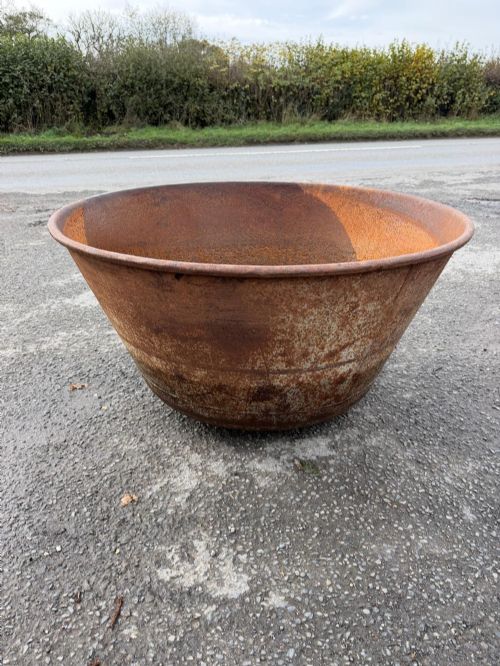
An antique iron bowl brings weight and industrial character to a room, offering a functional vessel forged to endure.
Antique Iron Bowl
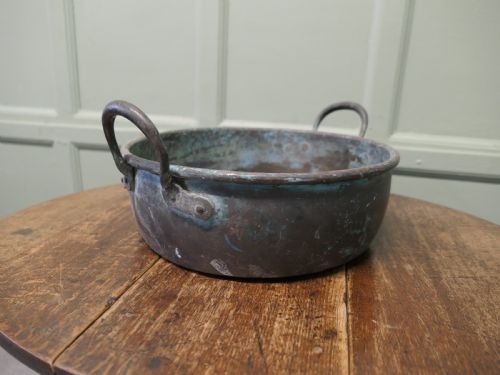
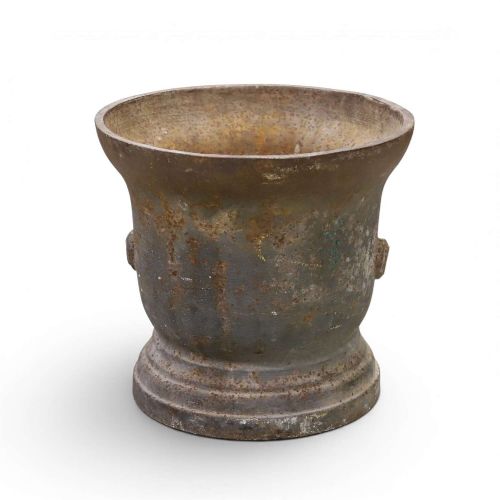
When searching for an antique iron bowl, buyers encounter robust utility objects and decorative vessels originating from the eighteenth and nineteenth centuries. These pieces encompass heavy kitchenware, garden planters, and apothecary mortars designed for practical domestic or industrial use.
Cast iron and wrought iron examples dominate the available selection, reflecting the manufacturing capabilities of the Georgian and Victorian periods. The forms range from simple utilitarian basins to ornate French garden jardinières created for estates.
How They Were Made
Foundries produced cast iron vessels by pouring molten metal into sand moulds, creating thick walls and durable structures capable of withstanding heavy friction or weathering. Wrought iron pieces relied on blacksmiths heating and hammering bars into shape, leaving subtle surface textures from the anvil.
Makers often applied dark protective coatings or allowed natural oxidation to seal the metal against moisture. Heavier utilitarian items like mortars and garden urns required substantial mould work and precise cooling to prevent cracking.
Antique Iron Bowl Retail Price Guide 2026
Typical asking prices for iron bowl among the pieces listed under this phrase on Sellingantiques today, from the lower quarter to the upper quarter. They describe what is for sale here now, not the wider market.
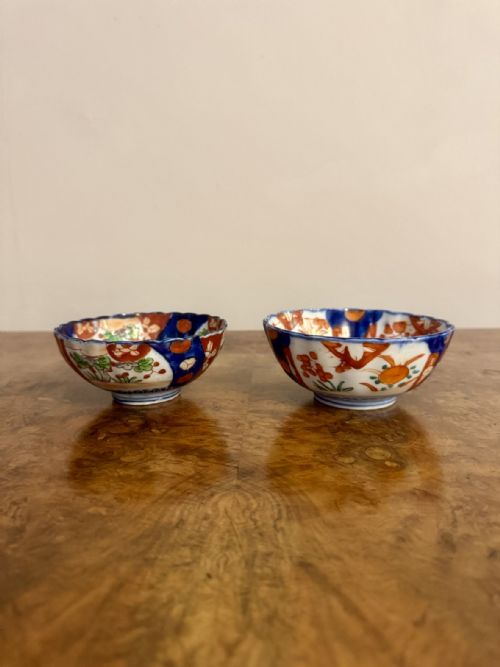
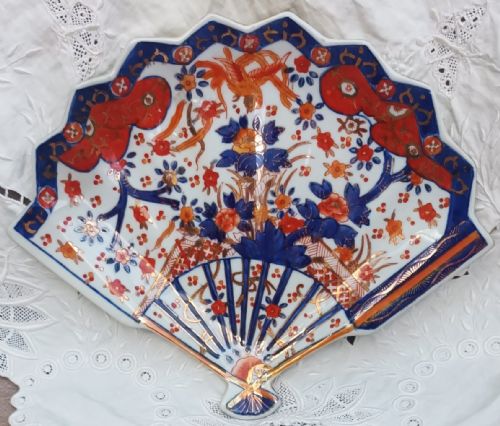
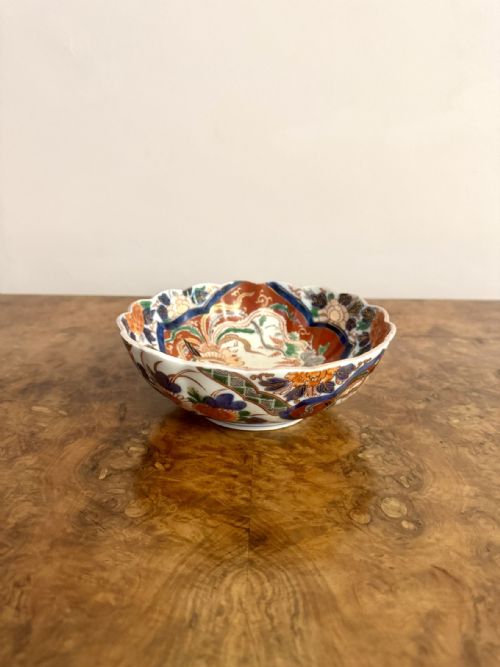
The selection includes utilitarian kitchenware and mortars sitting alongside decorative garden urns and French planters.
What Varies in Quality
The standard of a casting separates common utilitarian items from finer decorative pieces, visible in the crispness of edges and the evenness of the metal walls. Wall thickness and balance determine how successfully a vessel holds its form under stress or weight.
Proportion and surface finish dictate the desirability of surviving examples. Pieces retaining original foundry marks or clear evidence of hand-finishing demonstrate superior craftsmanship.
The Antique Iron Bowl Glossary
- Cast iron
- A hard, relatively brittle alloy of iron and carbon that can be readily cast in a mould. It provides the heavy, solid structure seen in nineteenth-century garden urns and kitchen mortars.
- Wrought iron
- Tough, malleable iron that can be heated and forged into shape by a blacksmith. This material yields fibrous textures and resilient structures.
- Jardiniere
- An ornamental pot or stand for holding plants or flowers. These items appear in cast iron for outdoor and conservatory use.
- Mortar
- A heavy vessel in which substances are crushed or ground with a pestle. Iron examples from French chateaux and English dye works display thick walls built for heavy impact.
Antique Iron Bowl: Frequently Asked Questions
How were iron bowls used originally?
These vessels served demanding physical tasks in kitchens, gardens, and workshops, acting as mortars for grinding materials or as heavy planters for estate grounds.
Their robust construction allowed them to handle continuous friction, weather exposure, and heavy loads without structural failure.
How do I care for an antique iron bowl?
Keep the metal dry and apply occasional light coats of neutral oil or wax to prevent active oxidation and preserve the surface finish.
Avoid harsh chemical cleaners that strip the protective barrier built up over centuries of handling.
How can I tell the period of an iron bowl?
Examination of the casting seams, tool marks, and overall weight often points to manufacturing methods typical of the eighteenth or nineteenth century.
Form and intended function also guide dating, as nineteenth-century pieces frequently reflect industrial standardisation compared to earlier hand-finished work.
Can antique iron bowls be used outdoors?
Cast iron garden urns and planters were designed to withstand outdoor conditions, developing a stable weathered patina over time.
Protecting them from standing water during freezing temperatures prevents potential cracking in heavier cast pieces.