




Antique Iranian Area Rug
These antique iranian area rug examples are handwoven floor coverings offering traditional patterns and rich wool, cotton and silk textures.
Antique Iranian Area Rug
An antique iranian area rug brings centuries of weaving heritage directly onto the floor, ranging from compact tribal room-sizes to expansive formal carpets. When you search for this phrase, you meet diverse village and city expressions spanning the nineteenth and twentieth centuries.
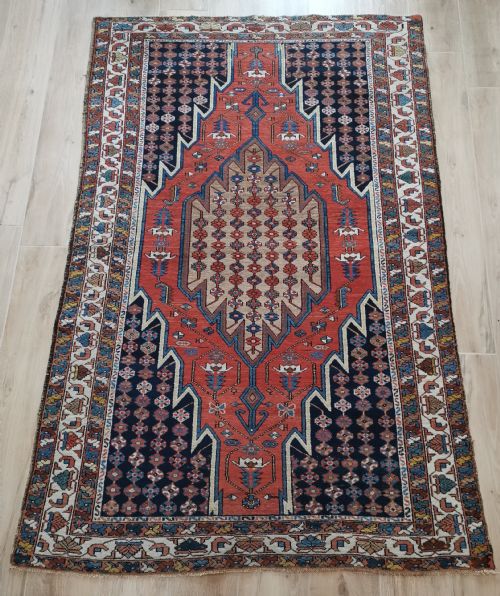
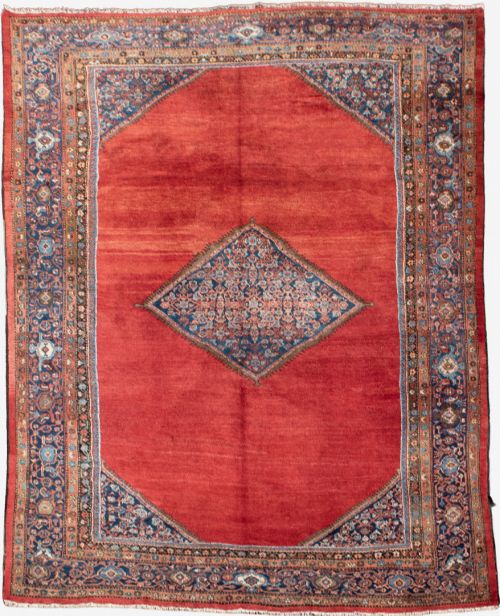
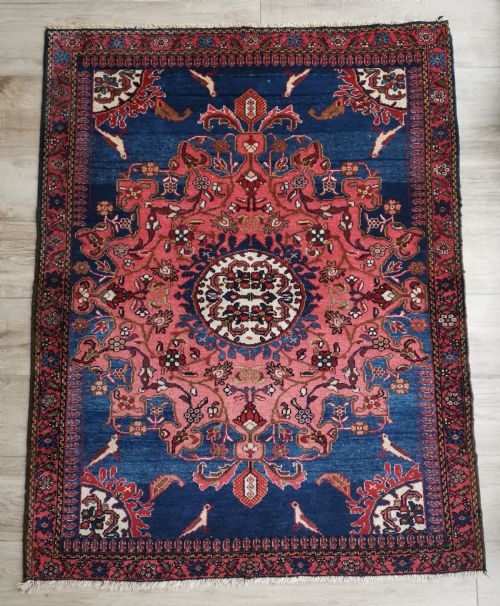
The pieces on this page showcase distinct regional identities such as Heriz, Ferahan, Kashan and Qashqai. Each origin employs specific layouts, from bold geometric medallions to intricate floral fields.
These floor coverings function both as practical domestic furnishings and as collectible textile art. The materials and formats vary widely, offering formats suited to diverse interior spaces.
How They Were Made
Weavers constructed these rugs using natural materials, predominantly wool for the pile, supported by cotton or silk foundations. Hand-knotting techniques allowed makers to build dense, durable surfaces that withstand generations of use.
Dyers utilised natural organic substances to achieve deep, lasting tones across the wool and silk fibres. Skilled hands tied thousands of individual knots per square metre to form the complex geometric and floral designs.
The listings span nineteenth and twentieth-century production, incorporating materials like wool, cotton and silk across diverse regional styles.
What Varies in Quality
Knot density and structural integrity form the baseline of distinction between ordinary examples and masterworks. Finer knotting permits sharper detail in intricate floral or geometric motifs.
The choice of materials and the depth of dye saturation also dictate the overall character of the piece. Superior wool yields a more resilient pile that ages gracefully under foot.
The Antique Iranian Area Rug Glossary
- Pile
- The upright yarn loops that form the usable surface of the rug. This upper layer absorbs wear and displays the woven design.
- Warp
- The vertical foundation threads stretched tightly on the loom before knotting begins. The fringe of the rug typically consists of these extended warp threads.
- Weft
- The horizontal threads passed across the warp strands between rows of knots to secure the structure. They bind the foundation tightly together.
- Medallion
- A large central ornamental design motif placed in the middle of the field. Many regional styles position this geometric or floral centrepiece as the primary focus.
- Knot density
- The measurement of individual knots per square unit, indicating the fineness of the weaving. Higher counts generally denote greater labour and precision.
Antique Iranian Area Rug: Frequently Asked Questions
Where should I place these rugs?
These textiles suit low-traffic living areas or bedrooms where mechanical wear stays minimal. Direct sunlight causes natural dyes to fade over extended periods.
Underlays provide essential grip and prevent friction between the floorboards and the delicate foundation threads.
How do I identify regional styles?
Examining the characteristic medallion layouts and border motifs reveals the probable weaving origin. Heriz pieces often feature bold geometric geometry, while Kashan examples favour curvilinear florals.
Palettes and knotting techniques offer further clues to distinguish village pieces from city workshops.
What is tribal weaving?
Nomadic and village weavers produced these textiles from memory using locally sourced materials and portable upright looms. Designs reflect tribal traditions rather than rigid workshop cartoons.
Imperfect symmetry and spontaneous colour shifts often characterise these authentic village creations.