



Antique Instrument Decor
Antique instrument decor brings scientific precision and engineering history into domestic interiors through brass barometers, optical tools and classroom models.
Antique Instrument Decor
When you search for antique instrument decor, you encounter functional objects that served navigation, meteorology, education and music. The selections here centre predominantly upon barometers, thermometers and scientific apparatus spanning the nineteenth and twentieth centuries.
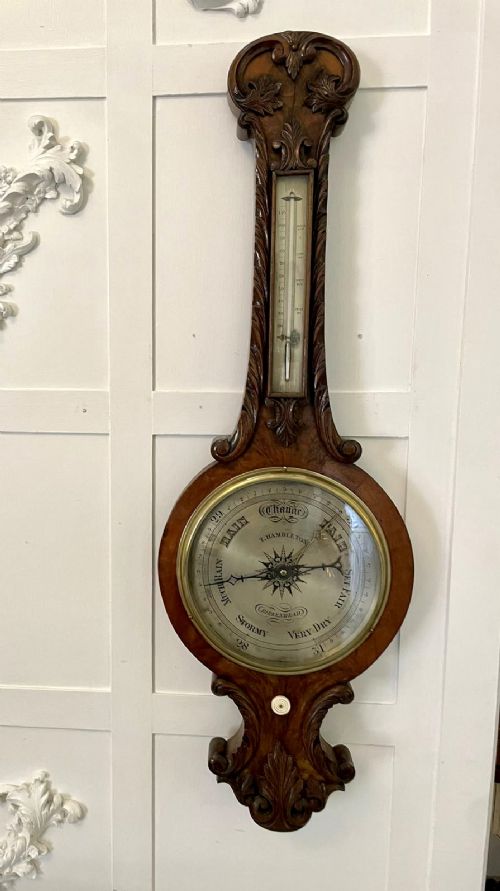
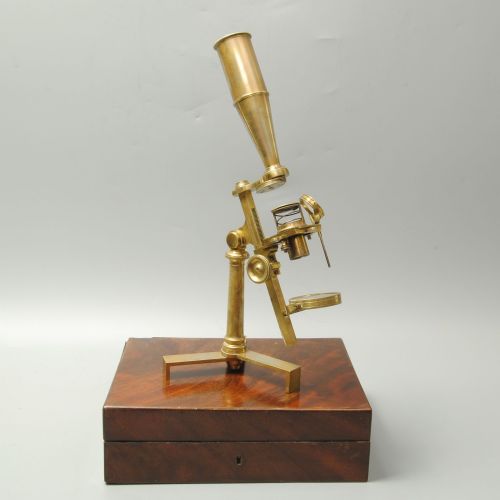
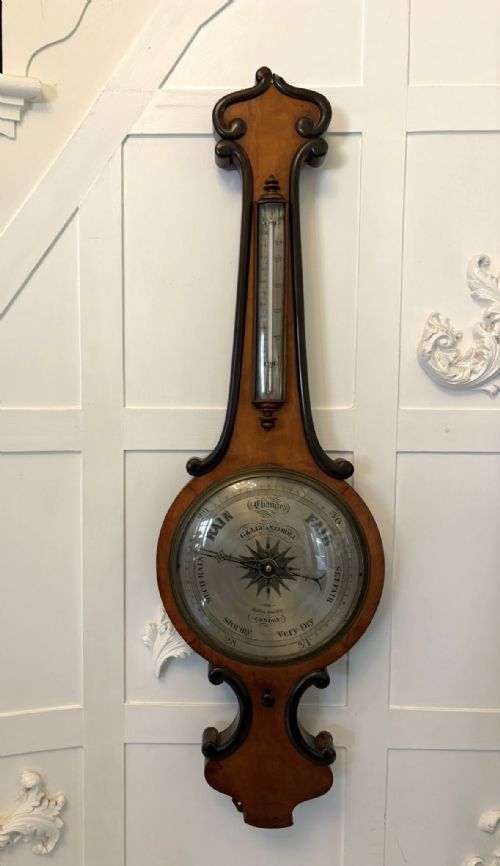
The nineteenth-century examples lean heavily towards domestic weather-recording devices housed in burr walnut, mahogany or oak cases. Domestic scientific equipment such as microscopes, telescopes and education models also feature prominently.
Later pieces from the twentieth century introduce industrial elements, including water pressure gauges, ships telegraphs and electrical generators. These items shift the focus from domestic parlour decoration to workshop, laboratory and maritime utility.
Materials and construction
Brass and glass dominate the construction of these items, providing both mechanical durability and visual contrast against dark hardwoods. Dial plates, bezels and optical housings rely on cast or turned brass, while protective covers utilise blown or plate glass.
Cabinetry relies on traditional timber selection, notably walnut, oak and mahogany. Woodworkers shaped these enclosures using techniques appropriate to domestic furniture, incorporating carved accents and Burr veneers on wheel barometers.
Scientific apparatus combines fine metalwork with specialised materials such as boxwood for scales and porcelain for thermometer tablets. Joinery in instrument cases utilises tight-fitting dovetails to protect delicate internal mechanisms.
A nineteenth-century educational engine model stands ready to demonstrate steam power without burning a single lump of coal.
Assessing quality in instrument decor
The standard of execution in the cabinetry and metal engraving dictates the quality tier of an instrument. Superior pieces display crisp graduations on scales, well-defined carvings on barometer frames and maker signatures from established opticians or instrument makers.
Materials and finish condition set apart the finer examples. Original glass, unpolished brass patination and intact wooden veneers indicate a high level of preservation, whereas replacement parts and excessive restoration diminish historical integrity.
G & L Guanziroli London·Short & Mason England·Merkelbach & Co Amsterdam·Watkins & Hill·Dollond London·Bianchi Ipswich·Physica
The Antique Instrument Decor Glossary
- Barometer
- An instrument used to measure atmospheric pressure for forecasting weather. Wheel barometers incorporate a dial face connected to a mercury tube system.
- Thermoscope
- An early type of thermometer that indicates changes in temperature without a calibrated numerical scale. Boxwood versions represent Regency era science.
- Barograph
- A mechanical instrument that records barometric pressure continuously over a week onto a rotating drum chart. Oak and glass cases typically protect these clockwork mechanisms.
- Ships Telegraph
- A maritime communication device used by the bridge to transmit orders to the engine room. These brass units often stand on pedestals or mount to bulkheads.
- Compound Microscope
- An optical instrument utilising multiple lenses to achieve higher magnification of specimens. These typically sit inside fitted mahogany storage cases with accessory slides.
Antique Instrument Decor: Frequently Asked Questions
Are these scientific instruments still accurate?
Many barometers and thermometers remain operational after calibration against modern standards. Mercury barometers require careful handling and vertical mounting to function correctly.
Some apparatuses, such as education models and electrical generators, function primarily as decorative or display pieces. Consult individual listings to determine the current working condition of internal mechanisms.
How do I identify Victorian barometers?
Victorian barometers often feature rich timber cases made from walnut, mahogany or oak. Architectural carvings, scrollwork and bone adjustment knobs frequently accompany these mid to late nineteenth-century designs.
Look for maker signatures inscribed on the dial face or ivory scale plates. Mercury tubes and open scale graduations further anchor these pieces securely within the Victorian period.
Where were scientific models used?
Scientific models served as teaching aids in nineteenth and twentieth-century classrooms and lecture halls. Education authorities utilised working engine models and generators to demonstrate physical principles to students.
These items transitioned from functional teaching apparatuses into decorative objects valued for their industrial aesthetics and mechanical complexity.