
Antique Inlay Sideboard
An antique inlay sideboard brings tactile warmth and precise cabinetwork to a room through contrasting timbers and delicate floral or geometric motifs.
Antique Inlay Sideboard
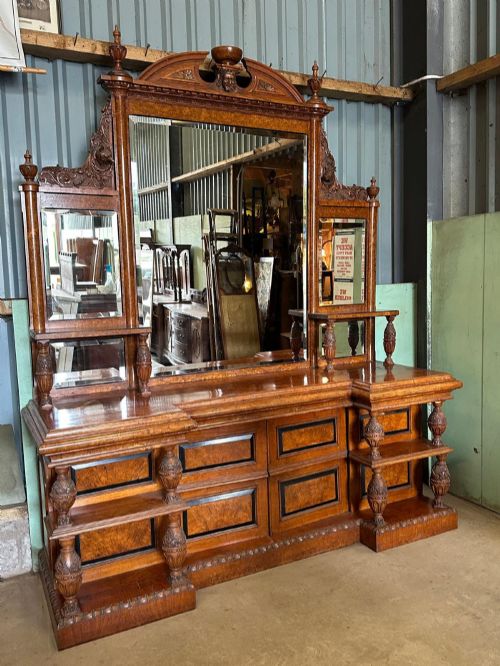
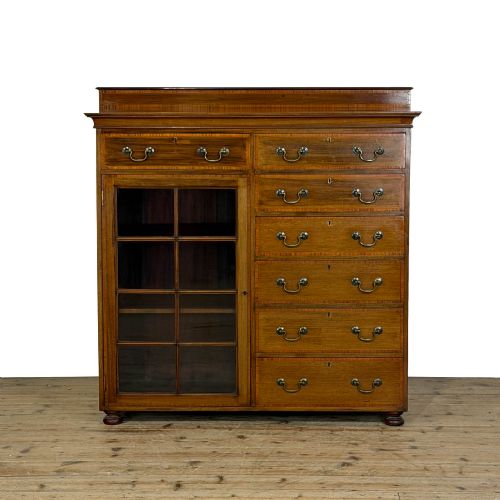
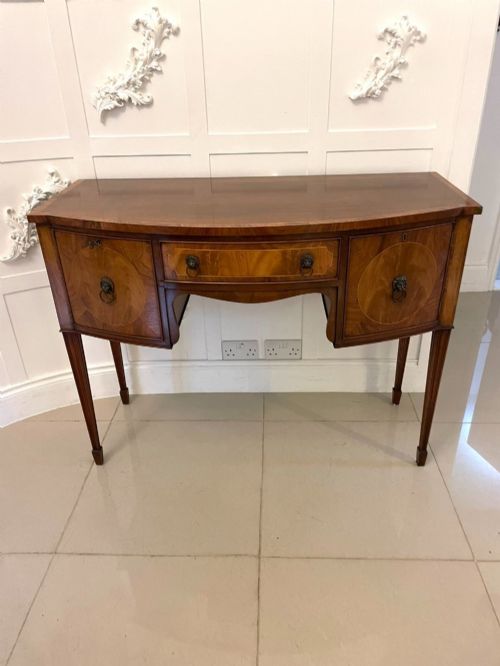
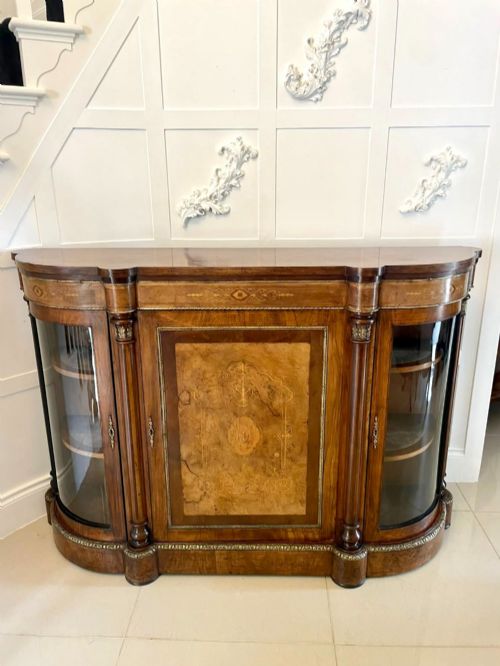
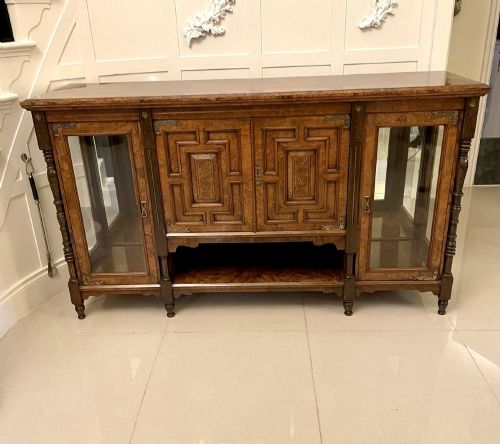
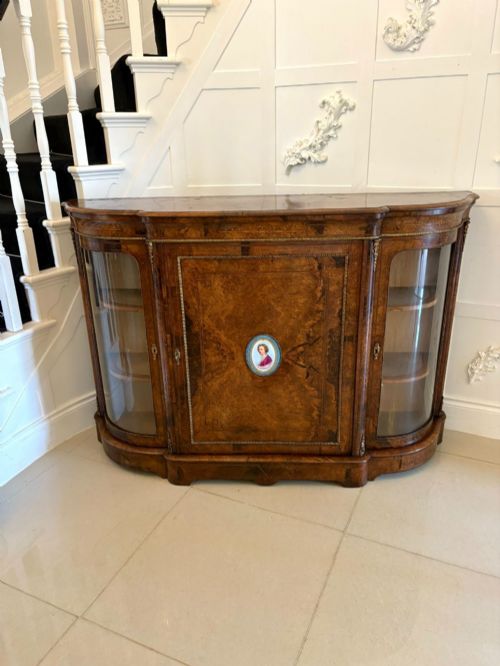
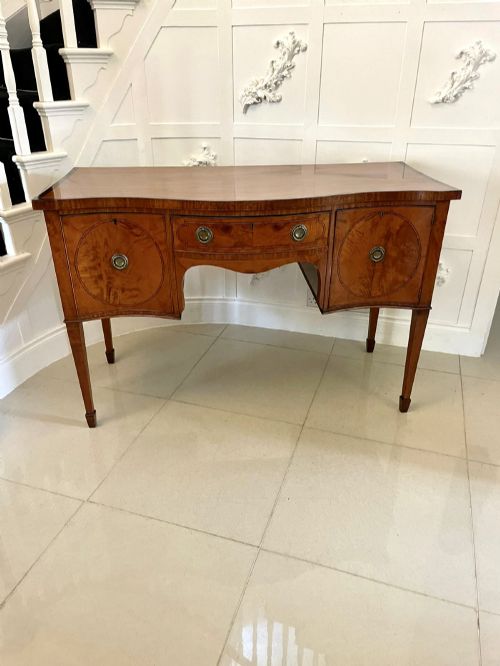
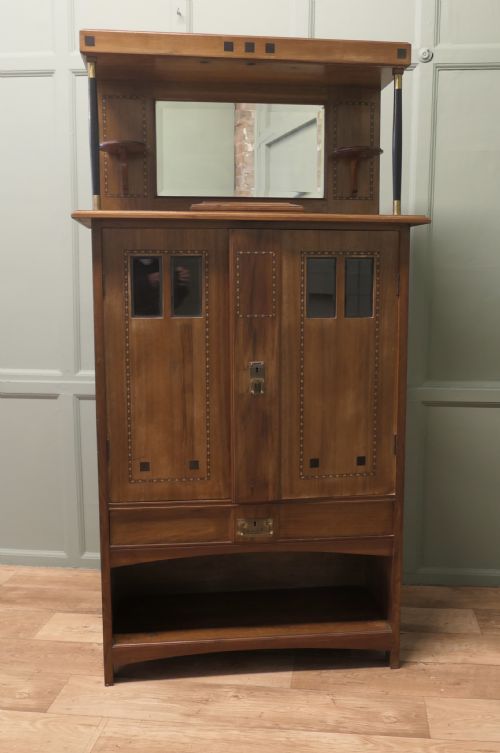
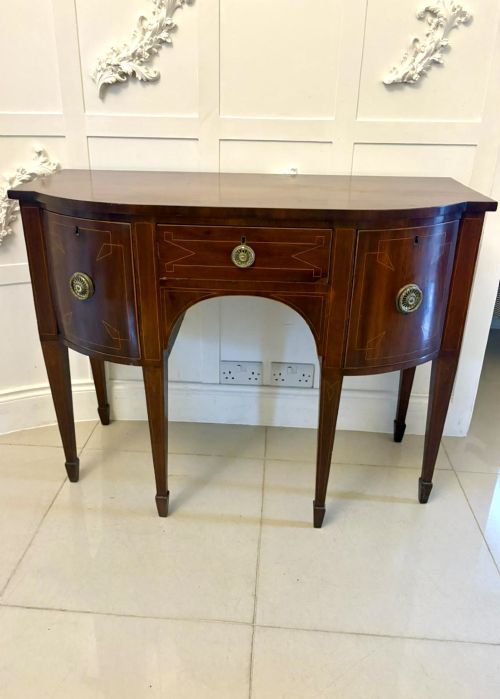
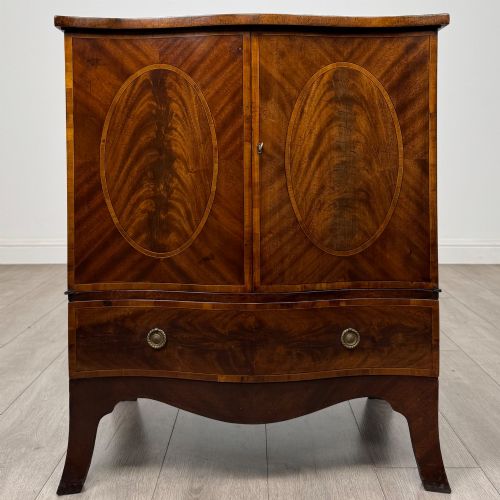
An antique inlay sideboard encompasses substantial dining room servers, serpentine credenzas, and decorative cabinets designed for display and storage. The pieces span Georgian, Victorian, and Edwardian periods, demonstrating shifts in scale from formal dining room furniture to compact drawing room cabinets.
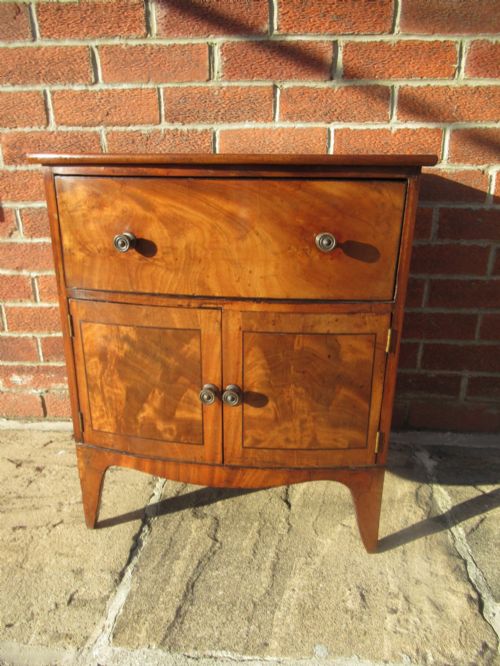
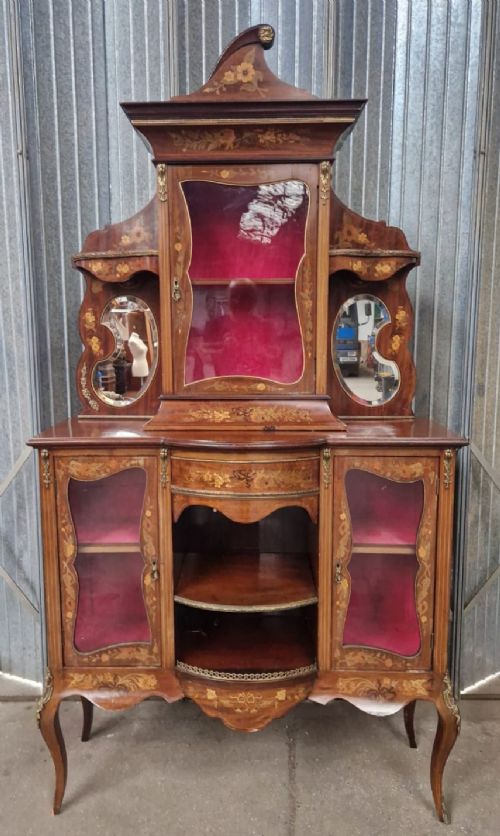
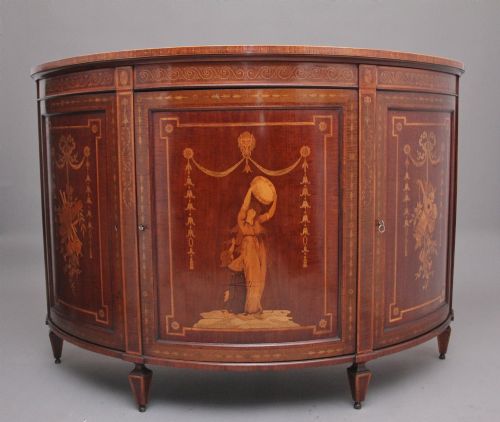
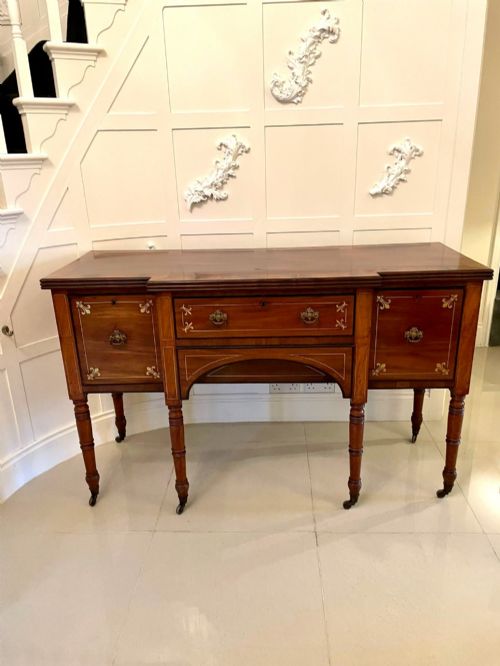
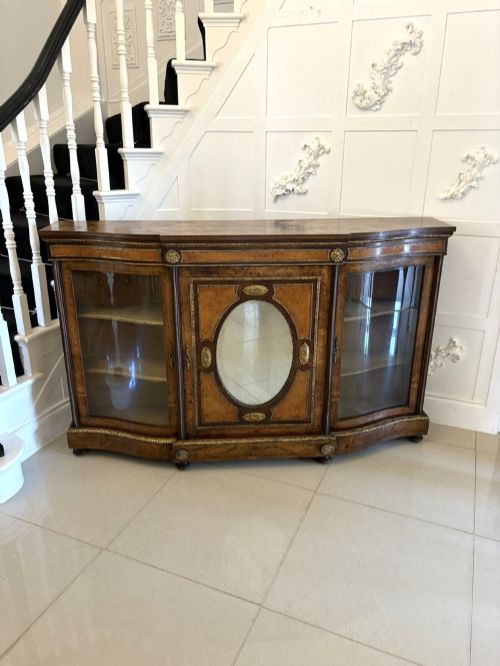
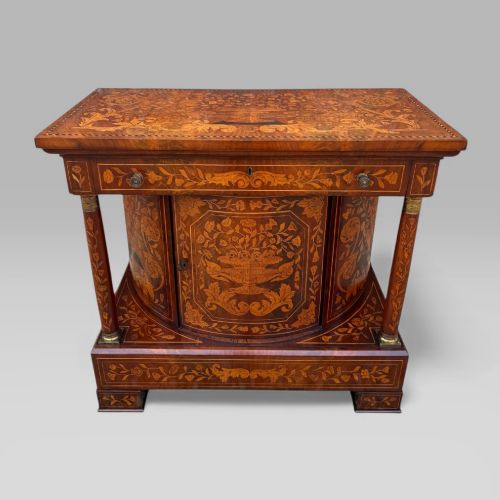
Makers utilised various formats including bow-fronts, breakfront credenzas, and marble-topped commodes. Surfaces often incorporate intricate marquetry or parquetry panels alongside brass mounts and glazed doors.
Materials and Construction
Cabinetmakers built carcases using sturdy primary woods such as mahogany, oak, and walnut, frequently applying figured veneers like burr walnut and flame mahogany to visible surfaces. Satinwood, ebony, and boxwood provided contrasting tones for detailed banding and pictorial inlay.
Decorative embellishments relied on skilled marquetry techniques alongside cast or chased ormolu mounts and porcelain plaques. Secondary structural elements commonly included oak and deal, reflecting traditional workshop practices of the eighteenth and nineteenth centuries.
Several Victorian cabinets include hidden compartments designed for secreting silver teaspoons away from light-fingered staff.
Judging Quality and Execution
Superior examples distinguish themselves through the precision of the cabinetwork and the subtlety of the timber selection. Grain matching across drawer fronts and doors indicates careful planning by the maker, while crisp, unfaded inlay work signals better preservation and material choice.
The integration of metal mounts, such as ormolu highlights or brass gallery rails, separates standard production from exceptional work. Finer pieces maintain original surface patination and tight joinery throughout the carcase and internal drawers.
Hewetsons London·Collinson & Lock·Edwards & Roberts
The Antique Inlay Sideboard Glossary
- Marquetry
- A technique where pieces of different coloured veneers are fitted together to form pictorial or decorative patterns on a wooden surface. This method creates the elaborate floral motifs seen on many nineteenth-century credenzas.
- Serpentine
- A furniture shape characterised by a gently undulating front that curves inward in the centre and outward at the sides. This contour requires advanced woodworking skill to execute properly.
- Credenza
- A low cabinet, originally Italian in origin, adapted in the Victorian era as a formal display piece often flanked by curved glass side cupboards. These pieces frequently combine marquetry with ormolu mounts.
- Ormolu
- Gilded bronze used for decorative mounts, feet, and gallery rails on cabinet furniture. It adds metallic contrast to dark woods like rosewood and ebonised timber.
- Parquetry
- Geometric wood inlay arranged in patterns such as cubes or chequers. It appears frequently on French commodes and English sideboards.
Antique Inlay Sideboard: Frequently Asked Questions
How do I date an inlaid sideboard?
Examine the timber species, construction methods inside the drawers, and the overall style of the inlay. Georgian pieces tend to show restrained classical motifs on mahogany or satinwood, whereas Victorian examples often feature bold burr walnut and elaborate floral marquetry.
Secondary woods inside the carcase provide further clues. Oak and deal linings align with nineteenth-century workshop practices, while subtle changes in handle style and foot design help narrow down the decade.
What is the difference between a sideboard and a credenza?
Traditional sideboards function primarily as dining room servers with drawers and cupboards for storing tableware. Credenzas typically stand lower to the ground and place greater emphasis on central display cupboards flanked by curved glass sections.
Many Victorian pieces blur these lines by combining storage capacity with extensive glazing and porcelain mounts intended for drawing room display.
Where should I place an antique sideboard?
These pieces suit dining rooms, large hallways, or drawing rooms where their surface length and decorative inlay can be appreciated. Ensure the location avoids direct sunlight to protect delicate veneers and natural wood finishes from fading.
Allow sufficient clearance for doors and drawers to open fully, particularly with serpentine or bow-front shapes that extend further into the room.