

Antique Inlay Coffer
An antique inlay coffer is a robust wooden storage chest decorated with contrasting woods, metals, or bone, offering practical storage alongside centuries of craft.
Antique Inlay Coffer
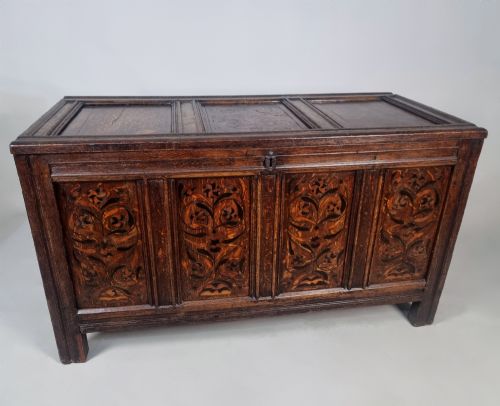
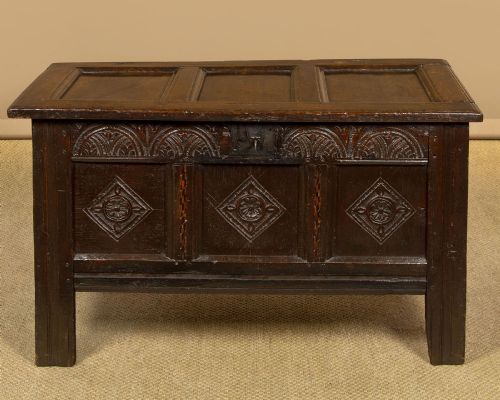
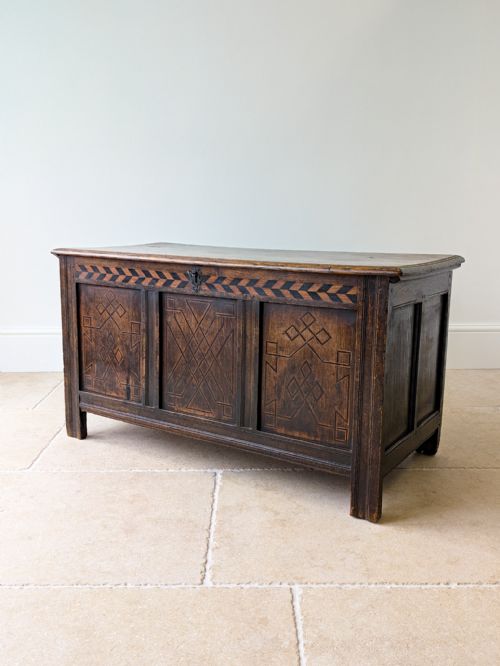
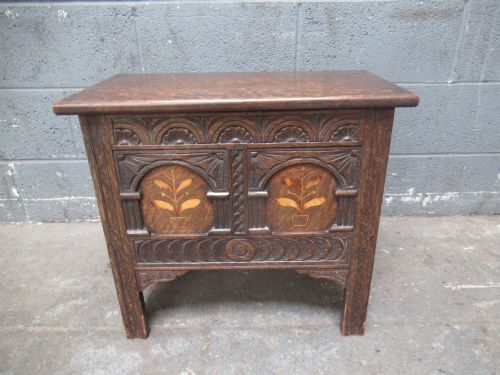
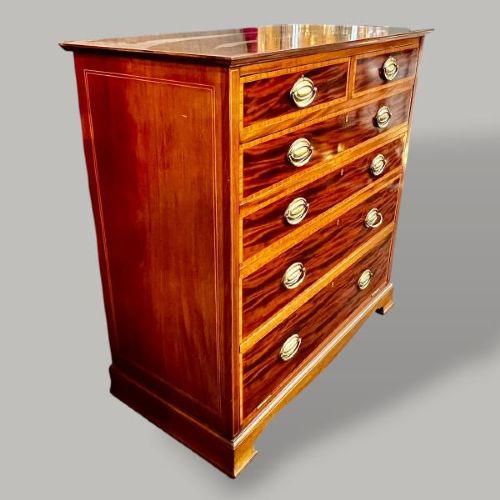
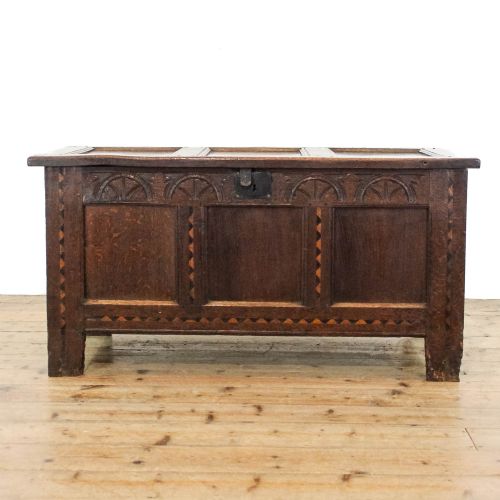
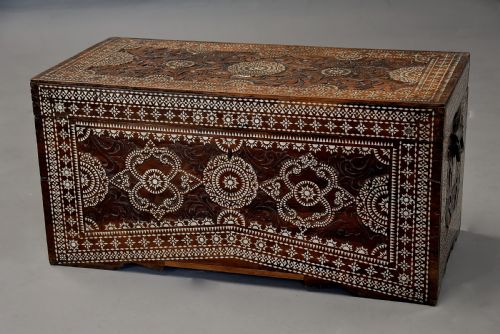
An antique inlay coffer serves as a traditional storage vessel for household goods, blankets, and valuables, distinguished by decorative surface ornamentation set into the wood. These pieces range from substantial 17th-century oak and walnut receptacles to later continental and regional examples incorporating geometric marquetry or banded panels.
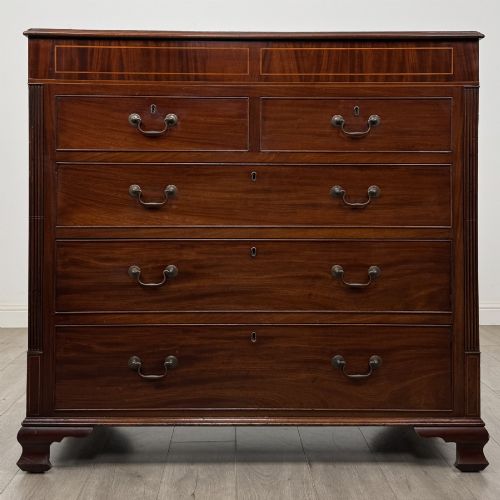
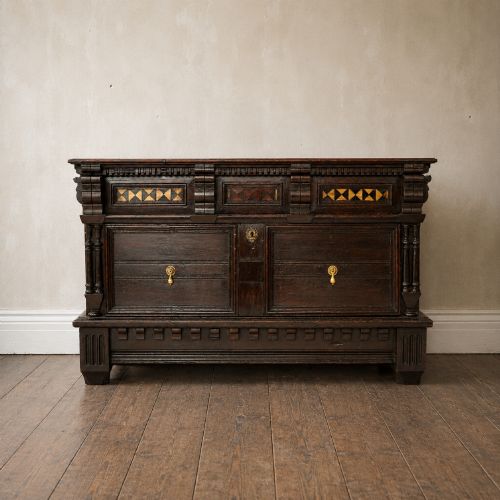
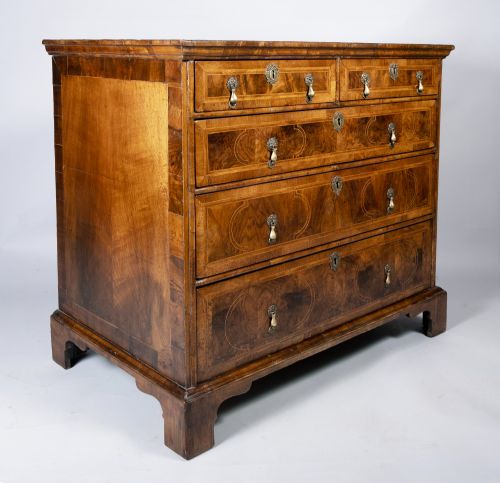
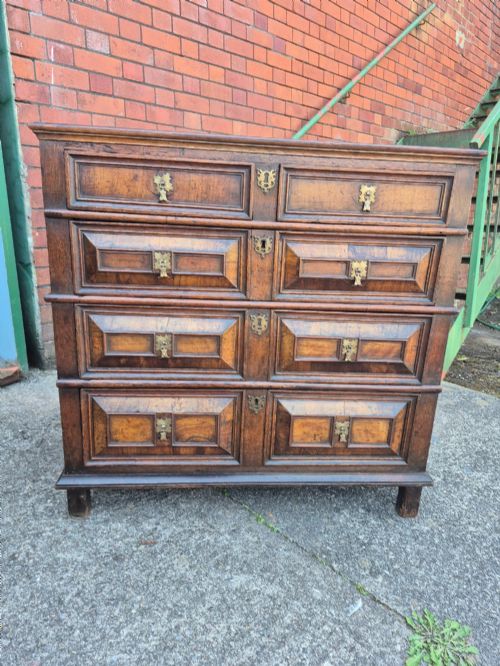
The version most commonly encountered on this page is the early oak coffer featuring period marquetry or inlaid panels, often dating to the 17th century or the 18th century. Alongside these, buyers frequently find walnut, fruitwood, and mahogany chests originating from diverse stylistic traditions including Jacobean, Georgian, and Victorian periods.
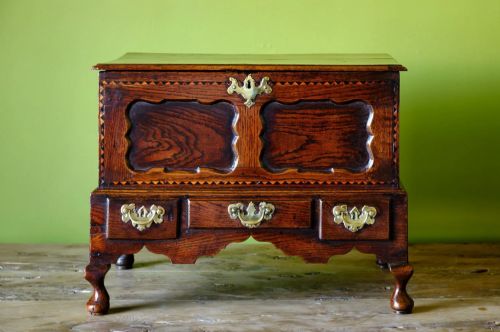
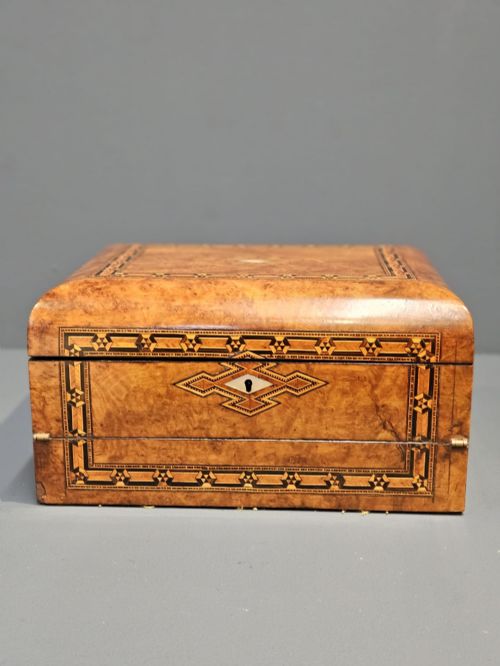
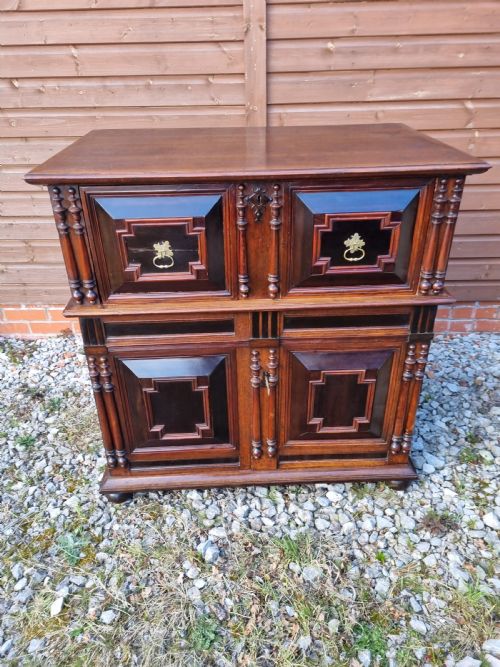
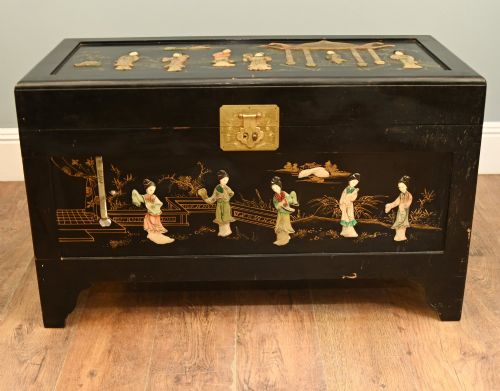
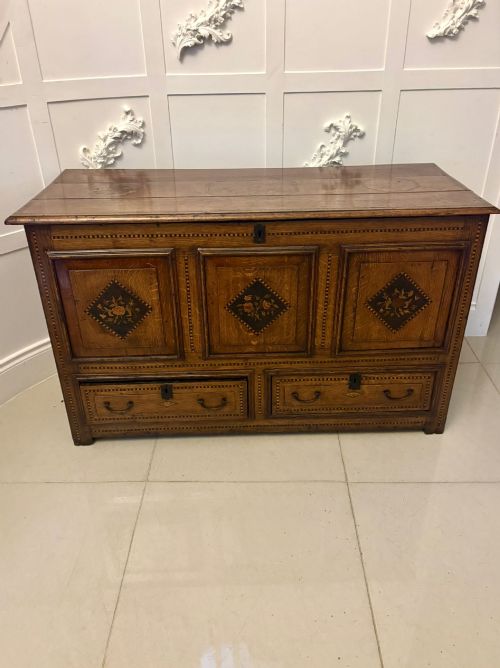
Beyond standard domestic coffers, related forms appear across the selection, including mule chests equipped with lower drawers, dowry chests, and smaller table caskets. Regional variations extend to Middle Eastern trunks, Indian camphor or teak storage boxes, and Italian bone-inlaid table caskets.
How They Were Made
Carpenters constructed these chests primarily using sturdy timbers such as oak, walnut, and mahogany, frequently pairing them with contrasting fruitwood, snakewood, ebony, or satinwood for decorative effect. Metal components like iron, brass, and occasional mother-of-pearl or bone inserts further accentuated the surfaces.
Makers applied surface ornamentation through techniques like marquetry, where thin veneers or solid wood pieces were fitted into recessed channels to form geometric or pictorial patterns. Framework often relied on traditional joinery, utilising pegged mortise and tenon joints to ensure structural stability across centuries of use.
Antique Inlay Coffer Retail Price Guide 2026
Typical asking prices for inlay coffer among the pieces listed under this phrase on Sellingantiques today, from the lower quarter to the upper quarter. They describe what is for sale here now, not the wider market.
The listings span multiple centuries, ranging from 16th-century oak coffers to Edwardian mahogany pieces and 1920s storage boxes.
What Varies in Quality
The standard of an antique inlay coffer depends largely on the precision of the joinery and the complexity of the wood selection. Superior examples display tight, flush fitting where the decorative elements meet the primary timber, maintaining visual harmony across panels and lids.
Age and original state of preservation also dictate the standing of a piece, particularly regarding the survival of early marquetry and patination on oak or walnut surfaces. Greater refinement is evident in pieces that retain their original hinges, locks, and internal compartments without extensive later alterations.
Whytock & Reid
The Antique Inlay Coffer Glossary
- Marquetry
- The art of applying pieces of veneer to a structure to form decorative patterns or pictures. It differs from inlay by covering the entire surface rather than being set into carved recesses.
- Mule Chest
- A traditional storage chest fitted with one or more drawers beneath the main compartment. This form bridges the gap between the traditional coffer and the chest of drawers.
- Casket
- A smaller box or chest designed for holding jewels, documents, or precious items. These often display meticulous decorative work in bone, ivory, or fine woods.
Antique Inlay Coffer: Frequently Asked Questions
What is an antique inlay coffer used for?
These chests were originally built to store valuable household possessions, textiles, and documents securely within the home.
Today, they serve equally well as practical storage furniture for blankets and living room items while functioning as decorative focal points.
How do I date an antique coffer?
Dating relies on examining the construction methods, such as hand-cut dovetails, pegged joints, and the type of secondary timbers used.
Stylistic markers like Jacobean arcading or 18th-century geometric marquetry also provide clear indications of the period of manufacture.
Are these chests suitable for daily use?
Solid timber construction and robust joinery make these chests remarkably durable for holding everyday items like winter linens.
Care should be taken to maintain stable humidity levels in the room to protect the aged wood and delicate inlay work.
What is the difference between a coffer and a mule chest?
A standard coffer consists of a single deep compartment accessed solely through a hinged lid at the top.
A mule chest incorporates one or more functional drawers beneath the main storage well, offering easier access to smaller items.