

Antique Inlaid Wood
Antique inlaid wood brings together centuries of cabinet-making skill, offering patterned surfaces of walnut, mahogany, and satinwood designed to catch the eye.
Antique Inlaid Wood
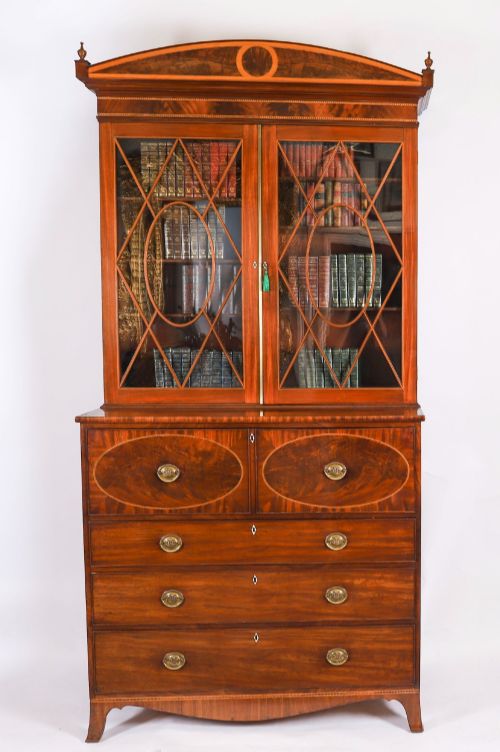
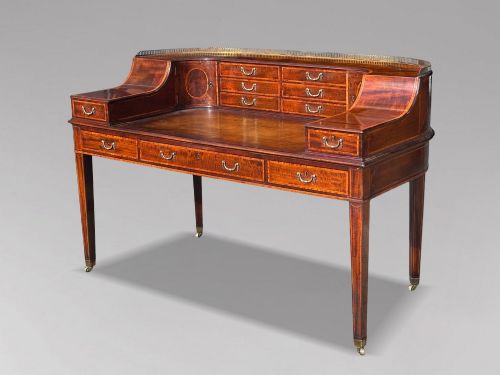
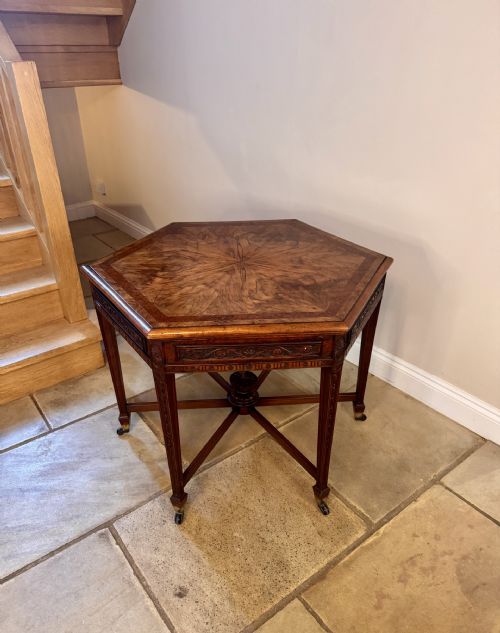
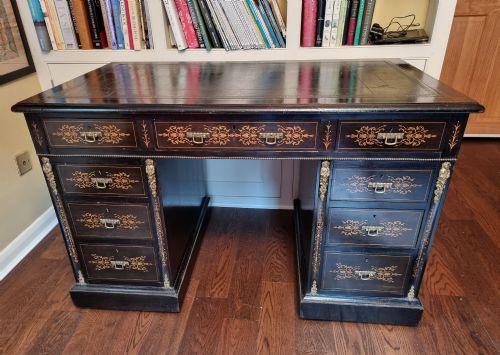
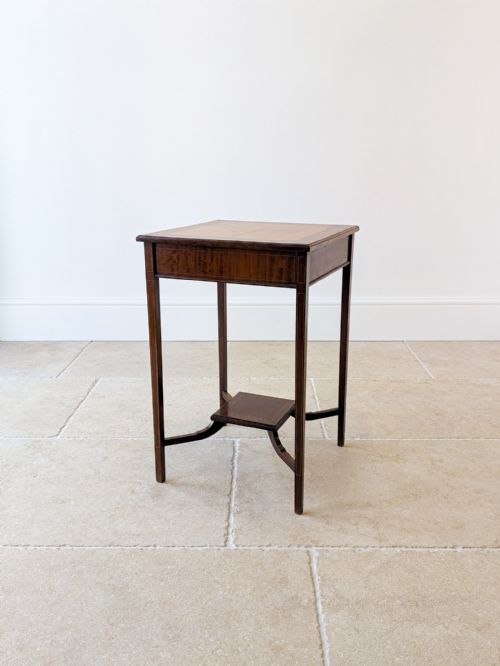
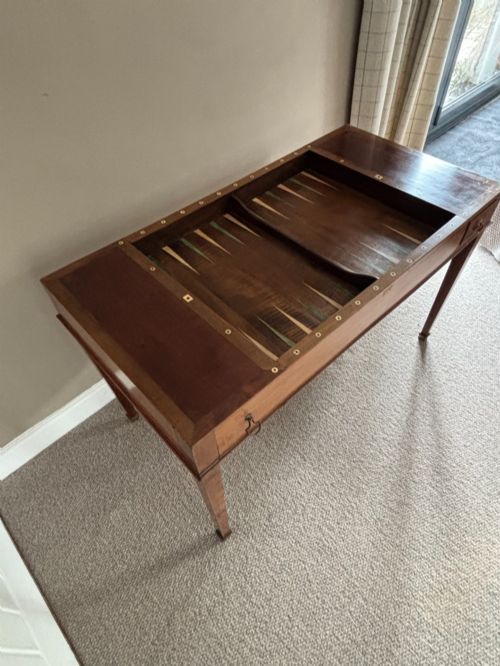
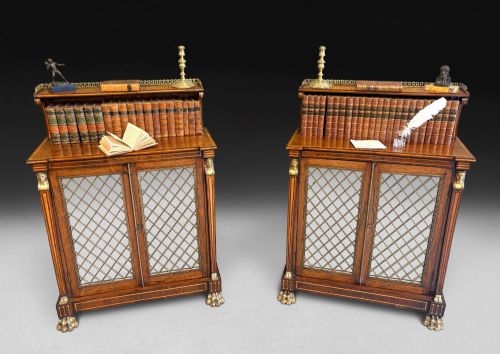
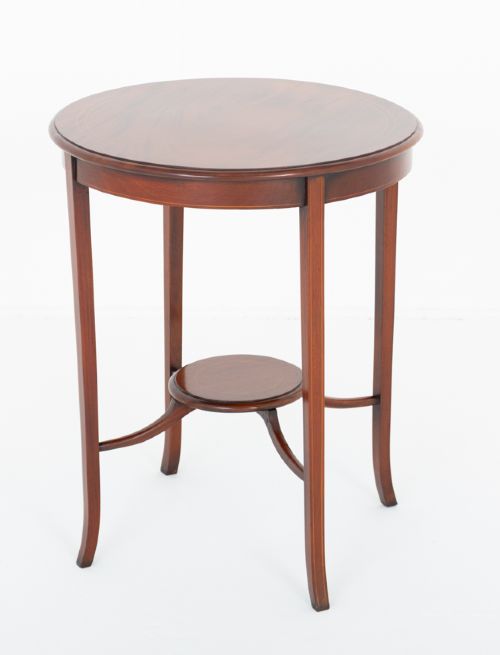
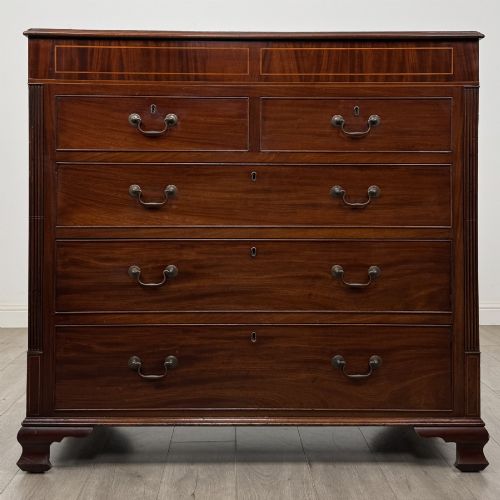
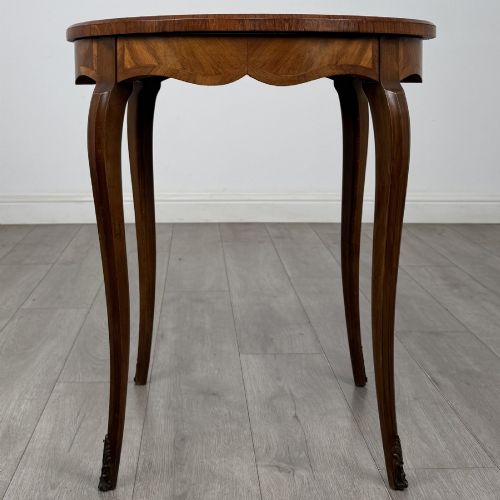
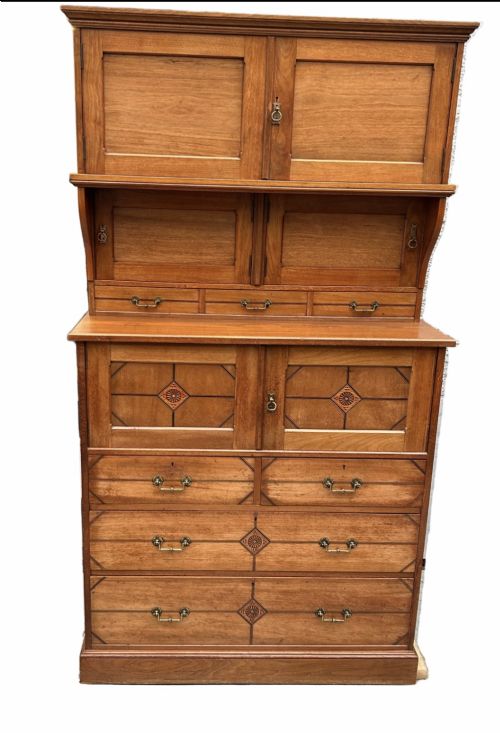
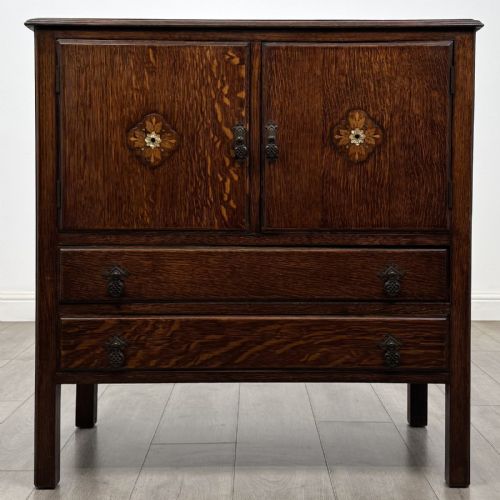
When searching for antique inlaid wood, buyers encounter a wide variety of furniture and decorative objects spanning the Georgian, Victorian, and Edwardian eras. The selection on this page leans heavily towards practical household forms such as side tables, card tables, chests of drawers, and display cabinets.
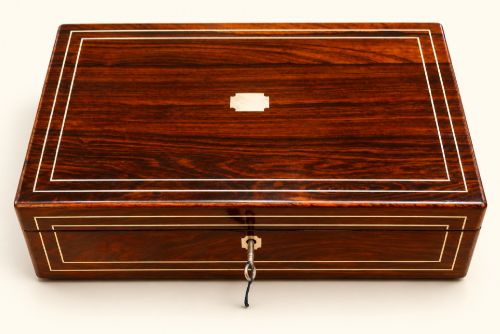
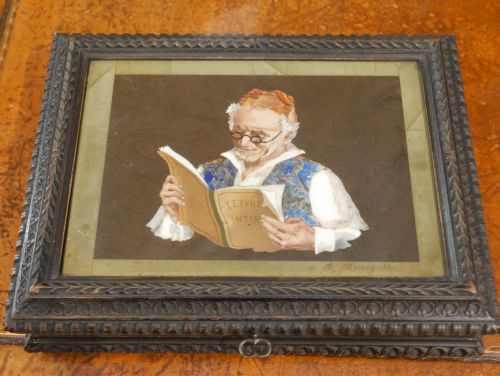
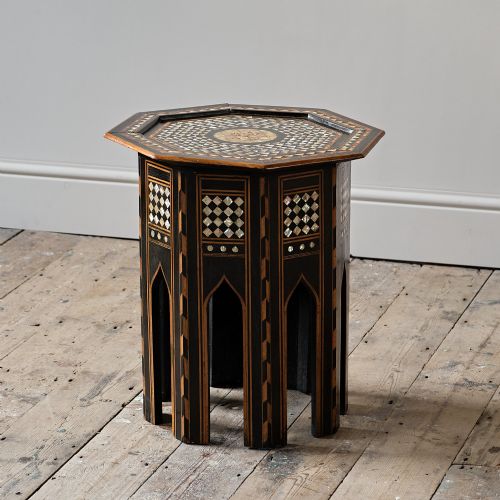
Smaller decorative items also appear regularly, including tea caddies, desk boxes, and occasional tables featuring intricate surface patterns. These pieces range from restrained English Georgian designs to more ornate Victorian marquetry and Edwardian satinwood pieces.
Originating from British, French, Italian, and Scandinavian workshops, these items demonstrate how different makers utilised contrasting timbers to ornament everyday furniture. The surviving examples show a continuous tradition of surface decoration across the eighteenth, nineteenth, and early twentieth centuries.
How they were made
Cabinet-makers relied on solid structural carcases of mahogany, walnut, or oak, onto which thin veneers and decorative inlays were applied. Woods such as boxwood, satinwood, and ebony provided sharp colour contrast for geometric lines, classical swags, or floral motifs.
Marquetry technique involved cutting pictorial or patterned designs from multiple veneers assembled like puzzles before gluing them to the substrate. Specialist workshops also incorporated brass, mother of pearl, and fruitwoods to add texture and tonal variety to table tops and cabinet doors.
Antique Inlaid Wood Retail Price Guide 2026
Typical asking prices for inlaid wood among the pieces listed under this phrase on Sellingantiques today, from the lower quarter to the upper quarter. They describe what is for sale here now, not the wider market.
Listings feature items spanning the eighteenth century through to the 1930s, showcasing walnut, mahogany, satinwood, and rosewood.
What varies in quality
The division between standard production and exceptional work rests on the precision of the timber fitting and the complexity of the design. Superior examples display seamless joins where contrasting woods meet, with hand-cut details that remain crisp and flush with the surrounding surface.
Drawer construction, timber selection for secondary woods, and the depth of the marquetry shading separate basic workshop output from master cabinet-making. Grain alignment and the natural ageing of the polish further influence the visual depth of the finished piece.
Waring and Gillow·Taylor of London
The Antique Inlaid Wood Glossary
- Marquetry
- The art of creating decorative pictures or patterns on furniture surfaces using fitted pieces of veneer. This technique differs from simple inlay by assembling an entire picture sheet before application.
- Satinwood
- A durable tropical timber with a lustrous yellow sheen utilised extensively for banding and fine stringing. Makers favoured it for creating bright contrast against darker mahogany grounds.
- Boxwood
- A dense, pale wood employed for delicate geometric lines and floral stems within stringing work. Its tight grain allows for extremely sharp cutting.
- Stringing
- Very narrow strips of contrasting timber embedded into grooves on table tops and drawer fronts. This linear detail defines panel borders and outlines geometric shapes.
- Pier cabinet
- A low shelving unit designed to stand against the wall space between windows. These pieces often feature glazed doors and elaborate top marquetry.
Antique Inlaid Wood: Frequently Asked Questions
How do I clean antique inlaid wood?
Dust surfaces regularly with a soft, dry cloth to prevent grit accumulation in the grain and veneer joints. Avoid using modern aerosol polishes, water, or silicone sprays, which can penetrate lifting veneer and damage old finishes.
Apply a microcrystalline wax sparingly once or twice a year to nourish the timber and protect the polish. Buff gently with a clean cloth to maintain a natural, soft sheen without creating excessive buildup.
Can I use an inlaid table daily?
Most antique tables and cabinets handle normal daily use provided they sit away from direct heat sources and strong sunlight. Placing coasters under glasses and felt pads under objects prevents rings and scratches on the delicate veneer.
Keep rooms at a stable humidity level to stop the underlying wood from expanding and causing the inlay to warp or lift. Gentle care ensures these decorative surfaces survive for future generations.
How do I date an inlaid cabinet?
Examine the secondary timbers inside the drawers and the construction methods used for the joints. Hand-cut dovetails and native secondary woods typically point towards Georgian or early Victorian origins, while machine-cut elements suggest later dates.
The style of the inlay, such as neoclassical urns or heavy Victorian floral marquetry, provides strong clues to the decade of manufacture. Comparing the hardware, hinges, and locks to known period examples narrows the timeline further.
What is the difference between inlay and marquetry?
Inlay involves carving a recess into a solid wood surface and gluing a fitted piece of contrasting timber into that cavity. It usually creates geometric lines, borders, or simple shapes.
Marquetry assembles an entire pictorial or decorative veneer puzzle on a paper backing before gluing the complete sheet to the furniture carcase. This technique allows for complex floral arrangements, landscapes, and elaborate scrollwork.