

Antique Inlaid Oak Furniture
Antique inlaid oak furniture spans centuries of craftsmanship, combining robust timber with intricate decorative details that bring character and history to any interior.
Antique Inlaid Oak Furniture
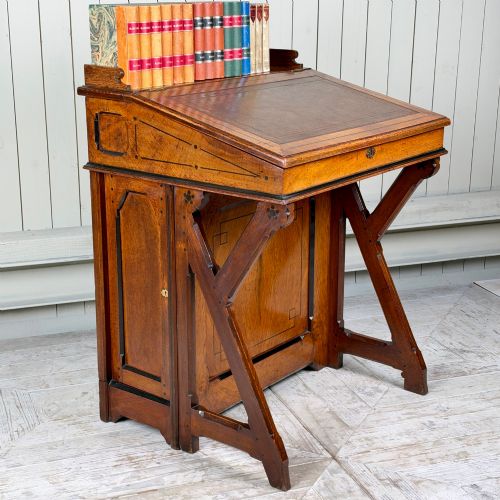
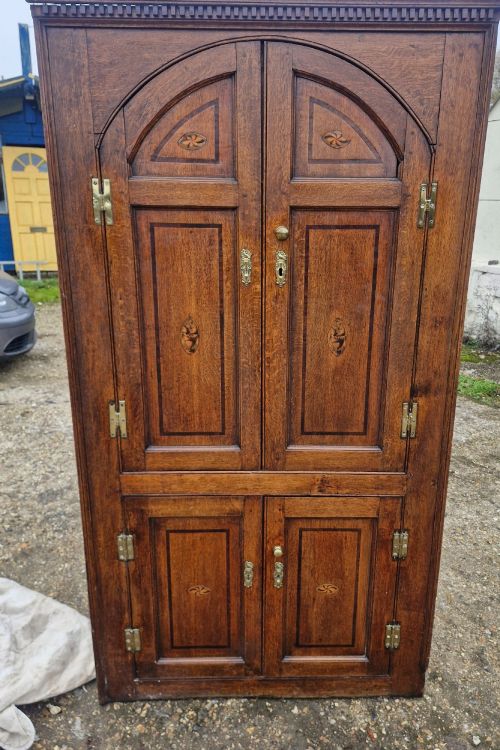
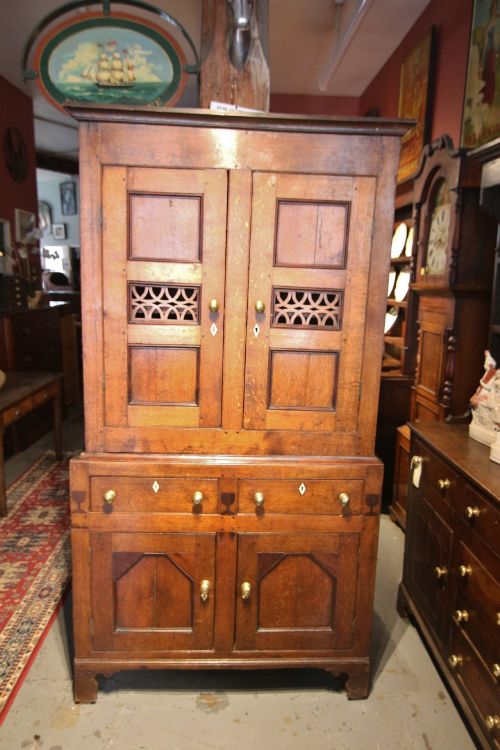
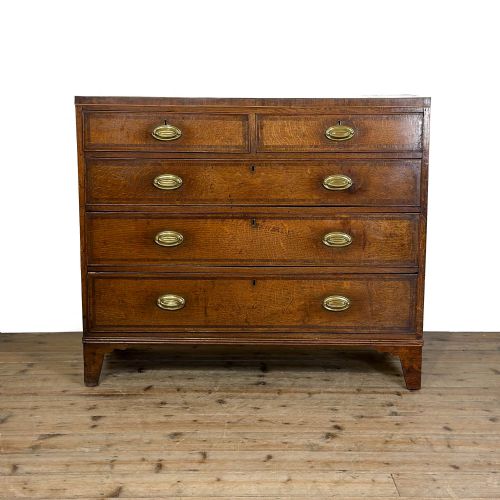
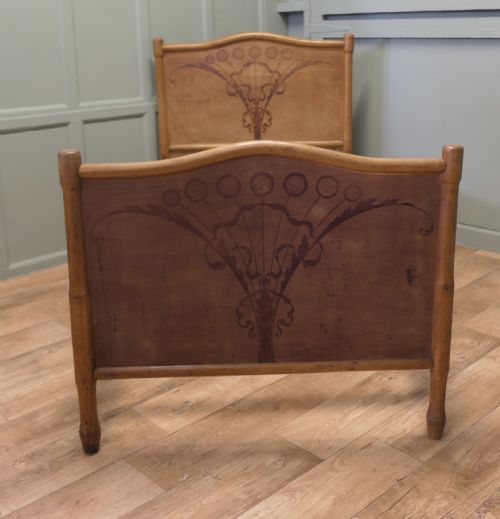
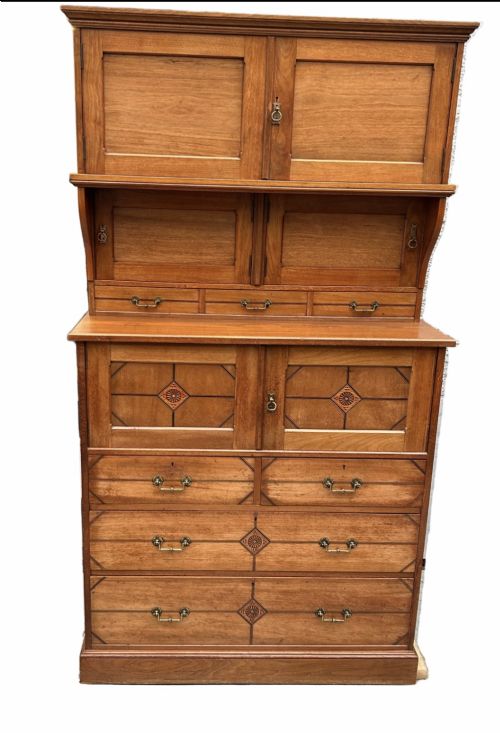
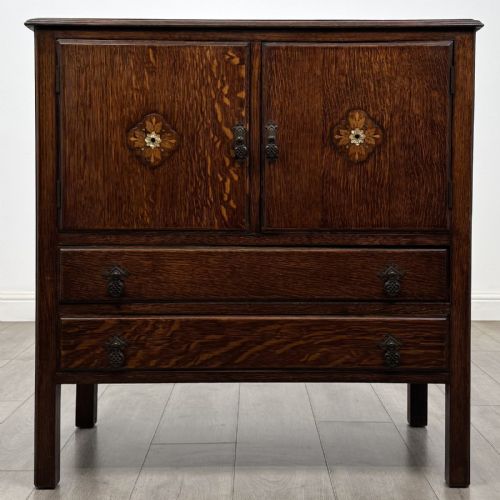
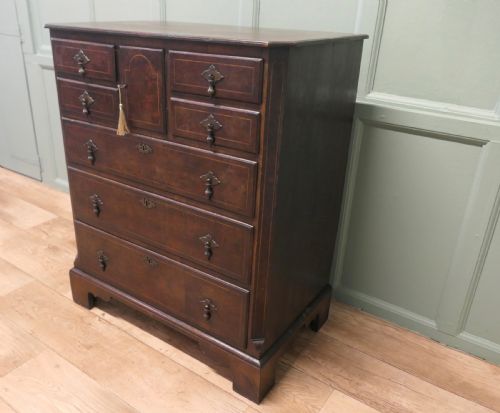
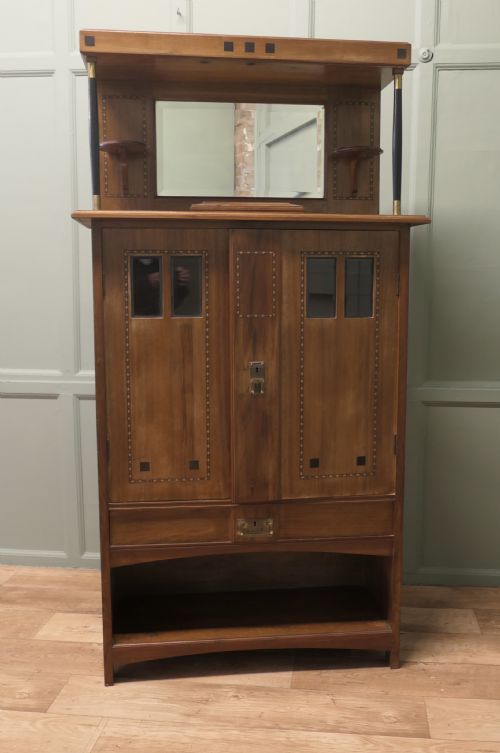
When you search for antique inlaid oak furniture, you encounter a diverse range of domestic pieces designed for storage, display and daily utility. These items bridge utilitarian purpose and ornamental design through contrasting wood details.
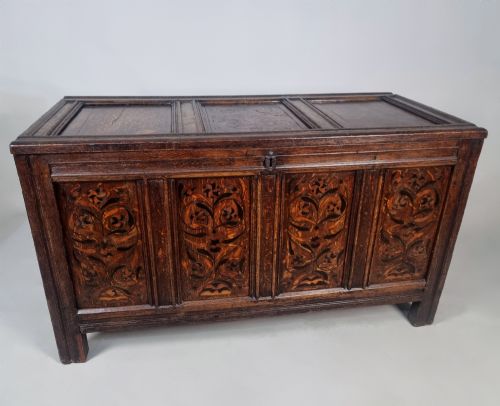
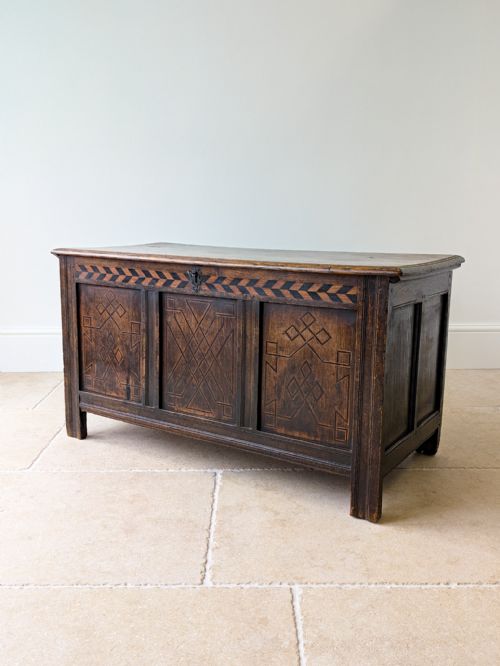
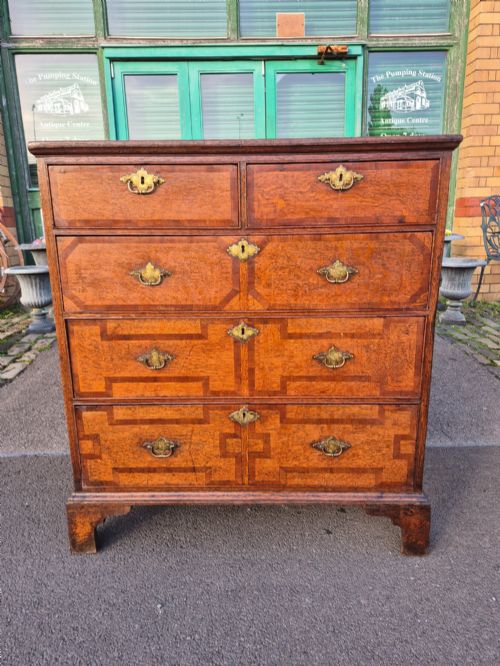
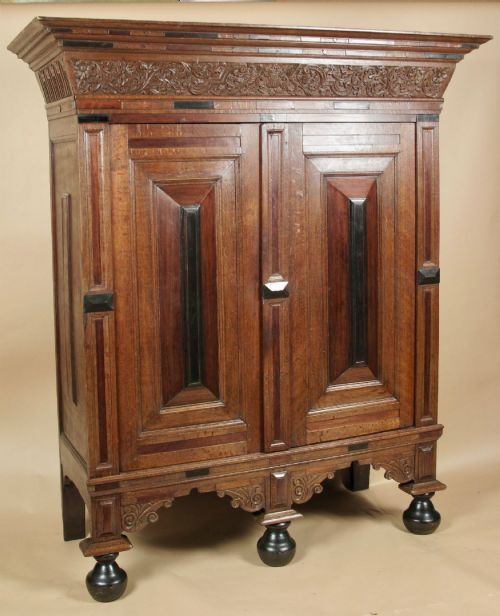
The pieces appearing on this page most commonly include chests of drawers, coffers, cupboards and side tables originating from the seventeenth century through to the Edwardian period. Regional vernacular traditions sit alongside formal stylistic movements.
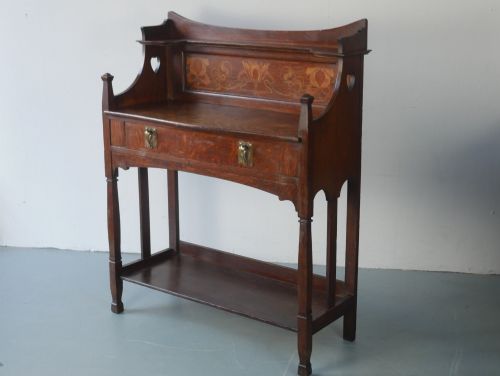
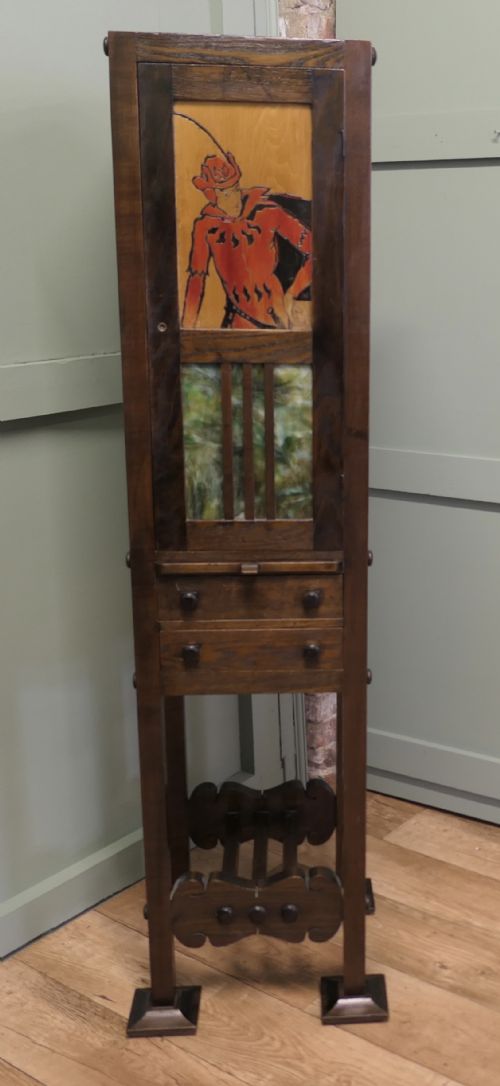
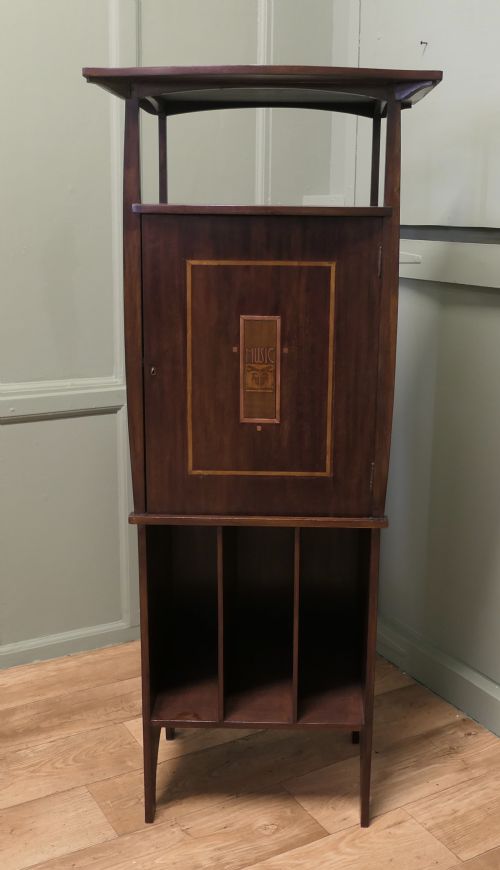
Early examples showcase seventeenth-century joinery with geometric or marquetry panels, while later nineteenth-century items reflect the revivalist tendencies of the Arts and Crafts and Aesthetic movements.
How they were made
Cabinet makers utilised solid oak as the primary structural timber, often complemented by secondary woods such as walnut, fruitwood and mahogany for contrasting elements. Panels and frames were joined using traditional methods suited to the rigidity of the timber.
Inlay techniques incorporate wood inlay and marquetry, setting lighter or darker botanical and geometric motifs flush into the oak surface. Additional detailing relies on brass hardware, glass panels and occasionally ebony or rosewood stringing.
Antique Inlaid Oak Furniture Retail Price Guide 2026
Typical asking prices for inlaid oak furniture among the pieces listed under this phrase on Sellingantiques today, from the lower quarter to the upper quarter. They describe what is for sale here now, not the wider market.
A seventeenth-century coffer survives simply because someone stored bread and cheese inside it.
What varies in quality
Quality in these pieces rests upon the precision of the joinery and the finesse of the inlay work. Finer items display crisp execution in their botanical or geometric patterns and retain their original structural integrity.
The depth of colour in the timber and the subtlety of the contrasting wood selection distinguish superior workshops from standard vernacular production. Proportion and the survival of untouched surface patination further elevate the standing of a piece.
Shapland & Petter·H Ogden of Manchester·Jacob and Joseph Kohn·JS Henry·Liberty & Co.·William Birch·Wright & Hunter of Belfast
The Antique Inlaid Oak Furniture Glossary
- Cofer
- A large wooden chest used historically for storage, often featuring heavy panels and robust joinery. Seventeenth-century examples frequently incorporate marquetry or inlaid geometric designs.
- Marquetry
- The art of applying small pieces of veneer to a structure to form decorative patterns. This technique creates pictorial or geometric ornamentation on drawer fronts and lid panels.
- Mule chest
- A traditional storage chest fitted with one or more drawers at the base beneath the main compartment. They bridge the evolution between simple coffers and full chests of drawers.
- Dresser
- A kitchen or dining room piece comprising shelving above a base of drawers and cupboards. Welsh regional variants often exhibit distinct proportions and inlaid detailing.
- Aesthetic movement
- A late nineteenth-century design style emphasising visual beauty over narrative subject matter. Furniture from this period frequently combines dark oak with contrasting ebony and brass highlights.
Antique Inlaid Oak Furniture: Frequently Asked Questions
How do I date an oak coffer?
Dating relies on construction methods, hinge types, and the style of any carved or inlaid panels. Seventeenth-century pieces typically show pegged mortise and tenon joints alongside hand- cleft boards.
Changes in locking mechanisms and the evolution of decorative motifs from geometric strapwork to floral marquetry provide further chronological markers.
What is the difference between oak and walnut furniture?
Oak offers a heavy, open-grained texture with high durability, making it the backbone of early vernacular English furniture. Walnut provides a finer, smoother grain with a richer natural colour.
Cabinet makers often combined the two timbers, using oak for structural framing and walnut for contrasting decorative panels or veneer.
How should I care for antique oak pieces?
Maintain stable humidity levels and keep wooden items away from direct heat sources to prevent the timber from splitting. Regular dusting with a dry, soft cloth preserves the surface.
Occasional application of traditional beeswax feeds the grain and maintains the natural lustre without building up heavy synthetic residues.
What distinguishes Arts and Crafts oak furniture?
Arts and Crafts pieces emphasise visible construction marks, honest materials, and handcrafted detail over machine-made uniformity. They often feature Celtic knot handles or subtle inlaid motifs.
Makers working in this tradition sought to revive traditional joinery techniques while creating functional domestic objects for modern living.