


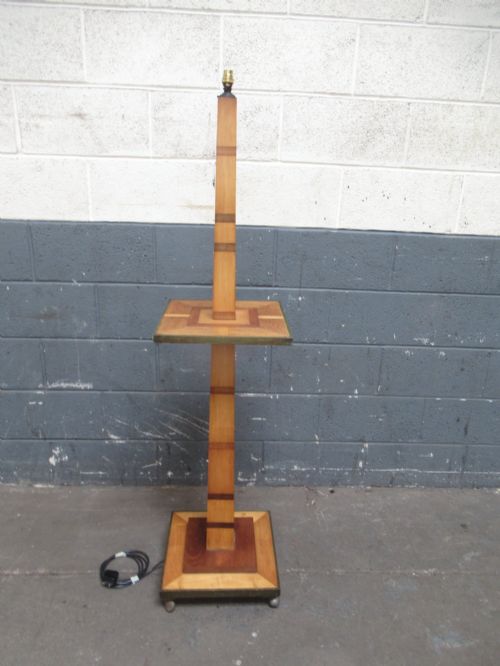
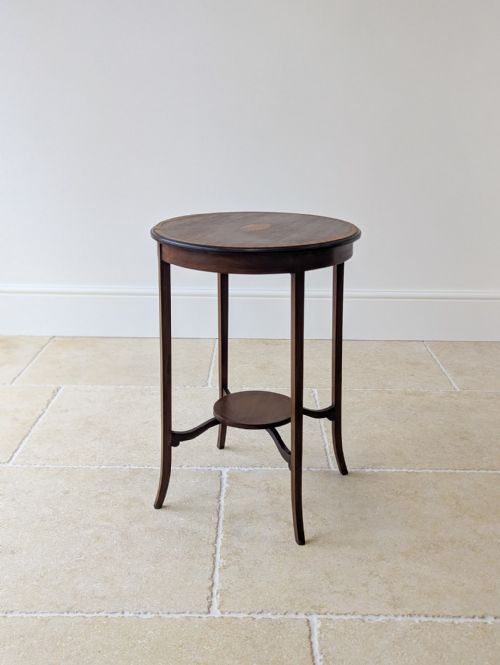
Antique Inlaid Lamp Stand
An antique inlaid lamp stand brings refined timber, careful marquetry, and compact elevation to a corner or beside a chair.
Antique Inlaid Lamp Stand
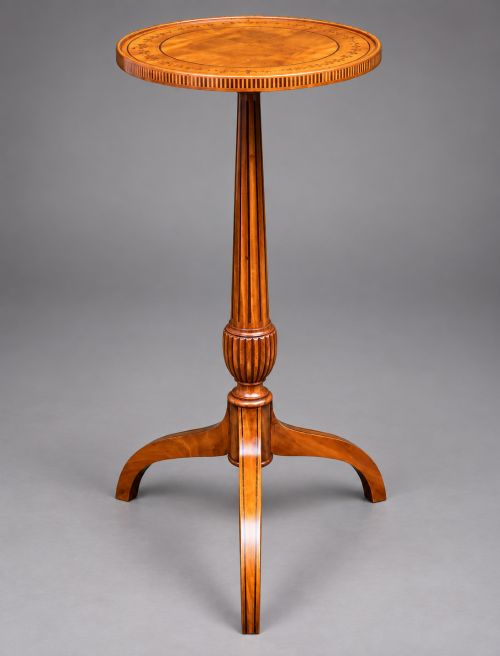
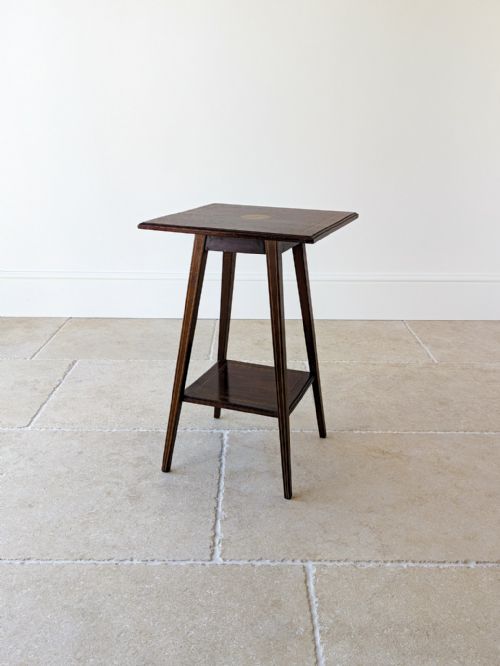
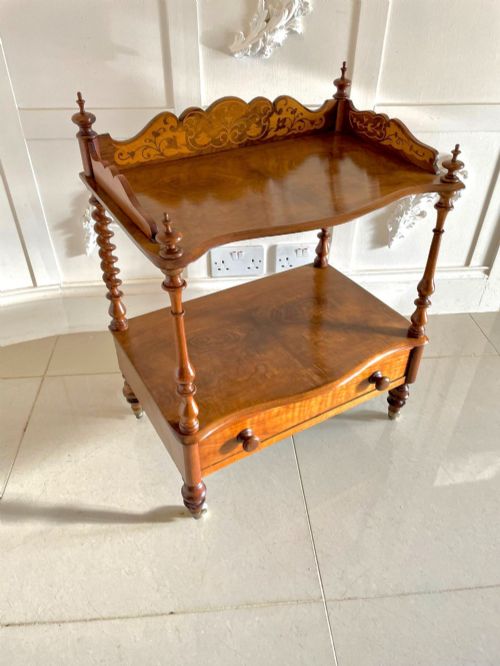
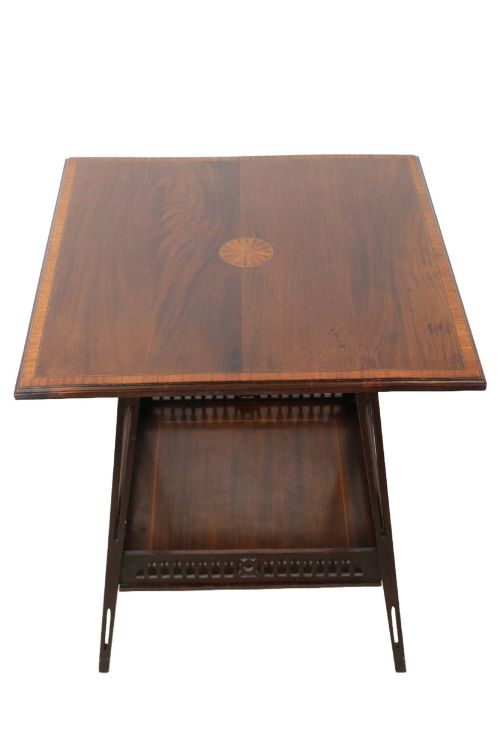
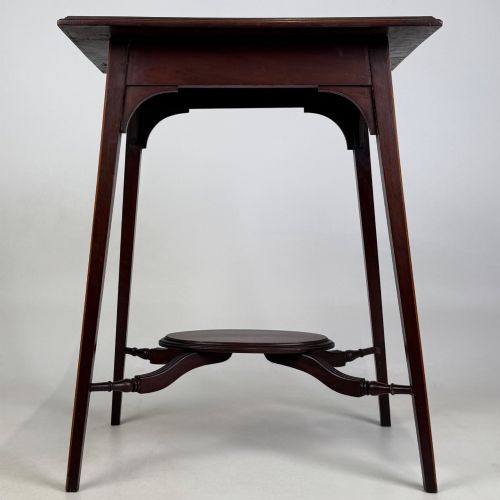
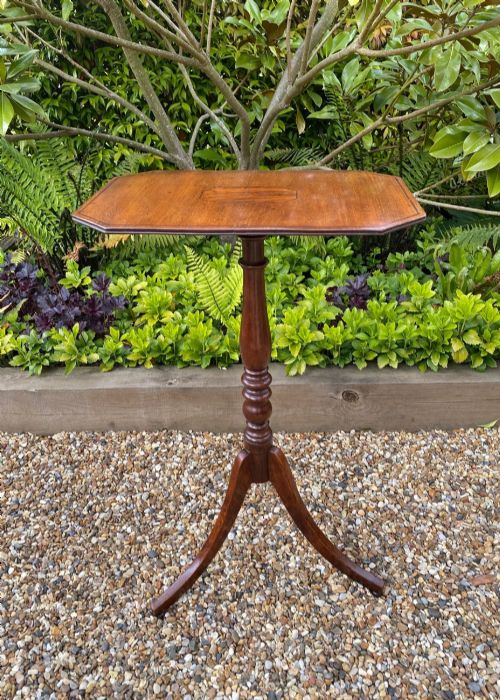
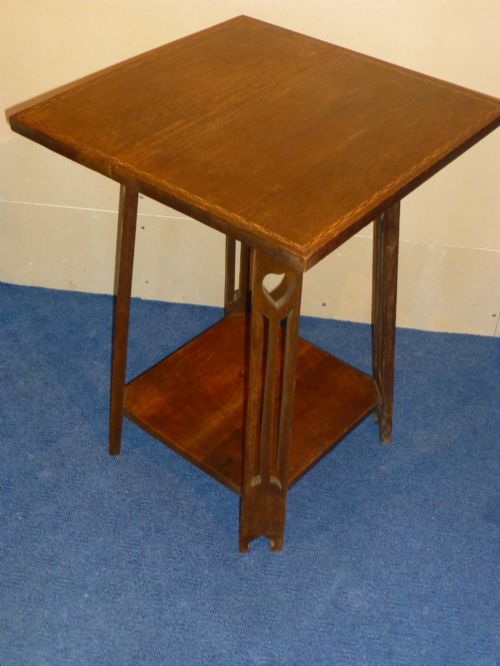
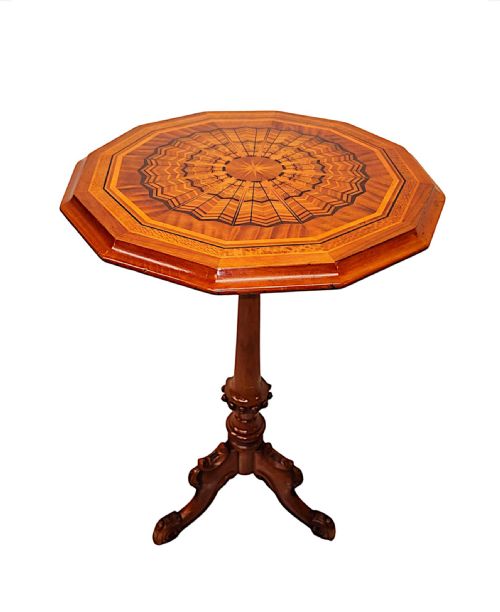
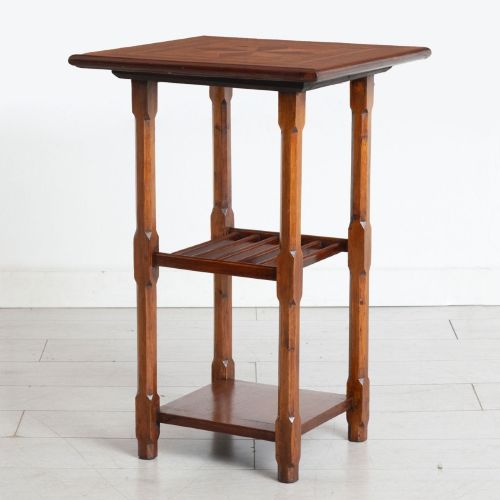
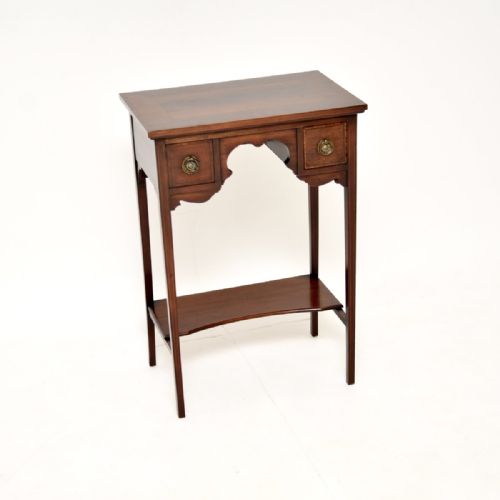
An antique inlaid lamp stand takes many forms across the listings, appearing most frequently as an Edwardian or Victorian occasional table, side table, or dedicated lamp table in mahogany and satinwood.
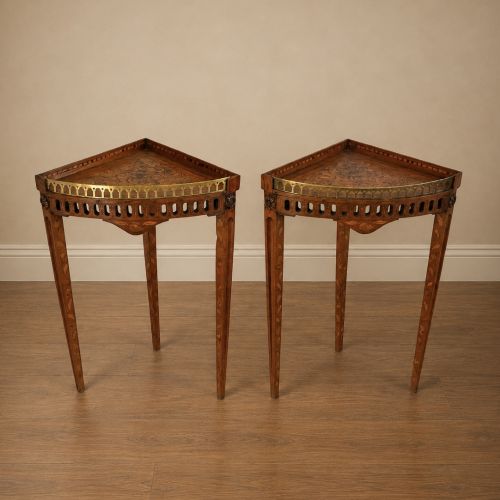
Makers and makers' workshops also produced specific variations like wine tables, bedside cabinets, and corner tables, all adapted to hold lighting or display decorative items.
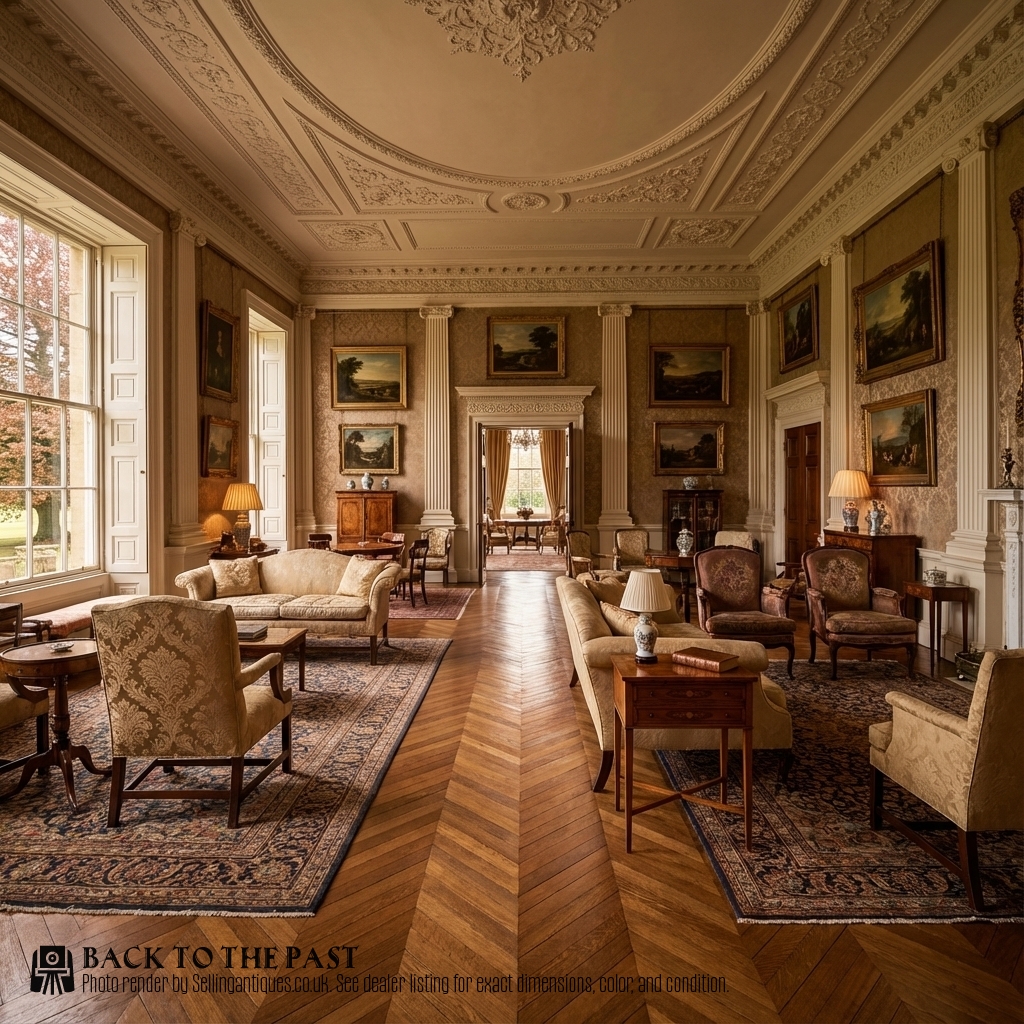
The surviving pieces bridge utilitarian domestic items and decorative furniture, utilising compact proportions suited to period and modern interiors alike.
How they were made
Cabinet makers utilised dense primary timbers such as mahogany, rosewood, burr walnut, and satinwood, chosen for their rich grain and stable surfaces.
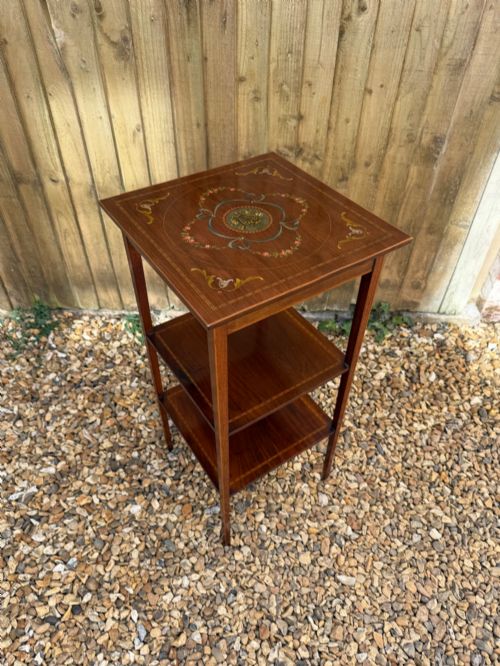
Decoration relied on contrasting lighter woods like boxwood inlay, bone, and brass stringing, creating geometric borders and floral marquetry motifs set flush into the tabletops.
The documented forms include octagonal lamp tables, corner stands, two-tier occasional tables, and bedside cabinets with marquetry inlay.
What varies in quality
Quality rests in the crispness of the inlay work and the selection of the underlying veneer, where burr walnut or figured mahogany displays superior depth and grain movement.
The structural integrity of the legs, pedestals, and brass galleries determines longevity, distinguishing finely turned or carved supports from simpler commercial production.
Trevor Page And Co·William Birch·Liberty And Co·Gillows·George Bullock
The Antique Inlaid Lamp Stand Glossary
- Marquetry
- Decorative patterns formed by fitting together small pieces of veneer into a wood foundation. This technique allows for complex pictorial or geometric designs across tabletops.
- Satinwood
- A durable, lustrous timber native to India and Ceylon displaying a golden sheen. It serves as a favored surface for intricate inlaid tabletop decoration.
- Boxwood
- A dense, pale wood utilised extensively for stringing and contrasting inlay details. Its light colour makes fine geometric lines stand out sharply against dark mahogany or rosewood.
- Brass Gallery
- A low metal railing fitted around the perimeter of a tabletop. It prevents items from sliding off and adds a refined decorative border.
- Sheraton Revival
- A late nineteenth and early twentieth-century design movement inspired by the neoclassical furniture of George Sheraton. Pieces in this style feature light proportions, satinwood, and delicate marquetry.
Antique Inlaid Lamp Stand: Frequently Asked Questions
What is an antique inlaid lamp stand used for?
These pieces were designed to hold small oil lamps, candles, or decorative ornaments beside seating furniture in principal rooms.
Today, they function as versatile accent surfaces for modern lighting, small plants, or drinks in domestic settings.
How do I identify an Edwardian lamp table?
Edwardian examples typically feature lighter mahogany frames, satinwood banding, and delicate boxwood stringing dating from the early twentieth century.
They often incorporate Sheraton Revival motifs, contrasting sharply with the heavier, darker walnut and rosewood styles of the Victorian era.
Are these tables sturdy enough for daily use?
Most pieces possess robust hardwood frames built to withstand everyday domestic demands despite their slender proportions.
Care should be taken with veneered surfaces to avoid moisture and excessive heat from modern lighting appliances.
What is the difference between a lamp table and a wine table?
Lamp tables generally offer wider tops or lower tiers designed to support dedicated lighting fixtures and small decorative objects.
Wine tables usually feature smaller, often tilt-top or circular surfaces originally intended for holding drinking vessels during evening gatherings.