







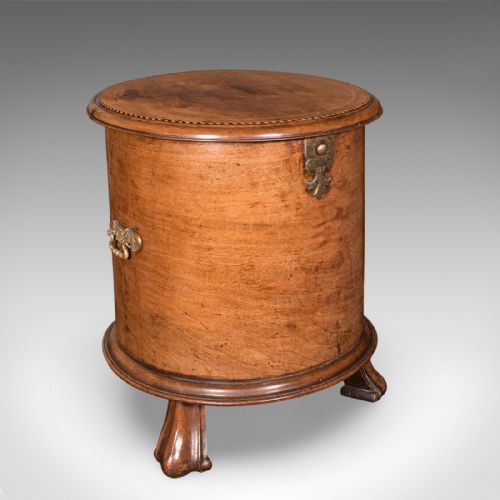

Antique Inlaid Chest on Stand
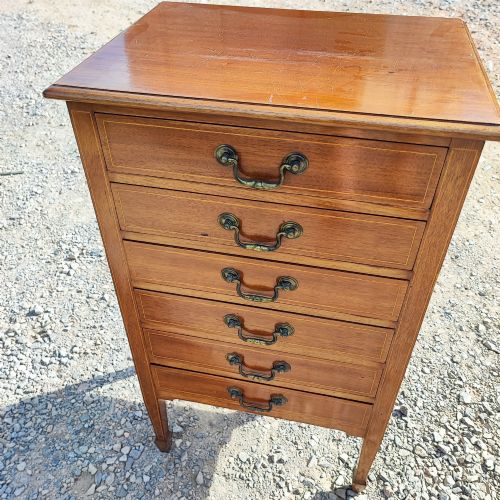
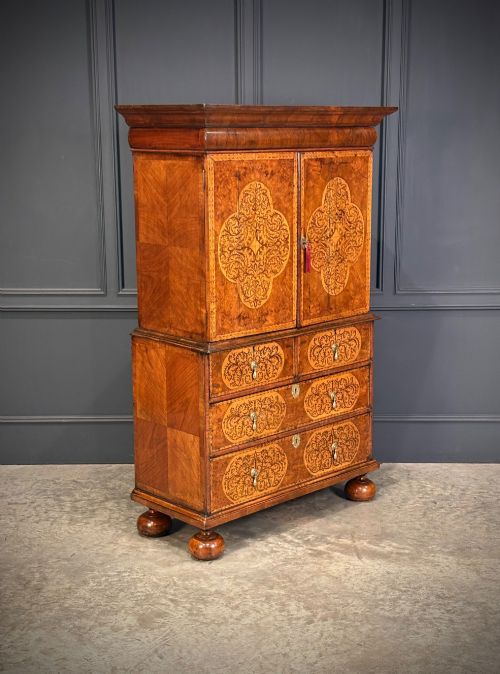
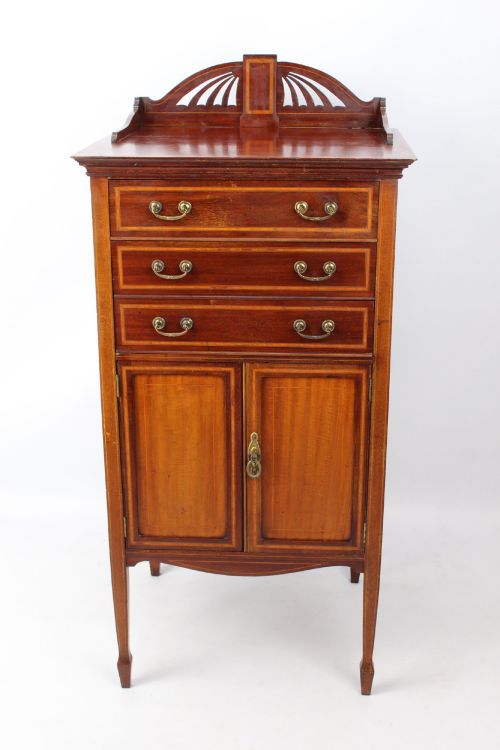
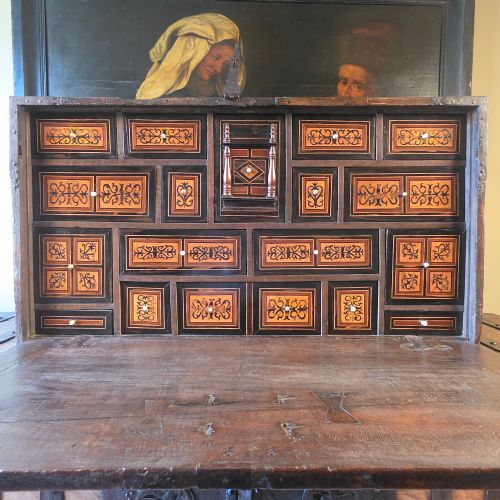
An antique inlaid chest on stand brings elevated storage and intricate surface craft into a room.
Antique Inlaid Chest on Stand
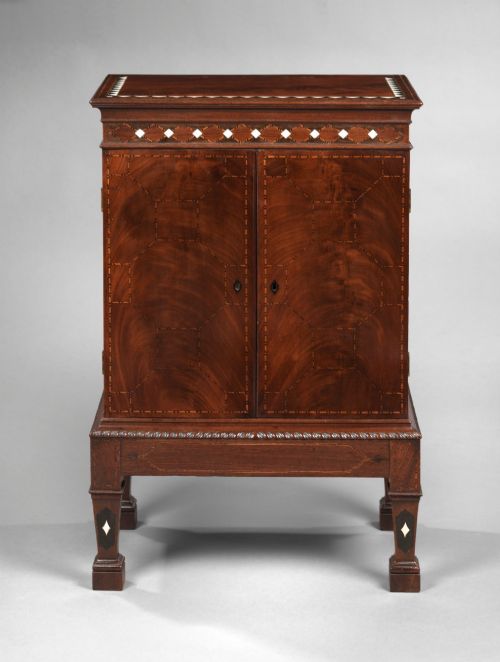
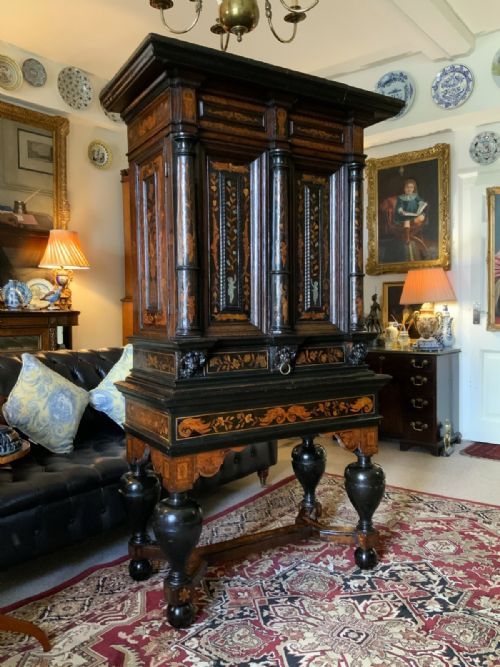
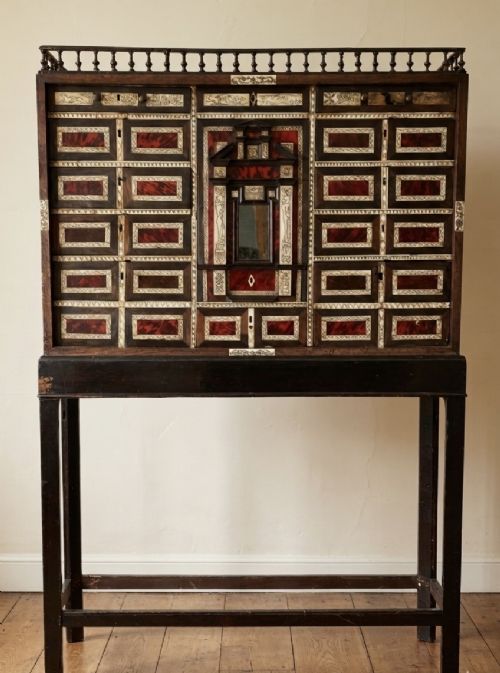
An antique inlaid chest on stand combines a raised storage compartment with a dedicated supporting frame. This form appears across several eras, including the seventeenth century, the Georgian period, and the Edwardian era.
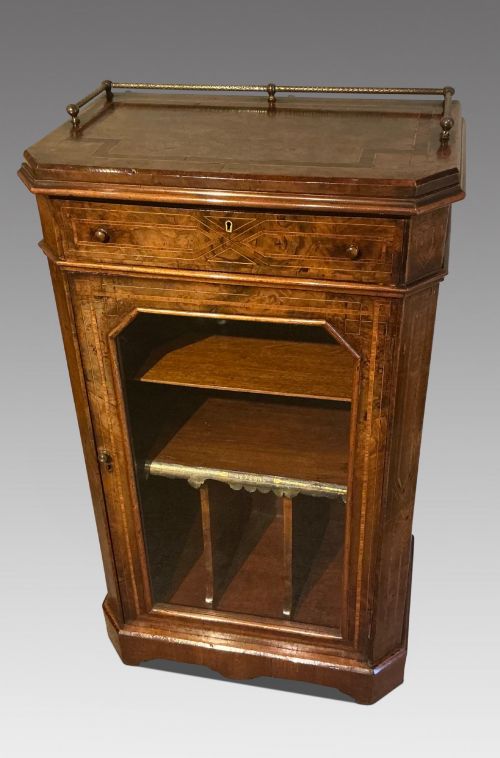
The selections on this page encompass various iterations of the antique inlaid chest on stand, ranging from seventeenth-century marquetry works to later mahogany and satinwood adaptations.
These pieces function primarily as statement storage items, originally designed to house valuables, documents, or specialised collections off the cold floor.
Materials and construction methods
Cabinetmakers utilised dense timbers such as mahogany, walnut, rosewood, and satinwood as the structural foundation for these elevated chests. Oyster veneers, kingwood, and ebony frequently provide contrasting surface textures.
Inlay and marquetry techniques incorporate brass, bone, pewter, and contrasting wood veneers to form elaborate geometric or floral patterns across the panels and drawers.
Antique Inlaid Chest on Stand Retail Price Guide 2026
Typical asking prices for inlaid chest on stand among the pieces listed under this phrase on Sellingantiques today, from the lower quarter to the upper quarter. They describe what is for sale here now, not the wider market.
The listings feature cabinets constructed from mahogany, walnut, satinwood, and rosewood, spanning periods from the seventeenth century to the twentieth century.
Distinctions in quality and execution
Quality rests upon the precision of the cabinetwork, particularly the tightness of the veneer joints and the complexity of the inlaid motifs. Finer examples display meticulous alignment in their brass or pewter work.
The integrity of the stand relative to the upper chest dictates historical coherence. Pieces retaining their original matching stands and structural mounts command greater interest from collectors.
Gillows·Edwards & Roberts
The Antique Inlaid Chest on Stand Glossary
- Marquetry
- Decorative veneer work arranged in pictorial or geometric patterns. Craftsmen cut contrasting woods, bone, or metal to fit flush within the surface.
- Stand
- The supporting base or frame beneath a cabinet or chest. These range from simple four-legged stands to elaborate baroque underframing.
- Oyster veneer
- Circular slices cut across small branches of wood, revealing concentric growth rings. Walnut and olive wood frequently display this distinctive pattern.
- Secretaire
- A cabinet or chest incorporating a pull-down writing flap concealing small drawers and pigeonholes. This introduces a dual purpose to the upper section.
- Teapoy
- A small box or chest mounted on a central pillar or stand. Originally designed to store precious tea leaves under lock and key.
Antique Inlaid Chest on Stand: Frequently Asked Questions
What is an antique inlaid chest on stand?
An antique inlaid chest on stand is a raised cabinet designed for secure storage, featuring decorative wood or metal inlays.
These pieces combine a primary box structure with a matching lower support frame.
How were these cabinets originally used?
They served to protect high-value possessions, documents, and textiles away from damp floors.
Over subsequent periods, similar forms evolved to house sheet music, wine, or personal collections.
How do I date a chest on stand?
Dating relies on identifying the primary timbers, construction joints, and specific inlay styles present.
Seventeenth-century examples often feature oyster veneers and elaborate marquetry, while Georgian and Edwardian pieces utilise mahogany and satinwood.
Are the stands original to the chests?
Many surviving chests retain their matching stands, though historical alterations do occur across early pieces.
Examining the timber continuity and joint construction helps determine if the base matches the upper section.