


Antique Inlaid Bed Frames
Antique inlaid bed frames offer a magnificent focal point for the bedroom, combining period craftsmanship with intricate decorative woodwork.
Antique Inlaid Bed Frames
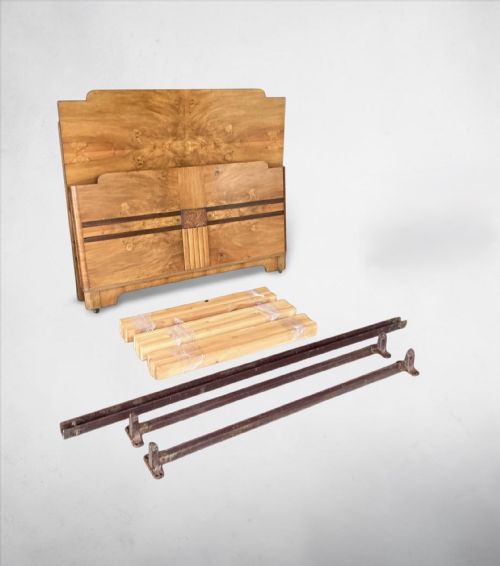
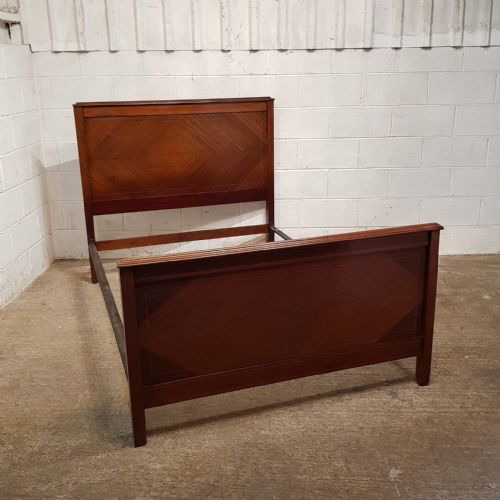
Antique inlaid bed frames encompass double, king size, and single bedsteads constructed across various periods from the nineteenth century into the twentieth century. These pieces frequently emerge in Edwardian and French stylistic traditions, offering substantial wooden structures for domestic sleeping quarters.
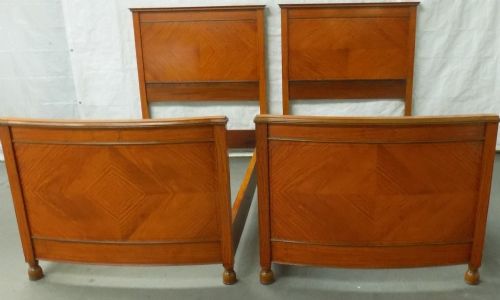
The selections available include both singular double bedsteads and matched pairs of single beds alongside expansive bedroom suites. Materials range from traditional mahogany and walnut to lighter satinwood and fruitwood, often incorporating contrasting stringing or detailed marquetry panels.
Buyers will encounter distinct regional influences, particularly French Louis XVI revival designs and Art Deco forms alongside British Edwardian cabinetmaking. Each frame provides a functional sleeping platform enriched by period decorative techniques.
How they were made
Cabinetmakers constructed these bed frames using dense hardwoods like mahogany and walnut as a primary structural foundation. Secondary timbers and decorative veneers such as satinwood, burr walnut, and fruitwood formed the contrasting surfaces.
Inlay and marquetry techniques involved hand-cutting delicate pieces of differing woods and fitting them flush into recesses carved within the main panels. Brass mounts and ormolu details occasionally supplemented the woodwork to accentuate the classical proportions.
Listings feature mahogany, walnut, satinwood, and fruitwood across Edwardian, Art Deco, and French revival styles.
What varies in quality
The standard of timber selection and the precision of the marquetry work determine the distinction between ordinary and superior pieces. Finer frames exhibit tight, seamless joints where contrasting veneers meet without visible gaps.
Design complexity also separates the ranges, from simple Edwardian mahogany rails to elaborate French Louis XVI revival suites featuring extensive parquetry and matched wood grains.
Heal's·Louis Majorelle
The Antique Inlaid Bed Frames Glossary
- Marquetry
- Decorative patterns formed by fitting small pieces of veneer into a prepared surface. This technique allows for elaborate pictorial or geometric designs across headboards and footboards.
- Parquetry
- Geometric mosaic woodwork used for repeating patterns on furniture surfaces. It creates durable and visually striking panel designs on larger bed frames.
- Satinwood
- A lustrous yellowish timber utilised for fine cabinetmaking and decorative stringing. Its bright grain provides high contrast against darker woods like mahogany.
- Ormolu
- Gilded bronze ornamentation applied to furniture mounts and decorative details. It adds metallic richness to French revival bed frames.
Antique Inlaid Bed Frames: Frequently Asked Questions
What sizes are available?
These bed frames appear in single, double, and king size dimensions depending on the original manufacturer and period.
Buyers should verify specific internal mattress measurements, as older French and Edwardian proportions may differ slightly from modern standards.
How do I care for inlaid wood?
Maintain the wood by applying quality beeswax periodically and avoiding direct sunlight to prevent fading of delicate veneers.
Keep these frames away from excessive moisture and sudden temperature shifts to protect the structural integrity of the joinery.
Are modern mattresses suitable?
Most antique bed frames accommodate modern mattresses, though older wooden slats or rails may require reinforcement.
Custom support bases or concealed modern slats can be fitted safely inside the original side rails without altering the antique appearance.
How do I identify Edwardian frames?
Edwardian frames typically display lighter mahogany construction with subtle satinwood inlay and refined proportions dating around nineteen hundred.
French pieces from the same era often favour bolder marquetry, fruitwood, and distinct revival styles such as Louis XVI.