







Antique Inkwell Box
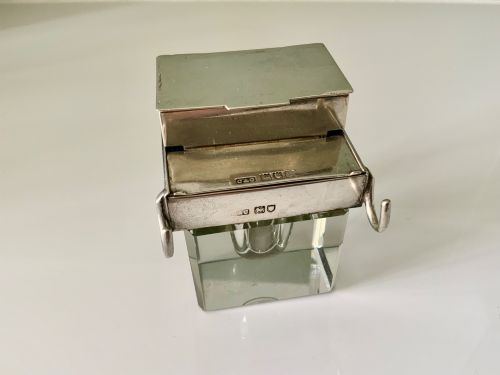
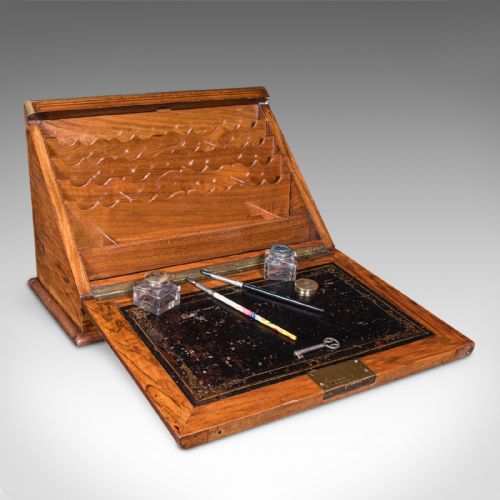
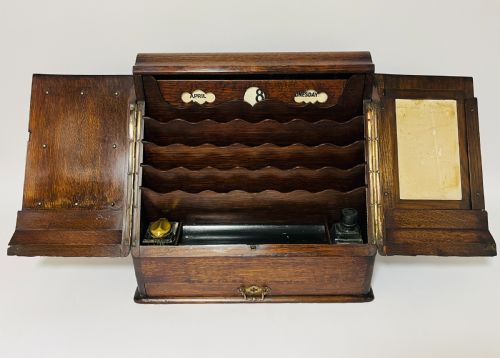
An antique inkwell box organises the desk with compartments for pens, stationery and glass ink inserts.
Antique Inkwell Box
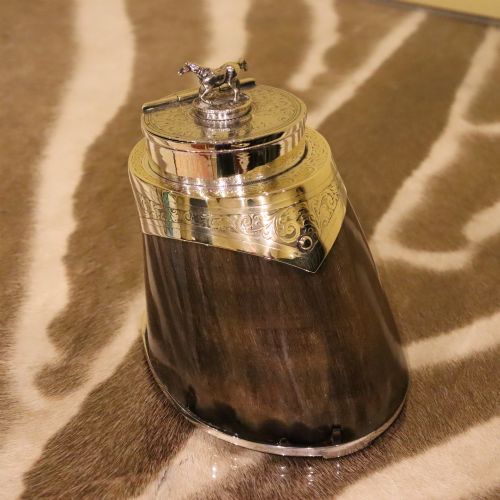
An antique inkwell box is a portable or stationary desk accessory designed to house ink bottles, pens and writing papers safely together. You find these pieces spanning the eighteenth, nineteenth and early twentieth centuries in various domestic forms.
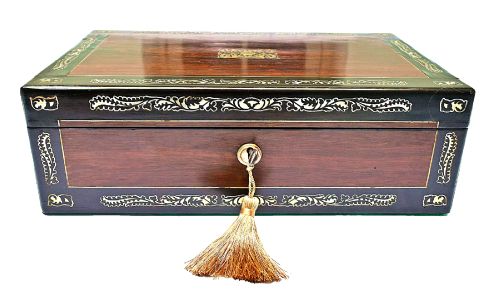
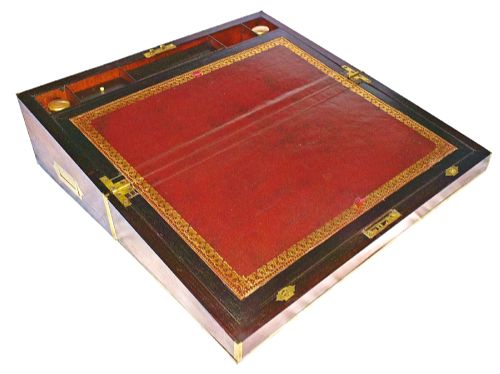
The most common examples on this page take the form of wooden stands, stationery cabinets and travelling boxes fitted with glass or metal inkwells. These containers served writers in the home study, the office and during travel.
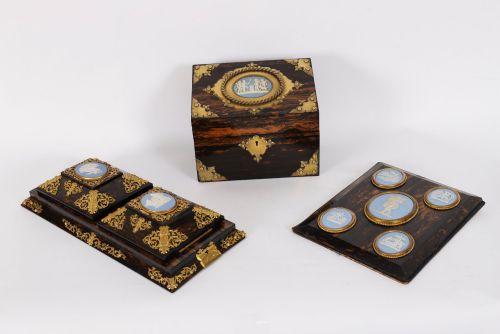
Makers utilised durable hardwoods alongside decorative finishes like brass, ormolu and mother of pearl to create substantial pieces for the desktop. Each survivor reflects the writing habits and interior taste of its specific decade.
How they were made
Craftsmen built these boxes using structural woods such as oak, walnut, rosewood and coromandel, often applying intricate brass inlay, tortoiseshell or leather surfaces. Metalwork components like silver plate, ormolu and cast brass formed hinges, mounts and protective corners.
Fitted interiors required precise joinery to securely hold glass inkwells, pen trays and stationery dividers without movement during use. Specialised surface treatments included hand-painted porcelain panels, carved marble, and detailed micro-mosaic woodwork like Tunbridgeware.
Antique Inkwell Box Retail Price Guide 2026
Typical asking prices for inkwell box among the pieces listed under this phrase on Sellingantiques today, from the lower quarter to the upper quarter. They describe what is for sale here now, not the wider market.
Materials seen across these listings include glass, brass, oak, walnut, leather, silver plate, ormolu, coromandel, and tortoiseshell.
What varies in quality
Quality rests in the selection of cabinet timbers, the precision of metal mounts, and the completeness of the original internal fittings. Pieces featuring luxury materials like solid coromandel, detailed Boullework or hand-painted porcelain reflect higher workshop ambitions.
The integration of matching glass inkwells and coordinated stationery compartments distinguishes superior desk sets from simpler utilitarian boxes. Finer examples retain their original locking mechanisms, keys and delicate surface embellishments intact.
Edwards and Jones·Marson and Jones
The Antique Inkwell Box Glossary
- Inkstand
- A desktop stand or tray holding one or more inkwells along with pen rests and sometimes a sander or bell. These portable fittings kept all necessary writing implements gathered together on the table.
- Coromandel
- A dense, heavily grained dark timber imported from Asia, prized by nineteenth-century cabinet makers for luxury boxes. It provides a rich, striped background for brass and ormolu mounts.
- Boullework
- An elaborate form of marquetry utilising tortoiseshell and brass inlay developed in France. This decorative technique creates intricate metallic patterns across the wooden surfaces of desks and boxes.
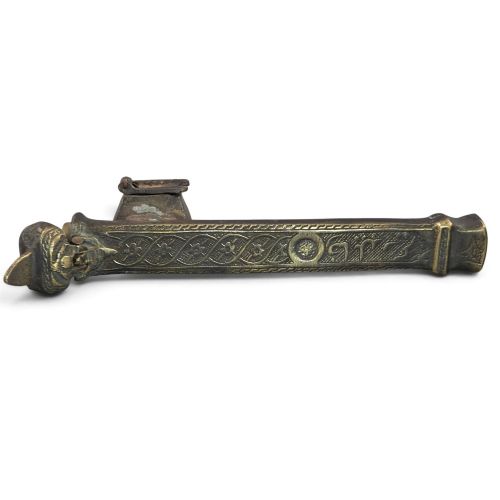
- Divit Qalamdan
- A traditional Middle Eastern portable writing case incorporating an inkwell and a long compartment for reed pens. These metal travelling cases were tucked into belts or sashes.
- Tunbridgeware
- A distinct type of British woodwork decorated with mosaic patterns built from tiny tinted wood blocks. It creates geometric pictures and borders on small boxes and desk items.
Antique Inkwell Box: Frequently Asked Questions
What is an antique inkwell box?
An antique inkwell box is a desktop container designed to hold writing ink alongside pens, paper and related stationery items. These items range from simple wooden desk stands to elaborate cabinets fitted with glass bottles.
Craftsmen built them to keep writing materials tidy and protected when not in use. They remain functional decorative objects for modern desks.
How do I date an inkwell box?
Dating relies on observing the prevailing wood types, decorative styles, and construction methods characteristic of different centuries. For instance, Regency pieces often show brass inlay on rosewood, while Victorian examples frequently use oak or walnut.
Hardware styles, lock mechanisms, and internal layouts also help narrow down the period of manufacture. Hallmarks on silver or silver-plated components provide precise year markers where present.
Were these boxes meant for travel?
Many inkwell boxes were built specifically for travel, featuring secure lids, locking mechanisms, and tightly fitted glass ink bottles to prevent spills. Other larger stationery cabinets and desk stands were stationary pieces intended to stay permanently on a library table.
Travelling versions often included leather carrying cases or compact internal arrangements to withstand movement. Both types served the writer's need for accessible ink and paper.
How do I care for wooden desk accessories?
Wooden inkstands and boxes require stable room humidity and protection from direct sunlight to prevent the wood from drying or cracking. Regular gentle dusting keeps the surface clean without damaging delicate brass mounts or veneer.
Leather surfaces and metal components benefit from occasional light maintenance appropriate to their specific material. Avoiding excess moisture protects both the wood and any internal fabric linings.