




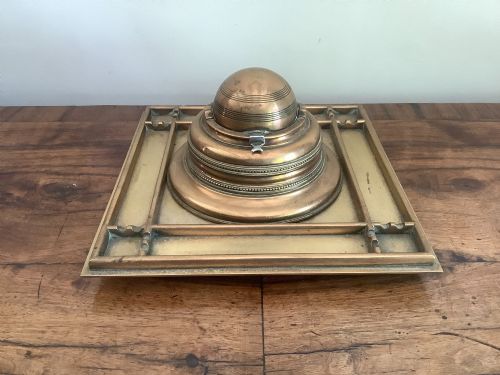
Antique Inkstand Tray
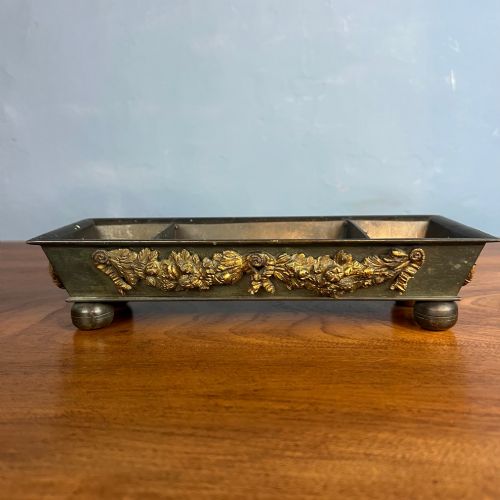
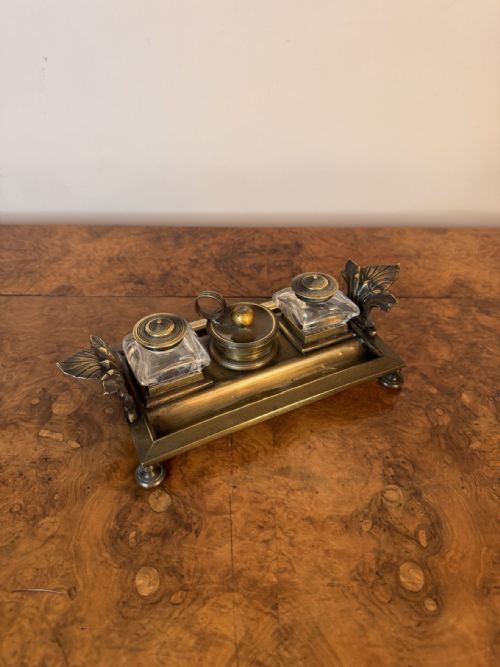
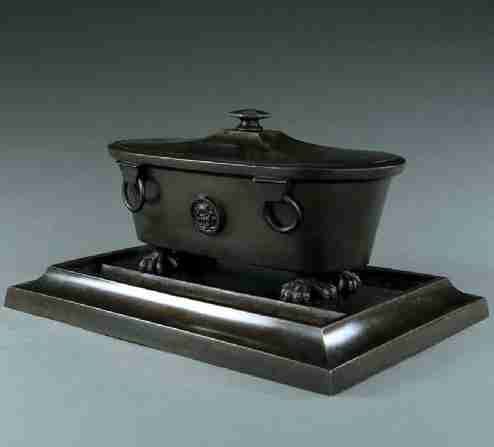
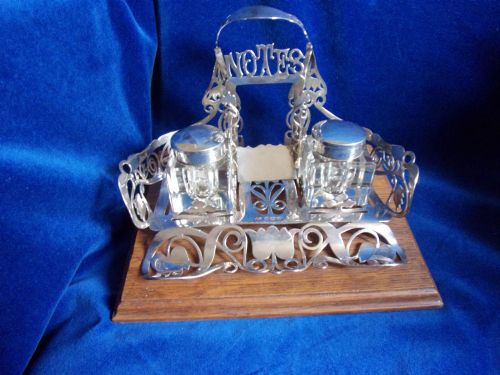
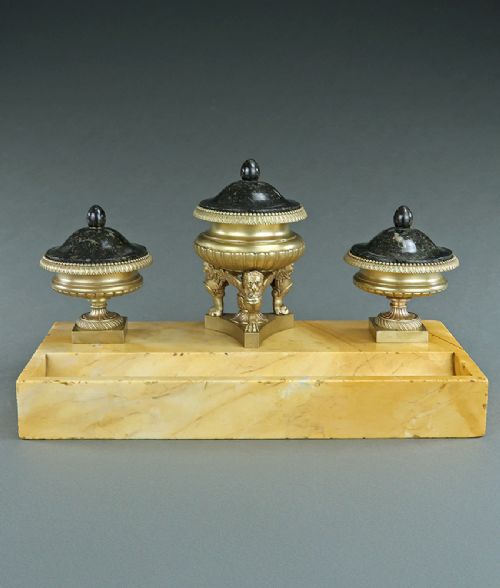
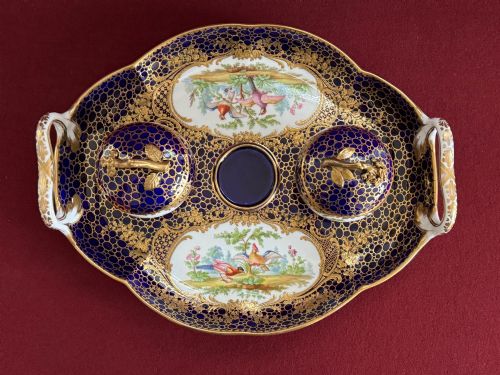
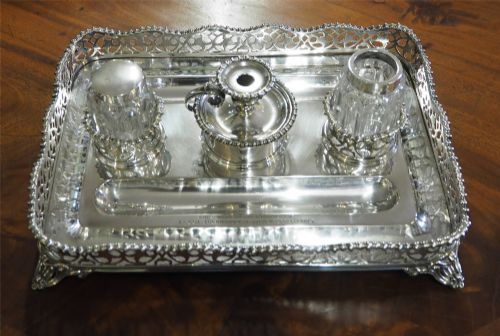
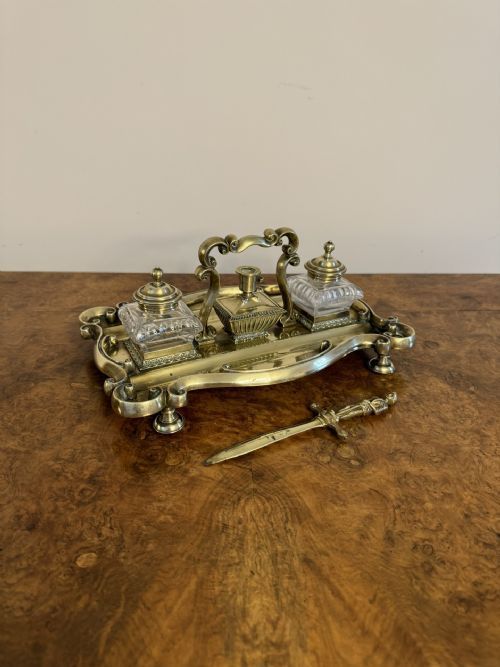
An antique inkstand tray anchors a desk with heavy brass, glass and carved wood, holding inkwells and pens for daily correspondence.
Antique Inkstand Tray
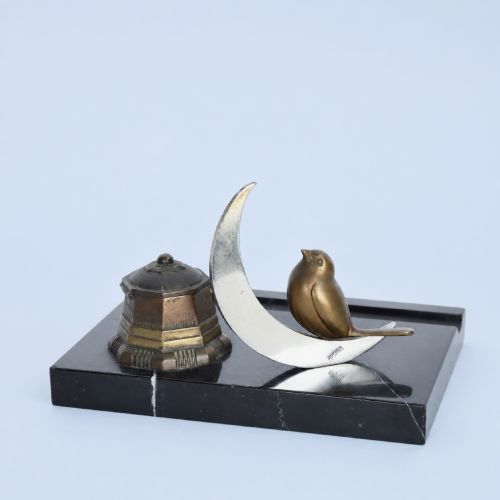
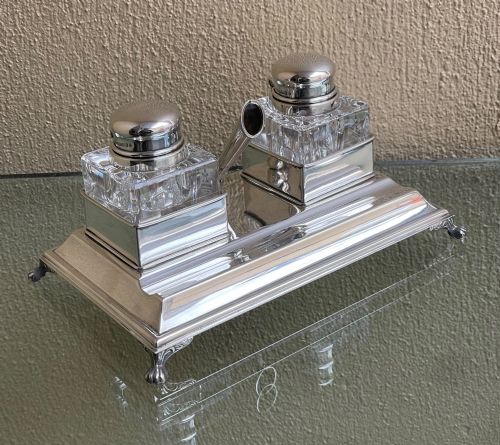
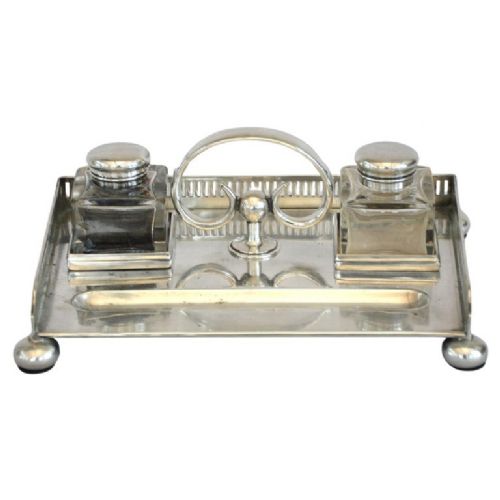
The selections range from heavy brass and silver plate to carved wood and tortoiseshell, reflecting diverse domestic and office interiors. Many incorporate lidded glass wells, chambersticks or small trays for sealing wax and stamps.
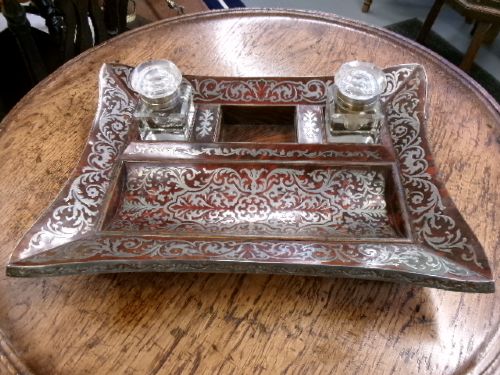
Buyers encounter everything from plain brass platforms to elaborate walnut, coromandel and boulle work desks sets mounted with silver. These pieces served the writer before fountain pens and ballpoints made portable writing common.
How they were made
Maker workshops utilised durable metals like brass, bronze, pewter and sterling silver alongside silver plate for the primary trays and mounts. Glass and cut glass formed the internal inkwells, paired frequently with ceramic porcelain or faience bodies.
Exotic timbers such as coromandel, walnut, rosewood and satinwood provided rich foundations for inlaid brass, tortoiseshell and mother-of-pearl decoration. Papier-mâché and carved wood added lighter or more rustic alternatives, often featuring hand-painted details or cast bronze fittings.
Antique Inkstand Tray Retail Price Guide 2026
Typical asking prices for inkstand tray among the pieces listed under this phrase on Sellingantiques today, from the lower quarter to the upper quarter. They describe what is for sale here now, not the wider market.
The listings feature Victorian, Edwardian and nineteenth-century periods alongside materials like sterling silver, cut glass, tortoiseshell and carved wood.
What varies in quality
The hierarchy of these objects rests on the density of materials and the precision of mounts, hinges and fitted elements. Solid silver, heavy cast bronze and dense coromandel timbers sit at the upper end, whereas plated metals and simpler turned woods occupy the standard tier.
Artistic execution dictates distinction, separating mass-produced cast brass from hand-chased ormolu, finely inlaid boulle work or hand-painted ceramic plaques. Completeness also alters standing, as surviving matching glass inserts and original pen trays preserve the integrity of the design.
Elkington·Walker And Hall·Harrods·WMF·Robert Garrard·Rupert Favell·Lefebvre·Minton
The Antique Inkstand Tray Glossary
- Inkstand
- A desk tray or stand designed to hold one or more inkwells and pens. It forms the central apparatus of nineteenth-century desk organisation.
- Standish
- An alternative term for an inkstand or writing tray. It frequently denotes seventeenth or eighteenth-century forms with integrated bell and sander compartments.
- Boulle work
- Marquetry technique using brass and tortoiseshell inlaid in intricate patterns. It characterises luxurious French-influenced nineteenth-century pieces.
- Ormolu
- Gilt bronze ornamentation applied to furniture and desk accessories. It provides a bright golden decorative finish to nineteenth-century metalwork.
- Faience
- Tin-glazed earthenware decorated with opaque coloured enamels. Dutch Delft examples utilise this technique for painted blue and white motifs.
Antique Inkstand Tray: Frequently Asked Questions
What is an antique inkstand tray used for?
An antique inkstand tray provides a designated station on a desk for holding inkwells, dipping pens and related writing implements. It keeps liquid ink contained and writing tools organised.
Historically, these trays kept desks tidy during a period when correspondence required dipping nibs into wet ink. They remain functional decorative objects for modern desk spaces.
How do I date an antique inkstand?
Dating relies on material trends, maker marks, and stylistic indicators such as Victorian ornamentation, Art Nouveau curves or Regency symmetry. Wood types and metal casting techniques also point to specific decades.
Silver components often feature hallmarks that provide exact assay years and maker stamps. Comparing the construction methods of the tray base helps narrow down the period.
Are the inkwells usually original to the tray?
Many pieces retain their original cut glass or ceramic inkwells, fitted precisely into the tray apertures or metal collars. Replacements do occur over decades of use.
Matching glass colour, wear patterns around the neck, and the fit within the tray help determine if the inkwells belong to the original manufacture.
How do I care for wood and brass inkstands?
Wood surfaces require gentle dusting and occasional wax conditioning to preserve the finish of coromandel, walnut or rosewood. Brass and bronze parts need minimal intervention to retain their natural patina.
Keeping these pieces away from direct sunlight and excessive moisture prevents warping of inlaid elements and protects delicate glass inserts.