

Antique Inkstand Accessories
Antique inkstand accessories gather the small vessels and writing implements of a formal desk, prized for their craftsmanship and material detail.
Antique Inkstand Accessories
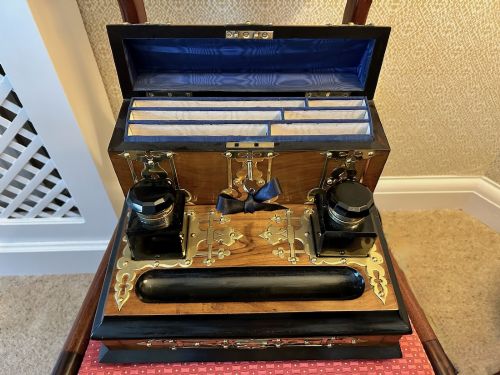
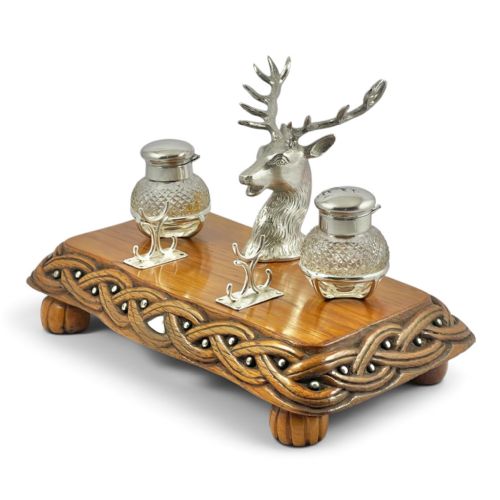
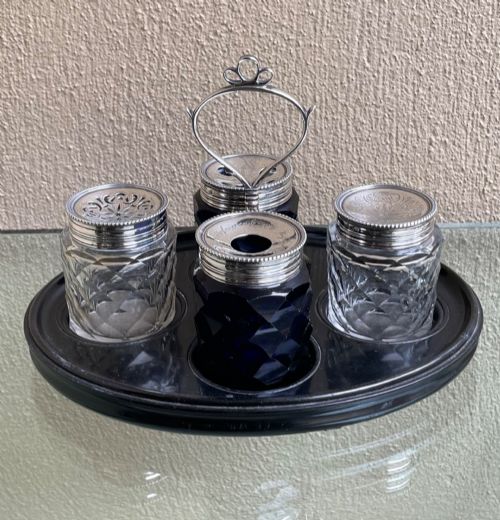
When you search for antique inkstand accessories, you encounter the desk equipment that managed correspondence before the fountain pen became universal. These items range from single inkwells to elaborate desk sets, standishes, and stationary boxes designed to hold writing materials.
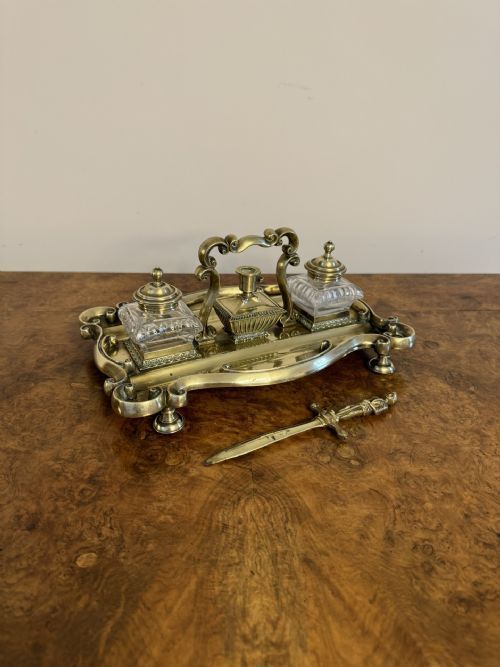
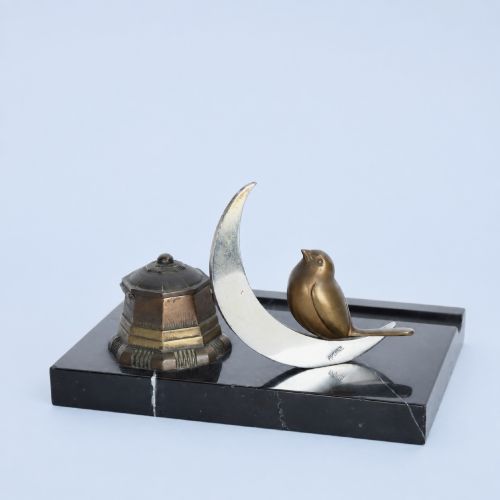
The pieces appearing on this page span the Victorian and Edwardian eras, alongside earlier Georgian items and later Art Deco designs. Common forms include capstan inkwells, desk tidies, and travel inkwells.
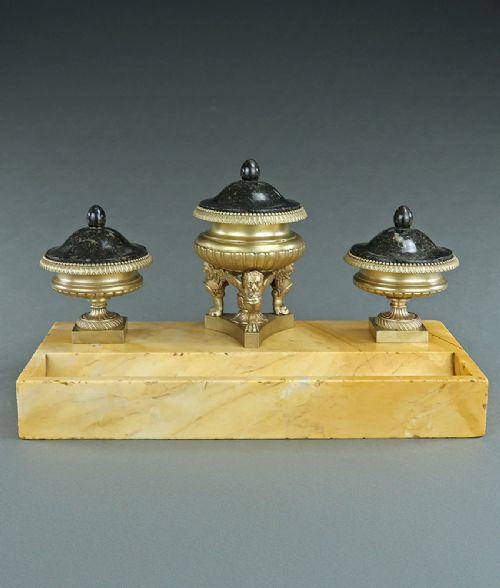
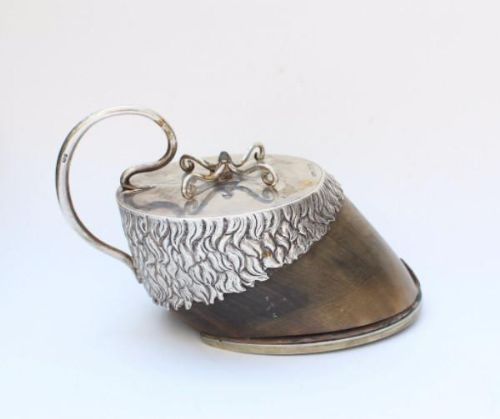
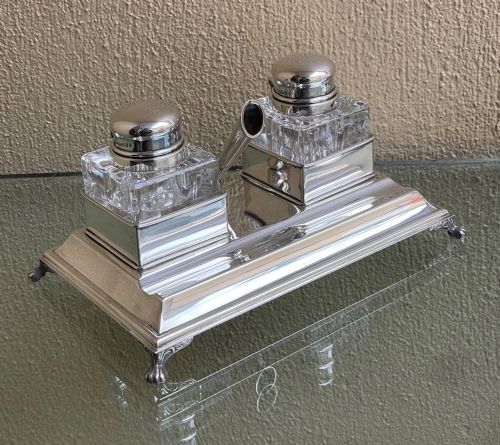
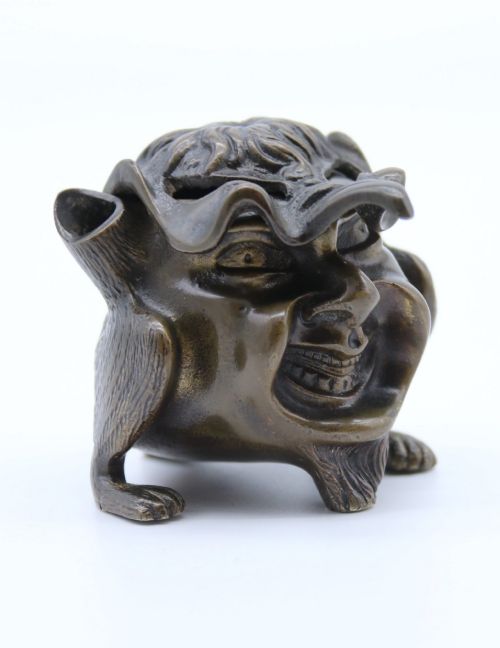
Materials vary widely, taking in brass, sterling silver, silver plate, cut glass, bronze, and various hardstones such as Ashford marble and black marble. Novelty items utilising horse hooves, taxidermy, and porcelain also surface frequently.
How they were made
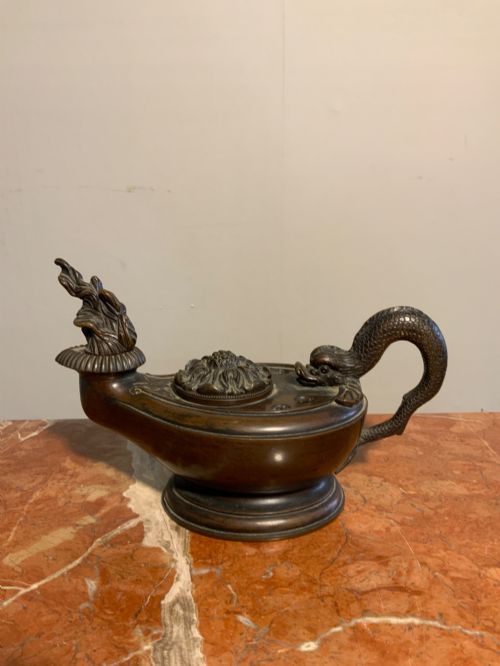
Makers combined metals like brass, bronze, and silver with glass inserts, utilising casting, silversmithing, and ormolu mounting techniques. Glass and cut glass components required skilled blowing and cutting to fit snugly into metal collars.
Woodworking and stonecraft feature heavily in the larger stands, employing walnut, coromandel, and specialised marbles like Ashford marble and black marble. Surface decoration often includes champlevé enamel, guilloche enamel, and boulle work.
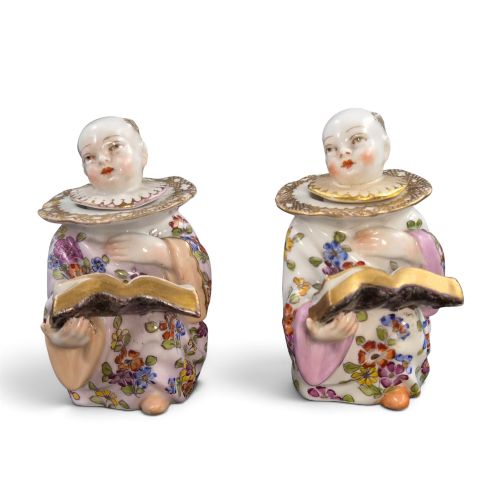
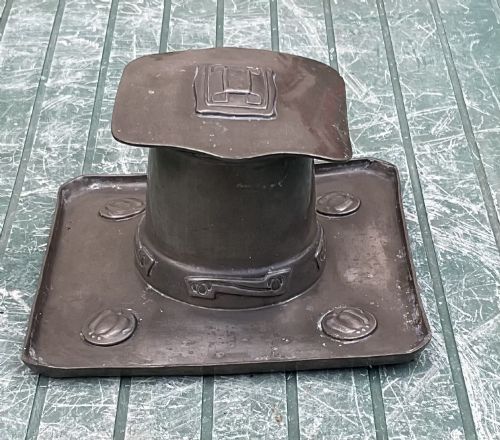
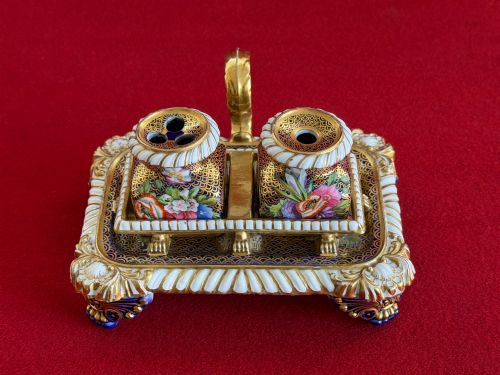
Specialist disciplines such as taxidermy, porcelain painting by factories like Spode and Edmé Samson, and pewter casting by firms like Tudric also shape the construction of these desk pieces.
Desk accessories occasionally take surprising animal forms, including taxidermy horse hooves, bronze emus, and carved Black Forest owls.
What varies in quality
The calibre of an inkstand accessory depends upon the weight of the metal, the clarity and depth of cut glass, and the precision of the joints and mountings. Heavier gauge silver and cast bronze distinguish superior pieces from lighter, plated alternatives.
Artistic execution in decorative elements such as enamel work, ormolu chasing, and figural modelling determines distinction within a category. Pieces featuring signed work by recognised makers or integrated luxury materials like tortoiseshell and ebony demonstrate higher craftsmanship.
Edmé Samson·Archibald Knox·Elkington·Spode·Henry Matthews·Walker And Hall·Wilkinson And Co·Harrods
The Antique Inkstand Accessories Glossary
- Inkstand
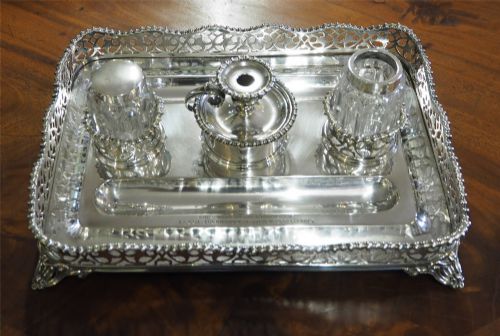
- A fitted tray or stand holding one or more inkwells, sanders, and pen holders. These central desk pieces coordinate the components required for writing.
- Capstan inkwell
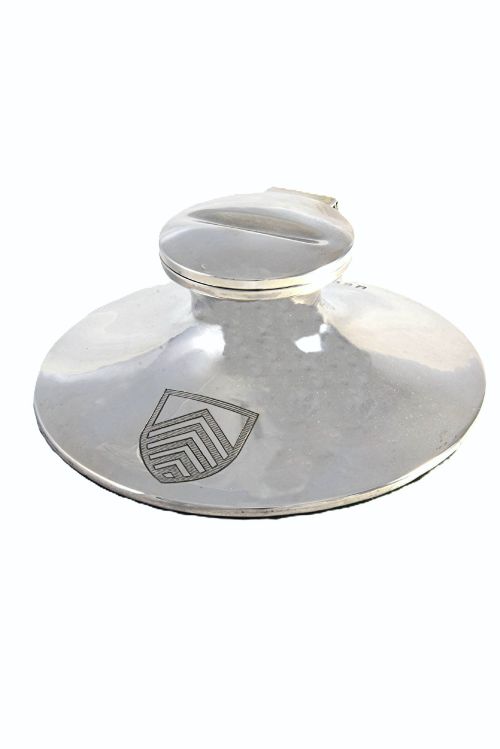
- A low, wide inkwell shaped like a ship capstan, tapering upwards towards a hinged lid. This form provides stability on a moving surface or busy desk.
- Standish
- An inkstand equipped with drawers, bells, or compartments for wafers and sealing wax. It serves as a comprehensive desk tidy for official correspondence.
- Boulle work
- Marquetry utilising tortoise-shell and brass inlay, developed in France. This technique adds ornate surface pattern to wooden desk stands.
- Champlevé
- An enamelling technique where troughs are dug into a metal surface and filled with vitreous enamel. The resulting design contrasts brightly against the chased metal.
Antique Inkstand Accessories: Frequently Asked Questions
What is a capstan inkwell?
A capstan inkwell takes its name from the nautical deck machinery used to weigh anchor. The wide base prevents tipping, while the tapered body holds ink securely beneath a hinged lid.
This practical shape proved popular through the Victorian and Edwardian periods in silver, glass, and wood.
How do you use a standish?
A standish acts as the central hub for a traditional desk, housing inkwells alongside compartments for pens, blotting sand, and sealing wax. The raised tray keeps everything organised in one portable unit.
Users would retrieve ink and seal letters directly from the fitted station.
What are desk tidies used for?
Desk tidies corral loose stationery, letters, pens, and smaller writing tools into dedicated slots and trays. They keep working surfaces orderly during the handling of daily correspondence.
Many examples incorporate inkwells alongside letter racks and paperweights.
How do I date a brass inkstand?
Dating relies on stylistic cues, manufacturing marks, and the combination of materials used in the base and inkwells. Georgian and Regency pieces show different casting methods and decorative motifs compared to later Victorian or Art Deco designs.
Inscriptions and maker stamps help narrow the production era further.