




Antique Indian Teak Chairs
These antique Indian teak chairs combine colonial utility with dense native carving, offering practical seating rooted in nineteenth-century history.
Antique Indian Teak Chairs
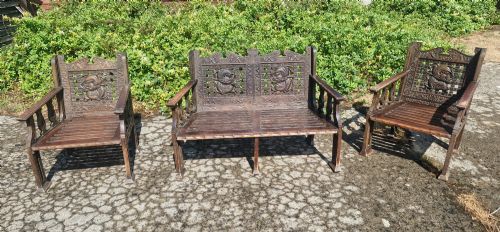
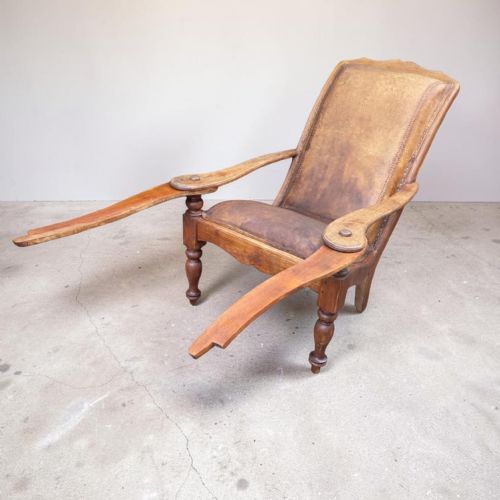
Antique Indian teak chairs encompass diverse forms created during the nineteenth and early twentieth centuries under British colonial influence. Buyers searching this phrase encounter heavy armchairs, dining sets, folding campaign pieces, and reclining planter's chairs designed for verandas and conservative interiors.
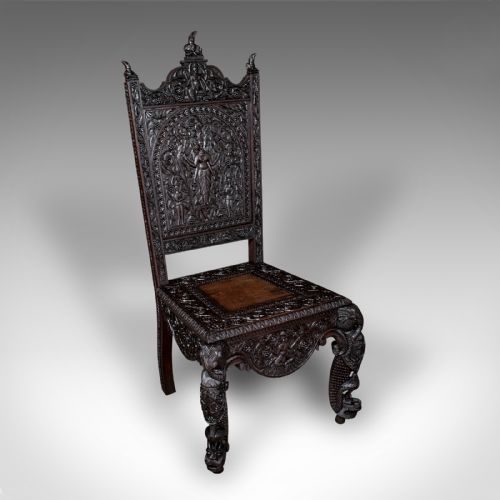
The Anglo-Indian and Burmese styles dominate this selection, frequently featuring profuse hand-carved ornamentation, peacock motifs, and pierced foliage. Side chairs, elbow chairs, and monumental throne chairs appear alongside suites originating from country houses and temples.
Most examples date from the Victorian era up to the nineteen-twenties, constructed primarily from dense tropical timber. The inventory spans straightforward rush-seated models to elaborate ceremonial seating inlaid with brass.
Materials and construction methods
Makers utilised durable teak and supplementary hardwoods, shaping the dense timber with traditional hand tools to support deep, intricate relief carving. Structural joints often relied on heavy framing to withstand humid climates and the physical demands of reclining mechanisms.
Secondary materials such as original leather, woven cane, rattan, and rush provided resilient seating surfaces within the carved wooden frames. Metal elements like brass inlay appeared on specific regional variants, adding contrasting detail to the dark wood.
Several armchairs incorporate structural peacock motifs, ensuring the local fauna participates directly in your afternoon reading.
Assessing quality in regional seating
Quality rests primarily on the crispness and depth of the hand-carving, where superior pieces exhibit precise undercut foliage and well-defined animal or avian figures. The architectural balance of complex forms, such as extending arms on planter's chairs or folding X-frames, dictates structural integrity.
Original surface patination and the survival of early upholstery materials, such as aged leather or intact cane, separate untouched examples from heavily restored counterparts. The weight and selection of the teak timber itself also influence the substance and longevity of each frame.
The Antique Indian Teak Chairs Glossary
- Teak
- A dense, durable tropical hardwood native to Asia, prized for its natural oils and resistance to decay. It forms the primary structural material for the majority of these colonial seats.
- Planter's chair
- A reclining armchair featuring extended arms designed for resting the legs, developed for colonial verandas. These chairs often incorporate folding mechanisms or adjustable backrests.
- Anglo-Indian
- A design style produced in India during the British colonial period that combined European furniture forms with traditional local craftsmanship and ornamentation. This synthesis created distinctive chairs suited to expatriate and domestic markets.
- Savonarola style
- A type of folding chair formed from intersecting curved wooden slats, creating an X-shaped frame. The Indian interpretations frequently incorporate detailed brass inlay work.
- Cane
- Woven material derived from the peeled strips of rattan palms, utilised for light and breathable seat panels. It provides flexibility and airflow within the heavy wooden framework.
Antique Indian Teak Chairs: Frequently Asked Questions
How do I care for antique teak furniture?
Maintain stable indoor humidity levels and keep the timber away from direct heat sources to prevent the wood from drying out. Dust regularly with a dry cloth and occasionally nourish the surface with appropriate natural waxes.
Avoid using harsh chemical polishes that can degrade the original patina. Inspect woven cane or leather elements periodically to ensure they remain clean and supported.
How do I identify a plantation chair?
Plantation chairs feature notably long, hinged or extending arms designed specifically for elevating the feet of the sitter. They typically incorporate a low, deep seat and an adjustable or sloped backrest intended for relaxation.
Many examples also include a folding X-frame or heavy timber construction to facilitate movement around verandas.
Are these chairs suitable for daily use?
Most sturdy teak frames remain entirely functional for everyday seating when placed on level surfaces. However, fragile elements like historic cane panels or antique leather require mindful treatment to prevent tearing.
Verifying the stability of joints and extending arms ensures safe operation before regular deployment in a modern room.