

Antique Indian Table Lamp
An antique Indian table lamp brings hand-carved woodwork and regional craft into a room, offering warm illumination rooted in the nineteenth and early twentieth centuries.
Antique Indian Table Lamp
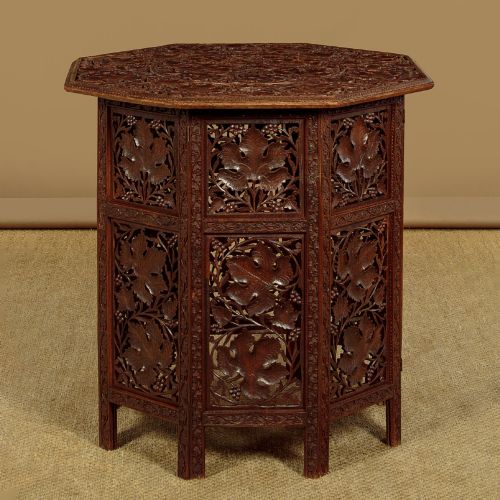
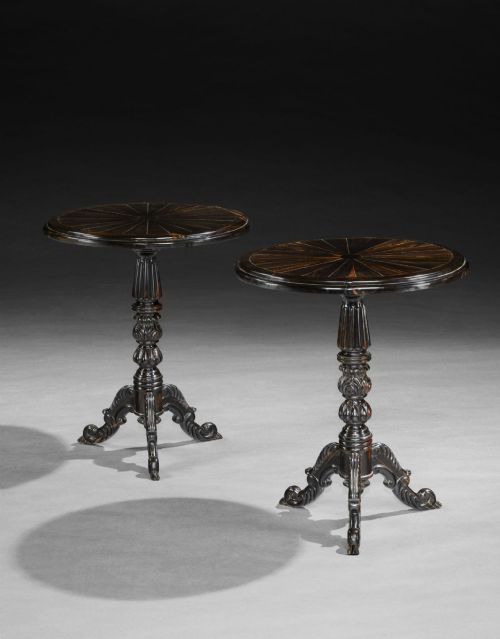
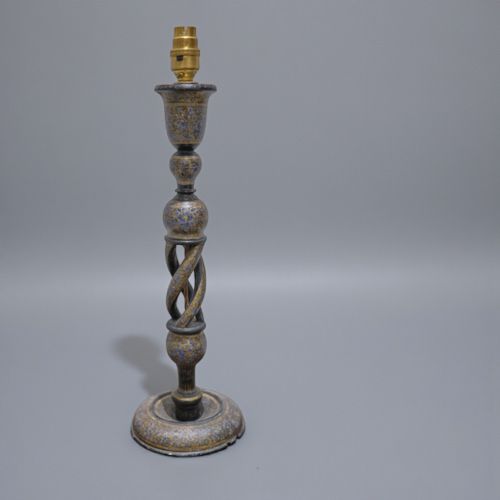
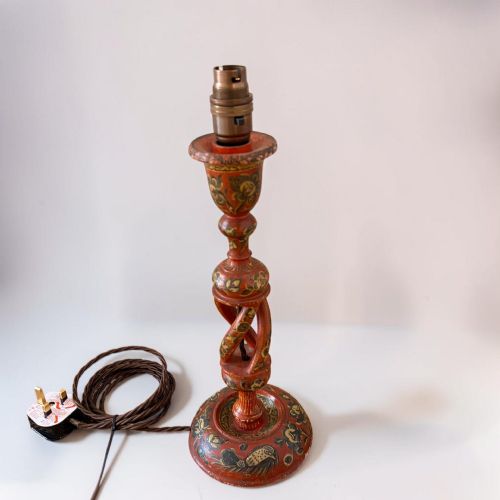
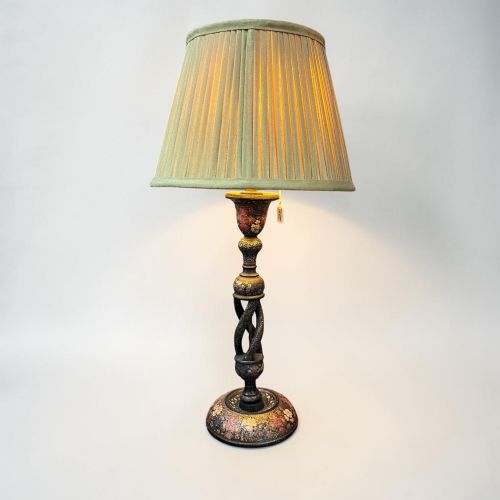
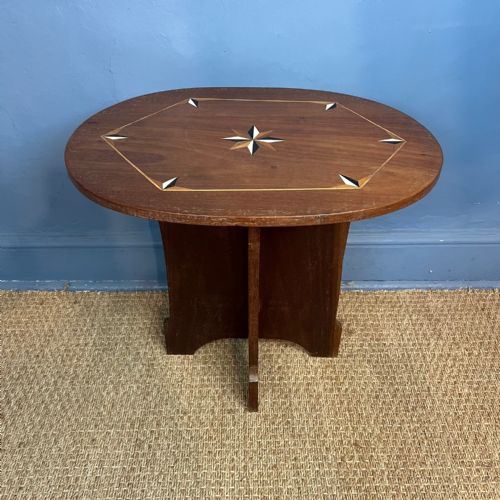
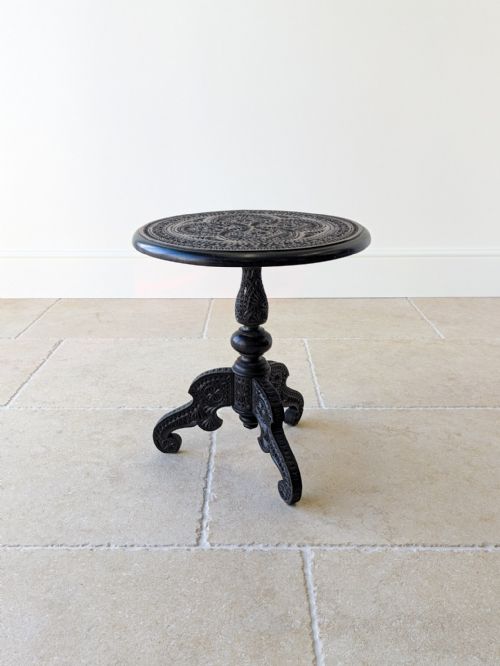
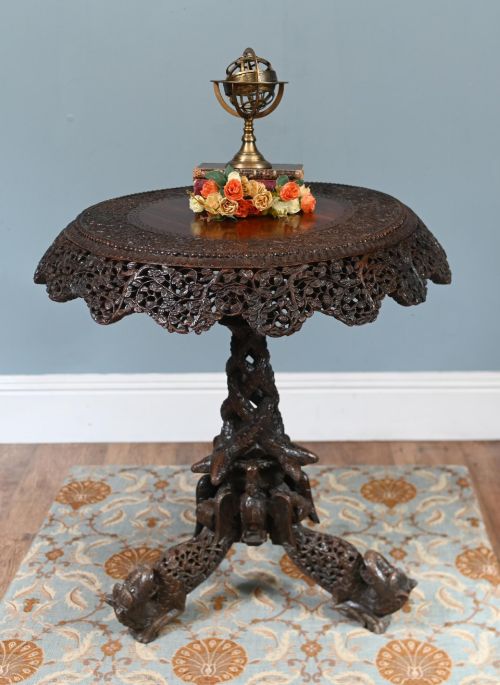
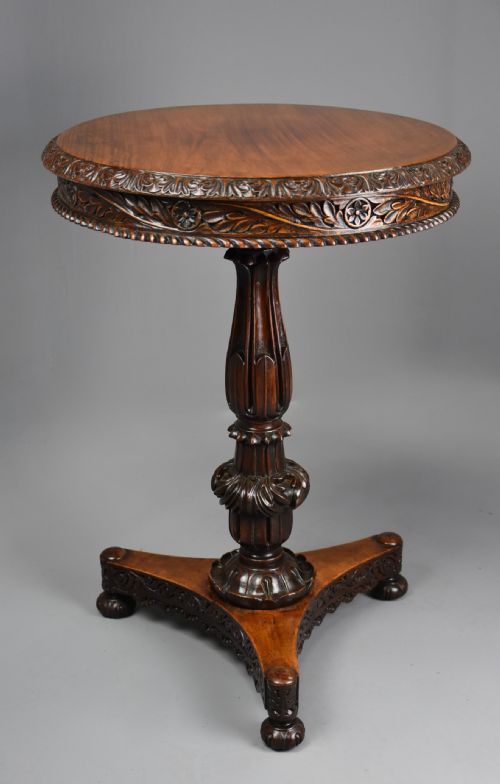
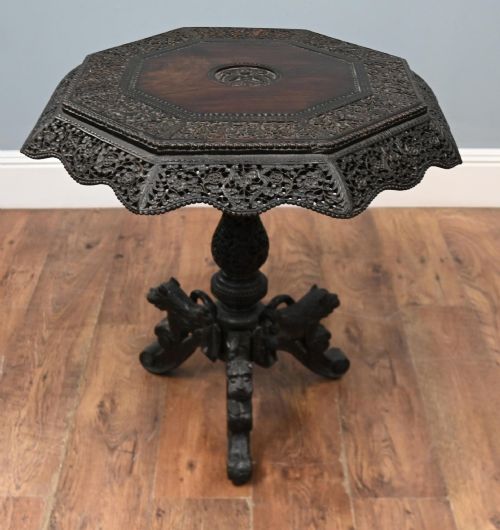
An antique Indian table lamp encompasses turned wooden bodies, brass lights, and occasionally converted occasional or side tables transformed for illumination.
The pieces appearing on this page span the Victorian era through the early twentieth century, drawing on Anglo-Indian, Kashmiri, and Moorish traditions.
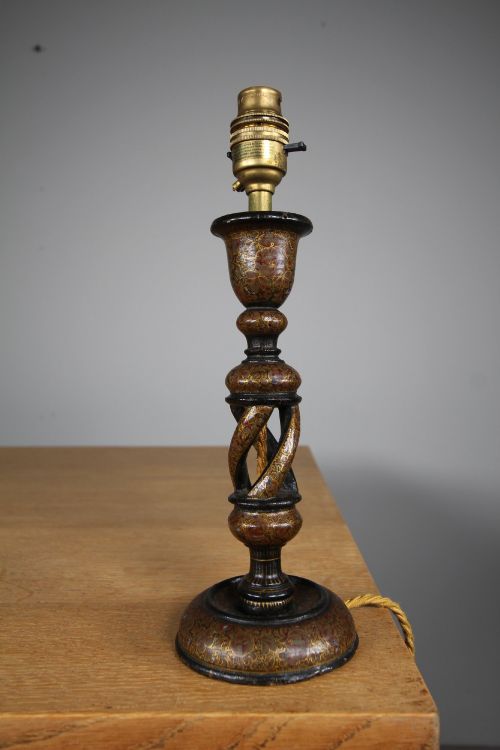
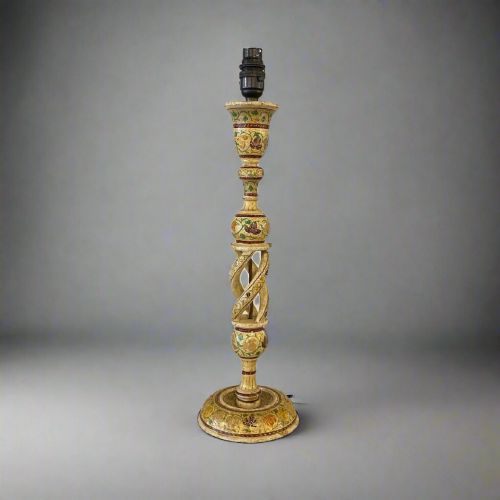
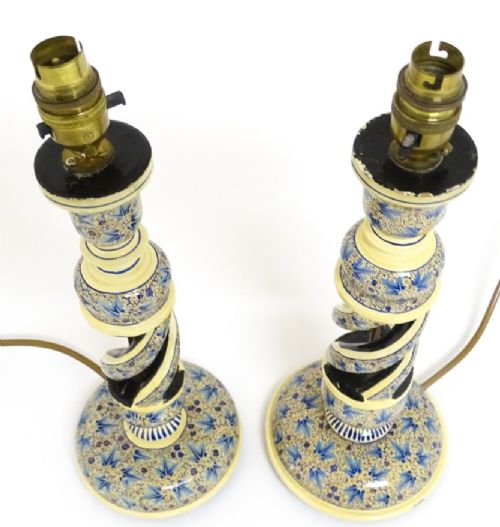
Buyers will encounter carved wooden stems, hand-painted floral motifs on papier-mache or wood, and solid brass constructions originating from regional workshops.
Materials and construction
Artisans utilised native and colonial hardwoods such as teak, padouk, rosewood, and walnut, often shaping them through deep relief carving or intricate turning.
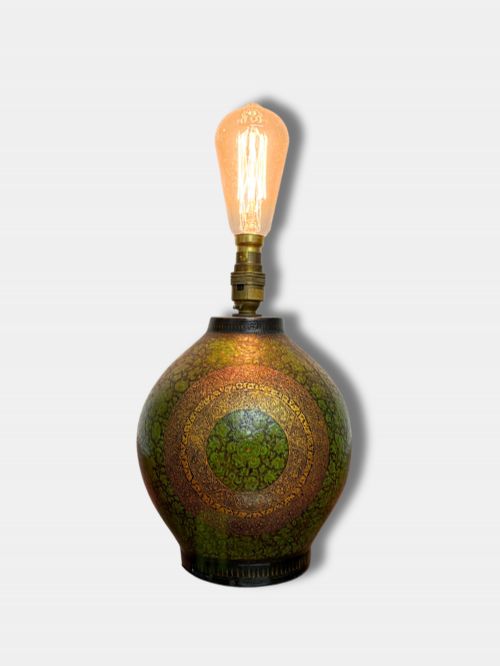
Metals like brass provide structural stability and distinct columnar forms, while papier-mache surfaces receive meticulous hand-painted ornamentation in gilt, gold, and green hues.
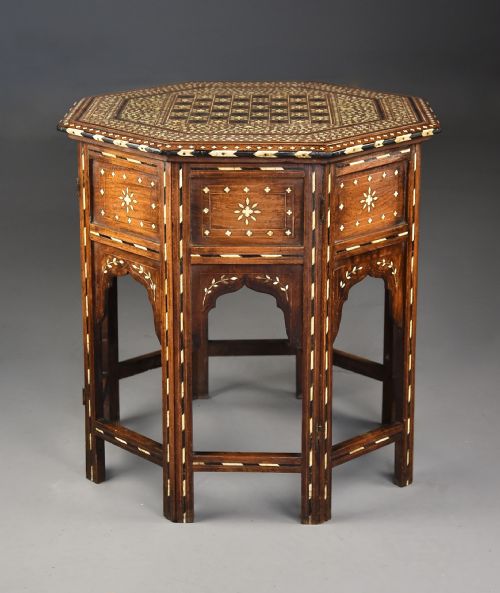
Inlaid details incorporate contrasting timbers or geometric patterns, reflecting regional specialties found across Bombay, Hoshiarpur, and Kashmir.
Antique Indian Table Lamp Retail Price Guide 2026
Typical asking prices for indian table lamp among the pieces listed under this phrase on Sellingantiques today, from the lower quarter to the upper quarter. They describe what is for sale here now, not the wider market.
Some tall Kashmiri twist lamps owe their unusual height to the practical need of Victorian readers to clear overstuffed colonial armchairs.
Assessing craftsmanship
Depth and crispness of the hand-carved ornamentation separate exceptional regional pieces from simpler turned examples, with deep undercut foliage showing superior artisan skill.
The integrity of the timber and the precision of inlaid geometric sections dictate the durability and refinement of tables adapted for lighting.
Hand-painted surfaces on Kashmiri lamps vary according to the preservation of the original gilt and pigment layers over the underlying base material.
Liberty
The Antique Indian Table Lamp Glossary
- Anglo-Indian
- Furniture and decorative objects manufactured in British India for colonial officers or export, combining British forms with traditional local carving techniques. These items frequently utilise dense tropical hardwoods.
- Kashmiri
- Pertaining to the northern region of Kashmir, known particularly for hand-painted wooden objects and papier-mache items decorated with rich floral or vegetal motifs. Pieces from this area often feature vibrant green and gilt palettes.
- Padouk
- A heavy, durable tropical hardwood with a reddish hue, favoured by nineteenth-century cabinetmakers in regions such as Bombay. It takes a fine carved finish.
- Hoshiarpur
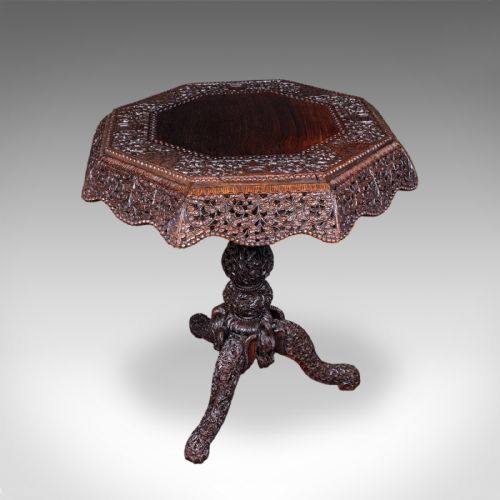
- A town in Punjab renowned for intricate inlay work utilising contrasting light woods and resins set into dark timber grounds. Such work appears on octagonal occasional tables.
- Moorish Revival
- A nineteenth-century design style incorporating Islamic architectural motifs, horseshoe arches, and geometric lattice patterns into Western furniture forms.
Antique Indian Table Lamp: Frequently Asked Questions
What materials are these lamps made from?
These lamps and related tables utilise dense timbers such as teak, rosewood, padouk, and walnut alongside cast or beaten brass and painted papier-mache bases.
Artisans carved, turned, and painted these materials by hand, reflecting regional aesthetics from Kashmir, Bombay, and Hoshiarpur during the nineteenth and early twentieth centuries.
How do I date an antique Indian lamp?
Dating relies on stylistic markers, wood species, and the presence of nineteenth-century colonial British forms combined with traditional local carving methods. Victorian and early twentieth-century examples often show distinct turning styles and wiring updates.
Examining the construction joints and the wear on the timber or paint layers helps confirm whether a piece originates from the 1860s or the 1920s.
Were these originally made as lamps?
Many items began life as small occasional, tea, or side tables before later conversion into lamp bases, while others were constructed specifically as tall lamp holders or turned standard lamps.
Artisans in regions like Kashmir produced dedicated turned wooden lamp bodies, whereas octagonal folding tables often served multiple utility purposes in colonial homes.
How do I care for carved wooden lamps?
Maintain the timber by keeping it away from direct heat sources and sudden humidity changes that could cause the dense hardwoods to split or warp.
Dust the intricate hand-carved recesses gently with a soft brush and avoid harsh chemical polishes to preserve the integrity of the original surface finish.