


Antique Indian Artwork
Antique indian artwork brings together centuries of vibrant miniature painting, bronze casting, and textile wall art from the subcontinent.
Antique Indian Artwork
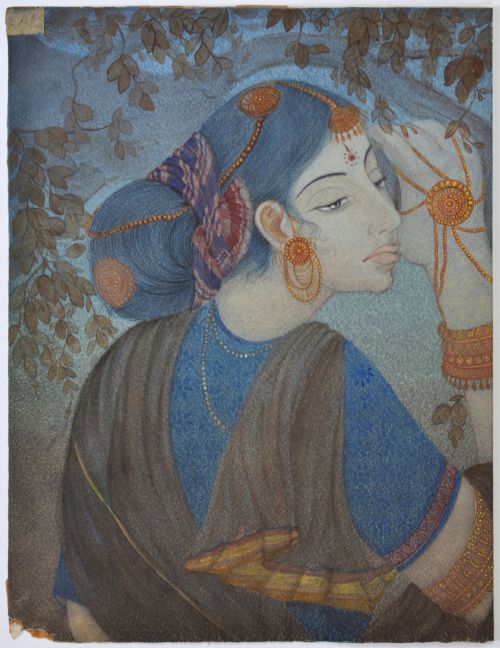
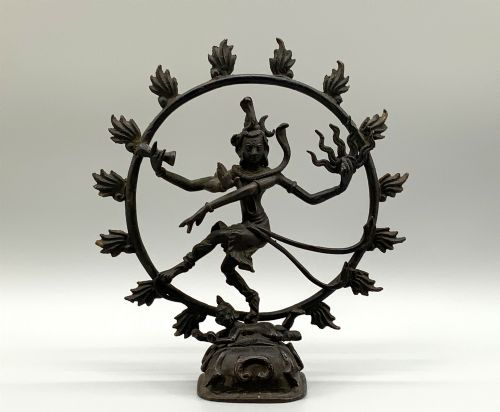
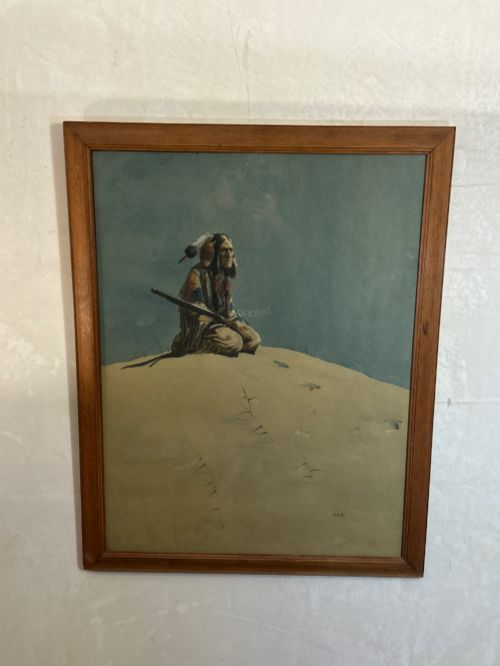
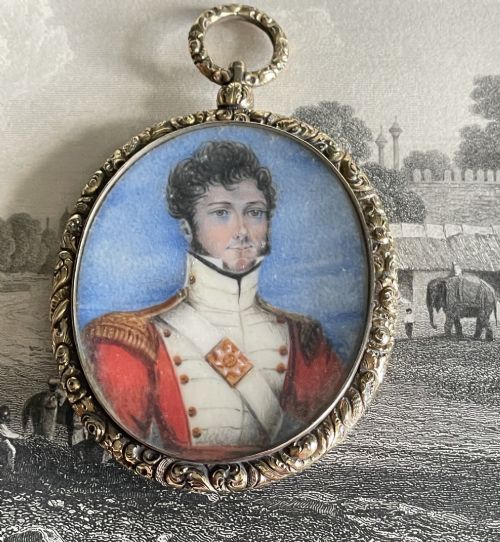
Object types vary widely across the inventory, encompassing framed paintings, portrait miniatures, watercolours, gouache, ink drawings, and bronze sculptures. Wall art also appears in the form of painted wall cloth and Kalamkari temple textiles.
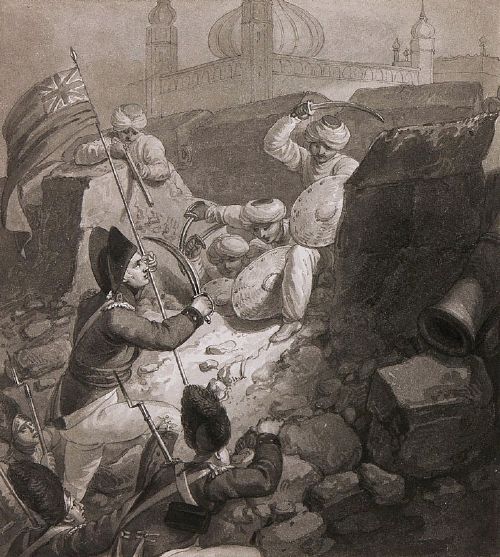
Styles range from Mughal and Indian School compositions to Anglo-Indian and colonial interpretations. Subjects cover historical figures, portraits of nawabs and maharajas, religious narratives involving deities, and architectural studies.
How they were made
Makers utilised traditional pigments on paper, cloth, and wood panel, employing watercolour, gouache, and opaque watercolour techniques alongside pen and wash. Miniatures and album pages often display meticulous brushwork on fine paper surfaces.
Metal sculptures, such as bronze figures, were cast using traditional methods to capture intricate religious iconography and animal forms. Textiles like Kalamkari temple paintings and painted wall cloths involve hand-drawn and mordant-dyed processes on fabric.
A camel rides into view as a single composite beast built entirely from smaller human and animal figures.
What varies in quality
In three-dimensional works and textiles, the crispness of the casting in bronzes and the complexity of the narrative composition in wall cloths or quill work pictures set exceptional examples apart from standard workshop output.
The Antique Indian Artwork Glossary
- Gouache
- An opaque water-based paint that provides solid, vibrant colour areas in Indian miniature paintings.
- Kalamkari
- A traditional type of hand-painted or block-printed cotton textile, often used for large temple hangings.
- Miniature painting
- A small, highly detailed work traditionally executed on paper, ivory, or album leaves.
- Bronze figure
- A metal sculpture cast using the lost-wax method, frequently depicting Hindu deities or animals.
- Album page
- A single leaf from a bound collection, often featuring painting on one side and calligraphy on the reverse.
Antique Indian Artwork: Frequently Asked Questions
What subjects appear in these works?
The inventory covers a broad thematic range, including portraits of rulers like maharajas and nawabs, religious narratives featuring deities, and architectural views.
Scenes also extend to animal studies, courtly romance, and historical military engagements.
How do I date an Indian miniature?
Dating relies on stylistic shifts in costume, facial profile treatment, and the paper or pigments utilised during specific reigns and centuries.
Comparing the border decoration and calligraphy styles to known period examples offers further chronological clues.
How should I display antique textiles?
Textile wall art and painted cloths require careful framing behind UV-filtering glass to protect fragile pigments from light damage.
Keeping them away from direct sunlight and damp environments preserves the integrity of the fabric and colours.
What is an album page?
Album pages are individual leaves historically compiled into royal or noble scrapbooks, often featuring illuminated borders.
They frequently combine fine gouache painting with decorative borders and script.