
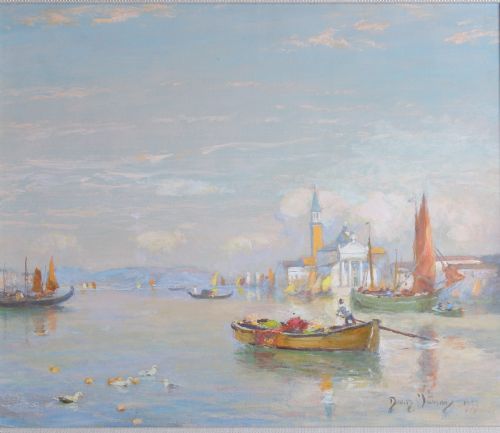
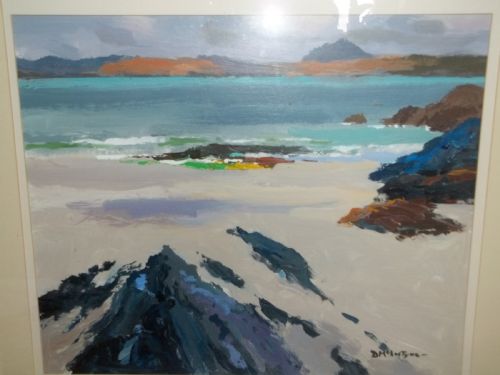

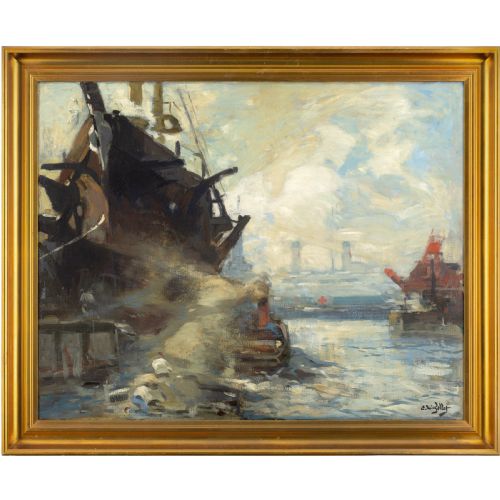
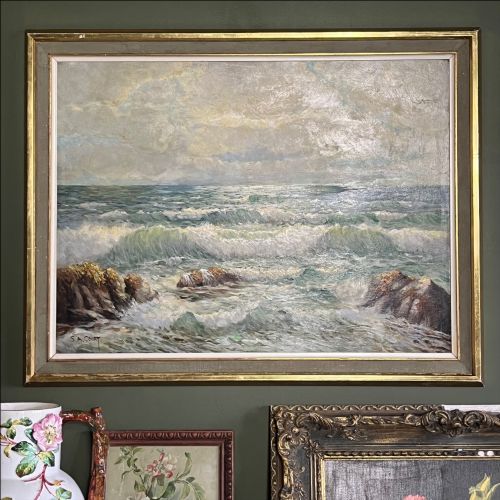

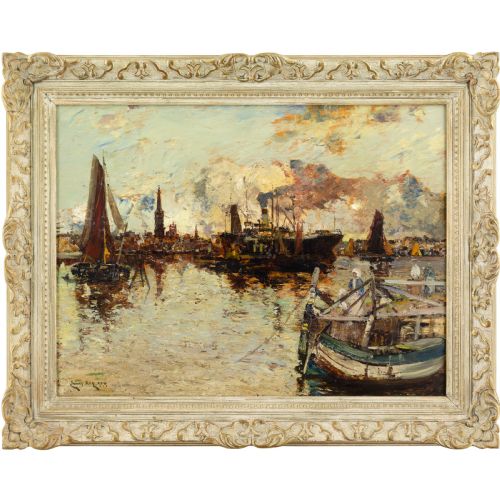
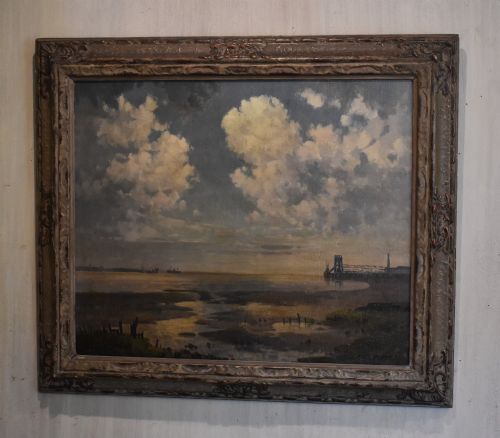
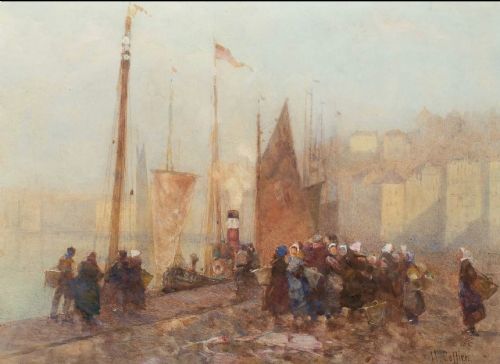
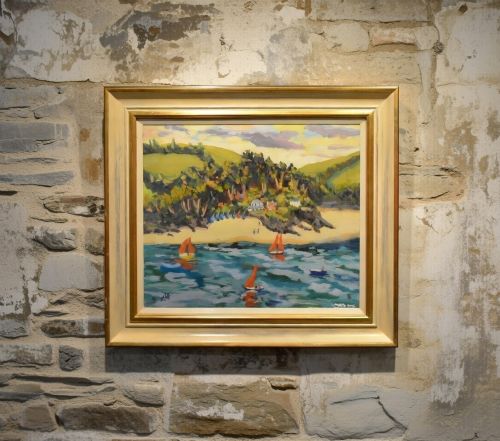
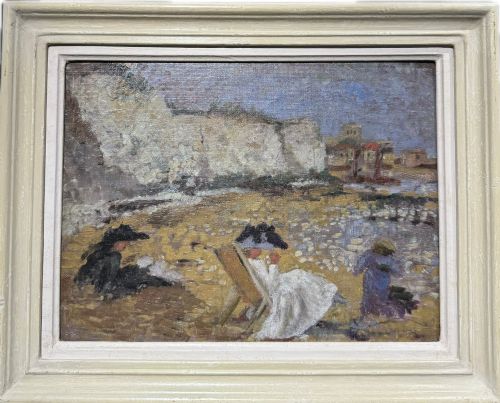
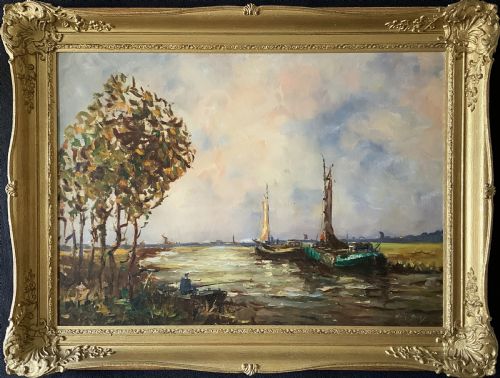
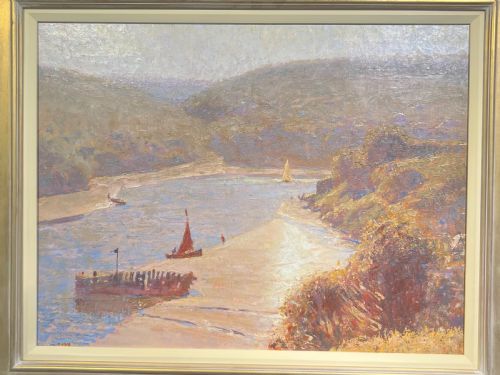
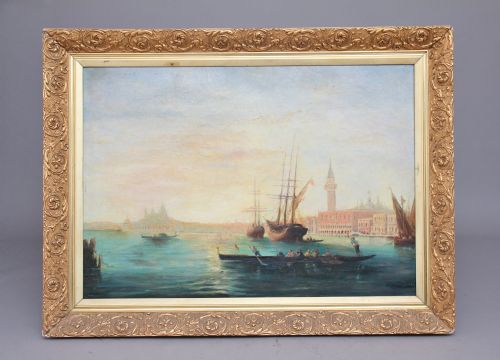


Antique Impressionist Seascape Painting
When you search for an antique impressionist seascape painting, you seek water, light and atmosphere captured through rapid brushwork from the late nineteenth and mid-twentieth centuries.
Antique Impressionist Seascape Painting
An antique impressionist seascape painting captures coastal views, harbours, and open water using loose brushwork and a focus on natural light. These works bridge traditional maritime art with modern stylistic freedom.
The selections on this page span the late nineteenth century through to the mid-twentieth century, with strong representation from the 1900s to the 1930s. Coastal scenes from British and French locales dominate the selection.
Buyers will encounter oil on canvas, oil on board, oil on panel, and watercolour paintings. Many pieces depict specific locations such as St Ives, Venice, and various French ports.
How They Were Made
Artists painted primarily with oil paint on canvas or wood panels, applying pigment with visible, energetic brushstrokes to convey the movement of water and shifting weather. Watercolour on paper appears frequently in marine works intended for lighter compositions.
Many works were executed plein air, allowing painters to record direct observations of coastal atmosphere and changing tides. Gilt frames enclose many of the oil paintings, providing period-appropriate presentation for the artwork.
Several artists packed their easels to brave the salty spray of St Ives just to capture low tide.
What Varies in Quality
The handling of light and atmosphere separates accomplished compositions from static records. Stronger pieces use confident, deliberate brushstrokes that suggest the texture of water and air rather than merely describing them.
Condition of the canvas and pigment stability influence the visual impact. Works that retain their original unlined canvas and stable paint layers without extensive overpainting command greater appreciation.
Sir David Murray RA·Eugène-Louis Gillot·James Kay RSW·Hector Caffier·Willem Bos·Louis Suire·Gustave Vidal·Jean-Baptiste Olive·William Lee Hankey·Edward Seago·Roger de la Corbiere
The Antique Impressionist Seascape Painting Glossary
- Impressionism
- A nineteenth-century art movement characterised by relatively small, thin, yet visible brush strokes and an emphasis on accurate depiction of light.
- Plein air
- The act of painting outdoors, allowing artists to directly observe the landscape and changing light conditions.
- Post-Impressionism
- A predominantly French art movement that developed from Impressionism, extending its use of vivid colours and thick application while adding distinct geometric forms.
- Canvas
- A closely woven heavy fabric used as a support surface for oil paintings.
- Gilt frame
- A wooden picture frame covered with a thin layer of gold leaf or gold paint.
Antique Impressionist Seascape Painting: Frequently Asked Questions
What subjects appear in these seascapes?
The paintings feature coastal harbours, fishing boats, open seas, and Venetian canals. Artists recorded daily maritime life and coastal architecture across Britain and France.
Scenes range from calm waters at sunset to stormy skies and bustling port activities. Each location offers a distinct regional character defined by local light.
How should I care for an oil painting?
Keep paintings away from direct sunlight and extreme temperature fluctuations to prevent the canvas and paint from cracking. Avoid hanging works in damp environments.
Dust the surface gently with a soft, dry brush without applying pressure. Professional cleaning should only be entrusted to a qualified conservator.
How can I tell a watercolour from an oil?
Watercolours are painted on paper, typically displayed behind glass within a frame, showing transparent washes of colour. Oils utilise heavy paint layers on canvas, board, or panel with a textured surface.
Oil paintings often exhibit visible brush relief and do not require glass protection. Paper works demand strict moisture control to prevent foxing and fading.
Where were most of these paintings created?
A significant portion originates from coastal art colonies in Britain, such as St Ives in Cornwall. Other works stem from French ports along the Atlantic and Mediterranean coasts.
Venice also serves as a frequent subject for artists drawn to its unique light and water reflections. Painters travelled extensively to capture these maritime environments.