


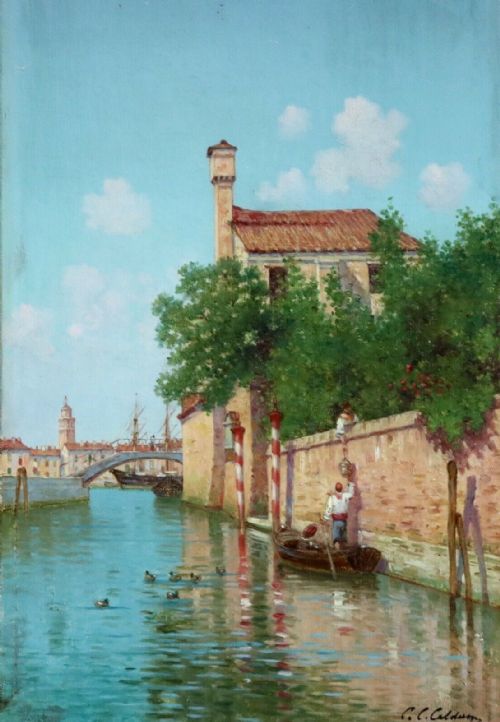
Vintage Venetian Canal Scene
A vintage venetian canal scene brings the luminous waterways and historic palazzos of the floating city straight into your room.
Vintage Venetian Canal Scene
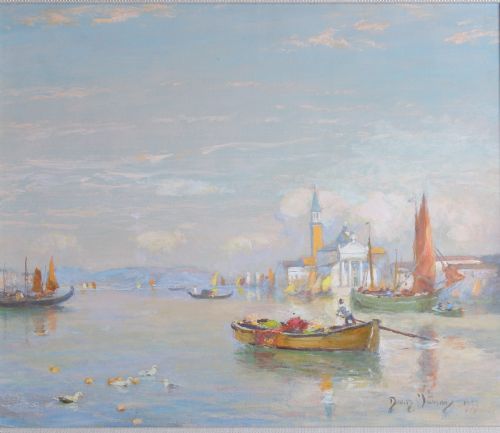
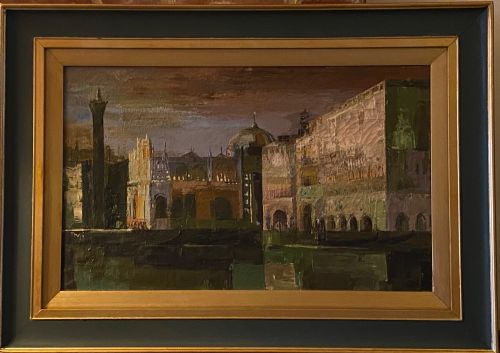
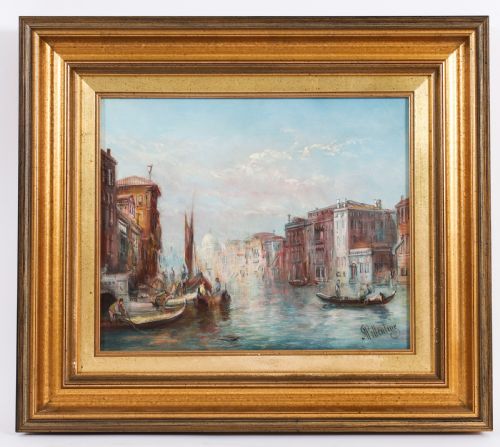
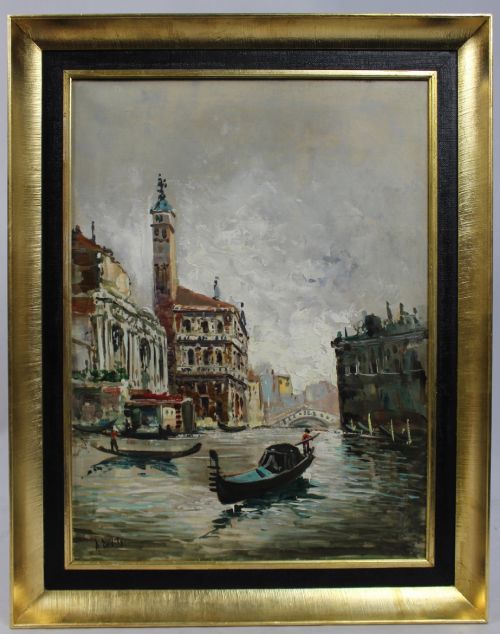
A vintage venetian canal scene depicts the historic waterways, gondolas, and palazzos of Venice through painted and worked surfaces. These works capture the shifting light on the water and the architectural facades of the Grand Canal and smaller tributaries.
The versions most frequently met on this page range from nineteenth century depictions to mid century impressions. They span mediums from oil on canvas to delicate watercolours and pastel works.
Makers and painters approach the subject through impressionist and traditional techniques, recording both bustling waterways and quiet architectural corners. Each piece reflects the enduring appeal of the lagoon city across different decades.
Materials and construction
These works rely on oil paint applied to canvas or wood panels, alongside watercolours and gouache on paper. Artists utilise these mediums to capture the reflective quality of water and the warm stone of Venetian buildings.
Many pieces retain their original wooden frames, sometimes accented with gilt details that complement the painted light. Support materials range from stretched canvas to heavyweight paper and card for watercolours and pastels.
The selection includes depictions from the nineteenth century up to mid twentieth century modern movements.
Factors of quality
Quality rests in the handling of light and atmospheric perspective across the water and sky. The strongest examples display confident brushwork or precise watercolour technique that evokes the specific humidity and colour of the lagoon.
The skill in rendering architectural proportion alongside the fluid movement of gondolas and water separates standard decorative views from accomplished artistic interpretations. Original framing and the preservation of the pigment surface also contribute to the standing of an individual piece.
Sir David Murray RA·Sushila Singh·Alfred Pollentine·Antonio DeVity·Claude Jousset·Marc Aldine·Vittore Zanetti Zilla·Frank Wasley·William Knox·Charles Clement Calderon
The Vintage Venetian Canal Scene Glossary
- Impressionism
- A nineteenth century painting style focused on capturing light and ordinary subject matter with visible brushstrokes. This approach suits the shimmering water effects of Venetian canals.
- Gouache
- An opaque water-based paint that provides solid areas of colour. It often appears alongside watercolour and ink in mixed media canal views.
- Grand Canal
- The main thoroughfare of Venice, lined with historic palaces. It forms the primary subject for many of the larger oil paintings on this page.
- Bridge of Sighs
- A famous enclosed limestone bridge in Venice frequently depicted by artists. It appears in several watercolours and oil paintings in the listings.
Vintage Venetian Canal Scene: Frequently Asked Questions
What periods do these paintings cover?
The listings span from the late nineteenth century through the mid twentieth century. Works from the eighteen eighties sit alongside pieces from the nineteen fifties and sixties.
This broad timeline shows how different generations of painters interpreted the same iconic Venetian waterways and architecture.
Which materials are most common?
Oil paint on canvas and watercolour on paper dominate the available selection. Artists also utilised pastel, gouache, and ink pen for specific atmospheric effects.
Canvas works usually arrive stretched and framed in wood, while watercolours typically feature protective paper mounts and glass frames.
How should I hang a canal scene?
These works suit rooms with good natural light that complements the luminous quality of the subject matter. Pairing them with traditional or mid century interior schemes allows the wooden frames to sit comfortably.
Keep watercolours and pastels away from direct sunlight to protect the pigments on paper over time.
How do I distinguish watercolours from oils?
Watercolours present a transparent, fluid quality on paper, often showing the texture of the sheet beneath the pigment. They are displayed under glass to protect the delicate surface.
Oil paintings exhibit textured brushwork and a heavier paint layer on canvas or wood panels, presenting a more robust physical surface.