


Antique Hound Picture
An antique hound picture captures the energy of the chase and the steady gaze of sporting dogs in oil, watercolour, and print.
Antique Hound Picture
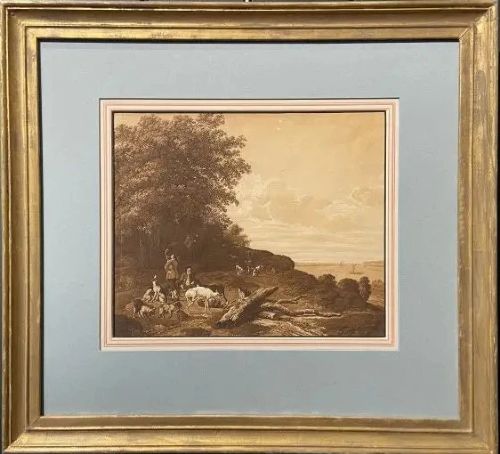
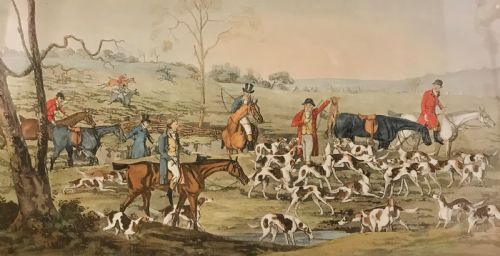
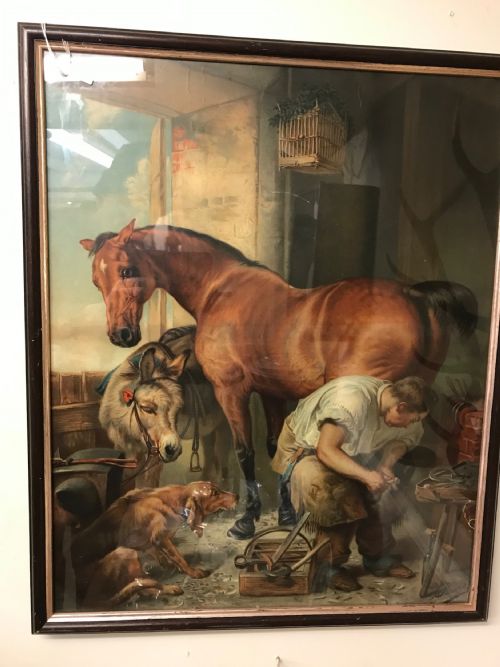
An antique hound picture records the deep history of British sporting art, featuring foxhounds, greyhounds, and gundogs across various mediums. These works range from detailed Victorian watercolours and oil paintings on canvas to hand-coloured engravings and lithographs from the nineteenth century.
Buyers will encounter formal portraits of individual dogs alongside dynamic scenes of hunt packs in motion across open countryside. The pieces frequently reflect the aesthetic tastes of the Georgian and Victorian periods, capturing both working animals and cherished companions.
The selection includes original works by named painters as well as period copies and prints after celebrated animal artists of the era. Each piece offers a window into historical canine portraiture and the traditions of the hunt.
Materials and technique
Artists utilised oil on canvas, wood panel, or board to build rich textures in hound paintings, often finished within period giltwood frames. Watercolours on paper and delicate hand-coloured engravings provided alternative mediums for capturing fine detail.
Lithographs and prints reproduced popular compositions for wider distribution, whilst original works relied on layered brushwork to define the coats and muscular forms of the dogs.
Listings span from the seventeenth century through to the mid-twentieth century, featuring oils, watercolours, wood, and paper.
What varies in quality
Quality rests in the anatomical accuracy of the hound and the expressive handling of light across the animal's coat and surroundings. Master works demonstrate a confident command of movement and individual character rather than rigid formula.
The survival of the original surface, uncompromised by heavy restoration, distinguishes finer paintings and prints from lesser examples of the period.
Johannes Lingelbach·Edwin Henry Landseer·Arthur Wardle·Samuel Raven·Colin Graeme Roe·John Sanderson-Wells·Henri Schouten·Tom Carr·Heywood Hardy·Guillaume Urban Régamey·George Goodwin Kilburne·Wilfred Bailey
The Antique Hound Picture Glossary
- Sporting art
- Depictions of rural sports, hunting, and animal subjects that gained immense popularity during the Georgian and Victorian eras. These works often focus on horses, hounds, and shooting scenes.
- Giltwood
- Timber carved and coated with gold leaf or metallic paint, commonly used for framing traditional oil paintings and watercolours. It provides a warm, reflective border to the artwork.
- Engraving
- A printmaking technique where an image is incised into a metal plate, holding ink to transfer fine lines onto paper. Hand-coloured examples feature applied watercolour washes.
- Lithograph
- A planographic print created from a stone or metal plate, allowing for smooth tonal gradations. This method was widely utilised for reproducing popular sporting scenes in the nineteenth century.
Antique Hound Picture: Frequently Asked Questions
What is an antique hound picture?
An antique hound picture is a period painting, watercolour, or print depicting hunting dogs, pack scenes, or individual canine portraits.
These works date predominantly from the eighteenth, nineteenth, and early twentieth centuries, reflecting the strong tradition of British sporting art.
How were these dog paintings framed?
Many period artworks are housed in their original wood frames, frequently enhanced with gold leaf or giltwood finishes.
Original framing helps preserve the historical context and integrity of the piece over time.
How do I identify a Victorian hunting print?
Victorian hunting prints often utilise engraving or lithography techniques on aged paper, sometimes featuring delicate hand-colouring.
They frequently reproduce celebrated works by artists of the period, depicting hounds in active pursuit across the countryside.
Where should I hang a sporting painting?
Sporting paintings suit traditional interiors, studies, or hallways where their rich wooden tones and equestrian themes can be appreciated.
Keep them away from direct sunlight to protect the pigments in both oils and watercolours.