




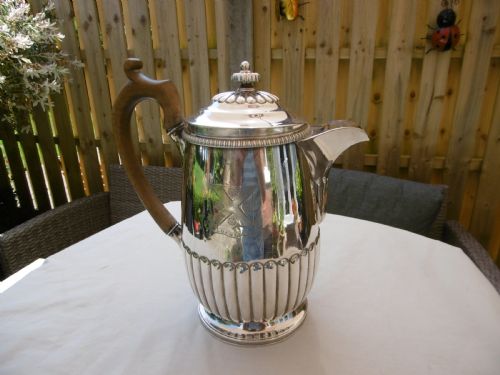


Antique Hot Water Plate
When you handle an antique hot water plate, you hold a clever piece of Georgian or 19th-century dining history designed to keep food warm at the table.
Antique Hot Water Plate
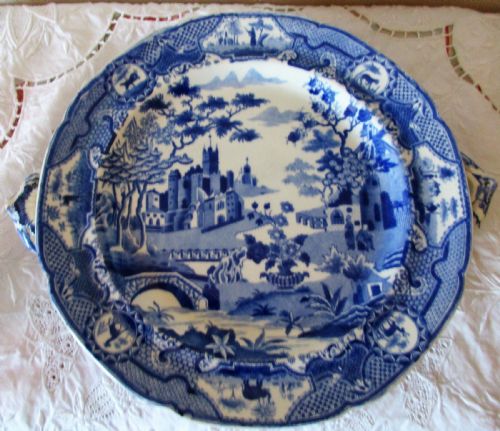
An antique hot water plate is a specialised ceramic or metal dish featuring a double-walled interior designed to be filled with boiling water through a small spout or plug. This ingenious cavity kept meat, gravies, and sauces from chilling during long, leisurely meals in grand dining rooms. While the archive records related warming vessels like spoon warmers, the surviving plates on this page reflect robust domestic dining culture.
Collectors search for these items to appreciate period craftsmanship and to utilise them as functional centerpieces or decorative wall platters. They represent a tangible link to historical dining habits, long before modern warming technology existed in domestic kitchens. The diverse styles range from restrained Georgian neoclassical forms to ornate Victorian revivals.
How They Were Made
Potters constructed ceramic hot water plates from refined earthenware bodies, applying transfer-printed cobalt designs beneath a clear glaze before kiln firing. The hollow compartment for water required careful throwing or moulding of upper and lower sections before fusing them together while leather-hard.
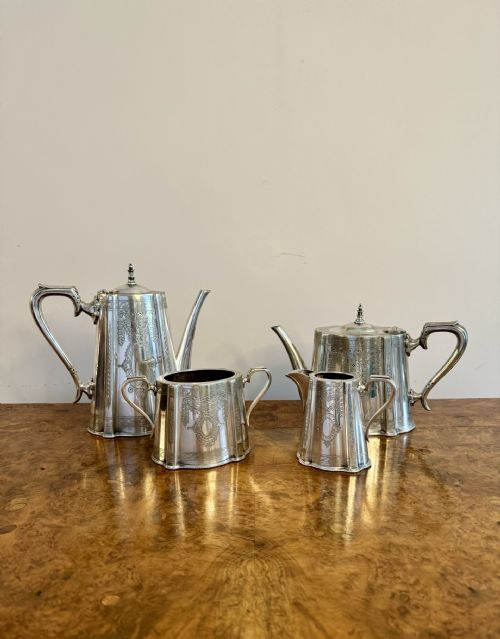
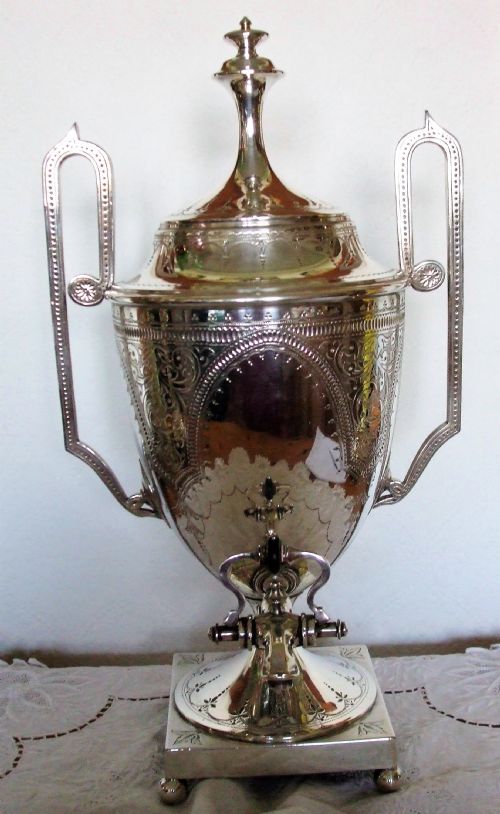
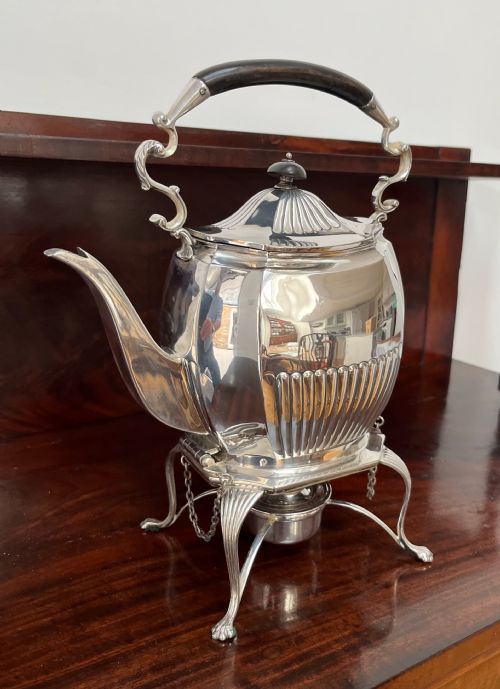
Metal versions depended heavily on Old Sheffield Plate, fusing a thin sheet of silver to a thicker copper base under high heat to achieve a durable metallic bond. Silversmiths then hammered, spun, or soldered the composite sheets into hollow plates, attaching cast handles and screw-in stoppers for the reservoir.
Makers finished the metal pieces by hand-chasing decorative borders and polishing the silver surfaces to a high lustre. Ceramic plates relied on the precision of the copperplate transfer technique to deliver crisp, repeating patterns around the rim and well.
Listings feature items spanning the 18th century, Georgian period, 19th century, and Victorian era, utilising materials like silver plate, copper, and pottery.
What Varies in Quality
Quality rests in the crispness of the transfer print and the integrity of the ceramic glaze, where sharp lines and even coloration distinguish superior output. In metal plates, the thickness of the silver layer over the copper base dictates longevity, with heavier plating resisting the wear of decades of polishing.
The sophistication of the casting work on handles, spouts, and borders separates standard utilitarian vessels from high-end presentation pieces. Well-preserved threaded stoppers and intact internal partitions indicate careful historical maintenance and superior original construction.
Spode·Matthew Boulton·John Hoyland·Walker and Hall·Risler and Carré Paris·Boardman Glossop and Co
The Antique Hot Water Plate Glossary
- Old Sheffield Plate
- An early fused bilayer metal combining copper and silver. Craftsmen created this material before modern electroplating by heating and rolling the metals together.
- Transfer Printing
- A decoration technique using an engraved copper plate to transfer a design onto tissue paper, which was then pressed onto pottery. This allowed intricate patterns to be applied rapidly to ceramics.
- Warming Dish
- A vessel featuring a cavity for heated water or embers. These pieces maintained the temperature of food or cutlery during dining.
- Well and Tree
- A serving platter design featuring a recessed well to catch juices and channels carved into the surface. It often appeared alongside warming technology on dining tables.
- Spode
- A prominent English pottery factory known for pioneering blue and white transferware. Their output defined much of the ceramic tableware market in the Georgian and Victorian periods.
Antique Hot Water Plate: Frequently Asked Questions
How did hot water plates work?
These plates featured a double-walled construction with a hollow interior space accessed via a small plug or spout at the rim. Servants filled this internal reservoir with boiling water just before serving the meal to keep food warm.
The heat transferred steadily through the upper plate surface, preventing heavy meats and sauces from cooling too quickly during long courses.
What materials were used?
Makers produced these items in both ceramic earthenware and metal, particularly Old Sheffield Plate and silver plate over copper. Ceramic versions typically featured transfer-printed decoration beneath a glossy glaze.
Metal examples offered greater durability and a formal aesthetic, matching the holloware and tea services used in wealthy households.
Can I still use them today?
Many collectors choose to utilise ceramic and metal warming plates for serving food at modern dinner parties, provided the internal chambers are clean. Metal versions require gentle hand washing to protect the underlying copper and silver plating.
They also function well as decorative display pieces on walls or dressers when not in active service on the dining table.
How do I date an antique plate?
Dating relies on examining maker marks stamped into the metal base or ceramic backstamps beneath the glaze. Stylistic clues, such as Georgian neoclassical borders or Victorian decorative motifs, also narrow down the period of manufacture.
The weight, manufacturing technique, and evolution of silver plating methods provide further evidence for determining age.