


Antique Horse Door Porter
These antique horse door porter pieces hold open heavy doors with cast metal weight and stable equestrian form.
Antique Horse Door Porter
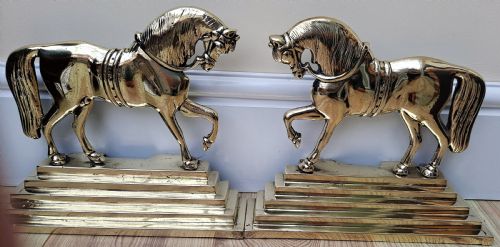
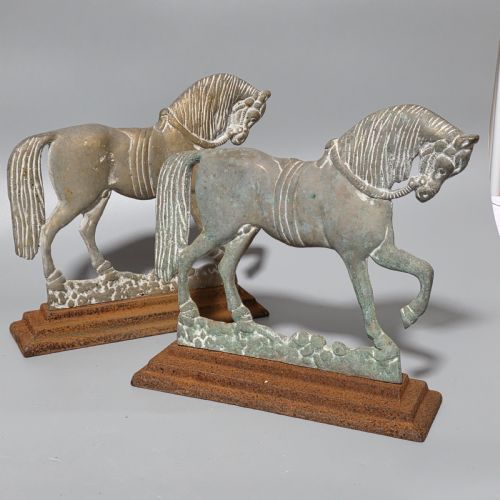
An antique horse door porter brings sturdy utility and equestrian character to heavy interior portals, serving both as a functional door keeper and a decorative ornament. Collectors seeking an antique horse door porter most frequently encounter Victorian examples cast from heavy metal, shaped as standing horses, saddled figures, or ploughman teams.
The selection ranges from single figures to balanced pairs designed for formal hearths and hallways. Pieces span the nineteenth century through the early twentieth century, reflecting the prevailing domestic tastes of Georgian, Victorian, and Edwardian households.
Materials and casting methods
Brass versions often receive a polished finish to highlight the decorative contours, while cast iron pieces retain a heavier, industrial weight suited to rustic farmhouse interiors.
Distinguishing quality across examples
The choice of material and the presence of a matching pair also elevate a piece, as paired chimney horses require careful symmetry and consistent foundry work.
The Antique Horse Door Porter Glossary
- Door porter
- A heavy weight used to keep a door propped open in hallways and rooms. This term is often used interchangeably with doorstop.
- Cast iron
- A strong, heavy alloy poured into moulds to form rigid objects. It provides substantial weight for holding large doors.
- Cast brass
- A bright copper and zinc alloy shaped through foundry casting. It offers a decorative appearance alongside practical heft.
- Equine
- Pertaining to horses, describing the dominant animal form depicted in these pieces. Collectors frequently seek equine subjects for country house decor.
Antique Horse Door Porter: Frequently Asked Questions
How heavy are these door stops?
These items are cast in solid brass or iron to provide the substantial mass needed to hold heavy wooden doors in place.
The density of the metal ensures the piece remains stationary even when doors are caught by drafts.
Are they found in pairs?
Pairs occasionally appear, particularly those designed to stand beside a fireplace or large double entrance doors.
Single figures are also common, representing individual animals or working ploughman teams.
How do I date a door porter?
Dating relies on stylistic details, metal casting characteristics, and historical periods such as Victorian or Georgian.
Examining the wear patterns and the type of metal helps place the object within the nineteenth or early twentieth century.