


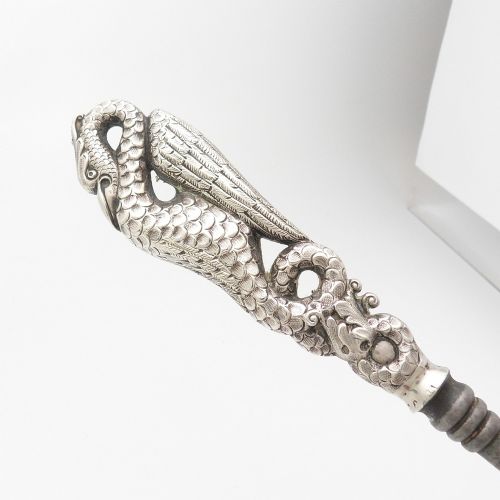


Antique Horn Table
An antique horn table brings organic texture and nineteenth-century novelty into a room, combining natural materials with metal mounts.
Antique Horn Table
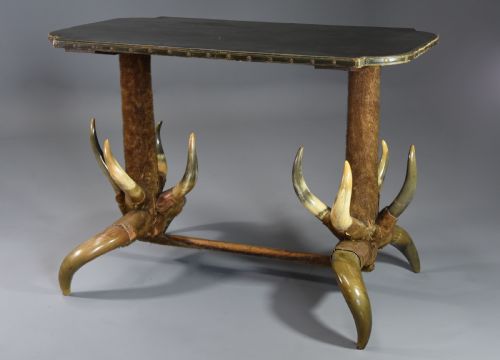
An antique horn table uses natural animal horn paired with timber and metal to create striking furniture from the Victorian period and the nineteenth century.
Buyers seeking an antique horn table encounter substantial furnishing items such as large cow horn dinner gongs mounted in oak, alongside smaller novelty objects.
The selection ranges from nineteenth-century German examples to domestic Victorian designs that utilise cattle horn and brass.
How they were made
Maker's workshops combined natural cattle horn, ram horn, and stag horn with sturdy timbers like oak and structural metals including brass, sterling silver, and silver plate.
Craftsmen shaped and polished the horn sections, securing them to wooden bases and metal mounts with precision to ensure stability and display the natural grain.
Antique Horn Table Retail Price Guide 2026
Typical asking prices for horn table among the pieces listed under this phrase on Sellingantiques today, from the lower quarter to the upper quarter. They describe what is for sale here now, not the wider market.
What varies in quality
Quality rests in the smoothness of the horn polishing, the integrity of the joins between the organic material and the metal mounts, and the preservation of the original surface.
Superior examples display balanced proportions, clear hallmarks on silver components, and robust mounting that secures the horn without splitting.
Braham·Horace Woodward and Co Ltd·Asprey
The Antique Horn Table Glossary
- Horn
- A tough, fibrous material derived from the outer sheath of the horns of cattle, rams, and stags, shaped and polished for decorative objects and furniture.
- Dinner gong
- A large musical percussion instrument mounted on a stand, often constructed from cow horn and oak with a metal striker.
- Sterling silver
- A silver alloy containing 92.5 percent pure silver by mass, frequently utilised for mounts, collars, and hinged lids on horn pieces.
- Silver plate
- A layer of silver applied to a base metal core, commonly found on nineteenth-century table accessories and mounts.
- Victorian
- The period spanning the reign of Queen Victoria, marked by eclectic design revivals and a taste for novel natural history objects.
Antique Horn Table: Frequently Asked Questions
How do I clean an antique horn table?
Dust the horn gently with a dry microfibre cloth and avoid using harsh chemical sprays or excess water on the natural material.
Polish any accompanying silver or brass mounts sparingly with a dedicated metal cloth, taking care not to smear polish onto the horn surface.
Are these tables sturdy enough for daily use?
These nineteenth-century pieces require thoughtful placement away from direct heat sources and strong sunlight, which can dry out natural horn.
While constructed with durable oak and metal frames, they function best as decorative accent pieces rather than heavy-duty utility furniture.
How can I tell a Victorian piece from an Edwardian one?
Victorian examples often display heavy gothic or eclectic revival influences, utilising massive cow horns mounted on solid oak bases with prominent silver plate.
Edwardian items frequently shift towards domestic utility and refined sets, such as carved horn bowls with smaller silver mounts.
What metals are typically paired with the horn?
Craftsmen most frequently combined horn with brass, sterling silver, silver plate, and white metal for mounts, rims, and decorative banding.
Silver components often bear hallmarks that help date the manufacture of the metal mounts to specific nineteenth-century years.