


Antique Hooked Rug
An antique hooked rug brings robust folk art texture and geometric warmth to a floor, offering durable wool pile crafted by hand.
Antique Hooked Rug
Materials and construction
These textiles rely primarily on wool, hand-spun wool, and cotton fibres, often worked over sturdy foundations like burlap or jute. Some regional pieces incorporate camel hair to achieve natural tonal depths within the ground.
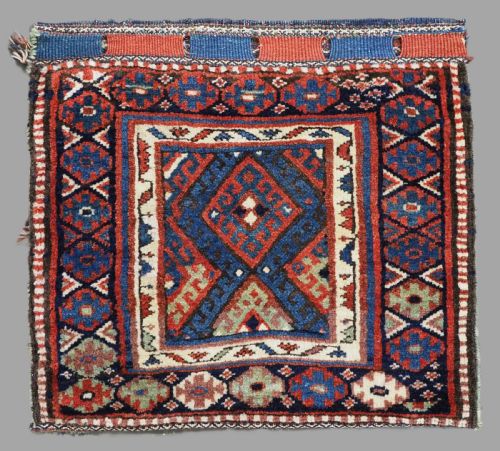
Weavers constructed runners, saddlebag faces, and complete bags using traditional tribal techniques. The integration of latch hook motifs required precise placement to form geometric medallions across the surface.
Several items survive only as cheerful saddlebag faces, once carried across mountains by nomadic tribes before finding new life on modern floors.
Distinctions in quality
Quality rests upon the fineness of the hand-spun wool and the structural integrity of the weave. Superior examples display balanced proportions in their medallion layouts and retain rich, soft colours derived from traditional dyeing methods.
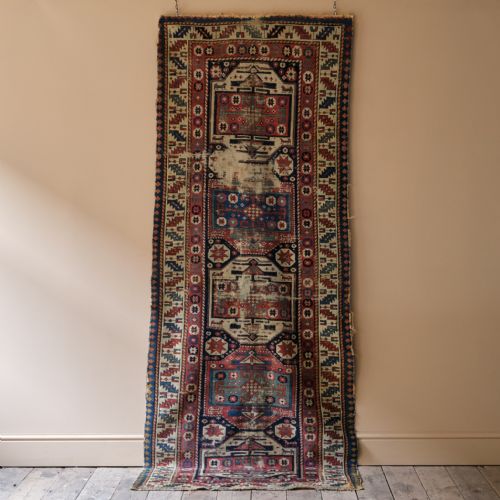
Pieces that preserve complete original formats, such as intact bag backs or well-proportioned runners, demonstrate higher artisanal standard. The clarity of the geometric drawing further separates standard items from exceptional survivals.
The Antique Hooked Rug Glossary
- Latch hook
- A recurring geometric motif featuring stepped edges that form hooked corners within medallions. This design element appears frequently across Caucasian and Kurdish weaving traditions.
- Gul
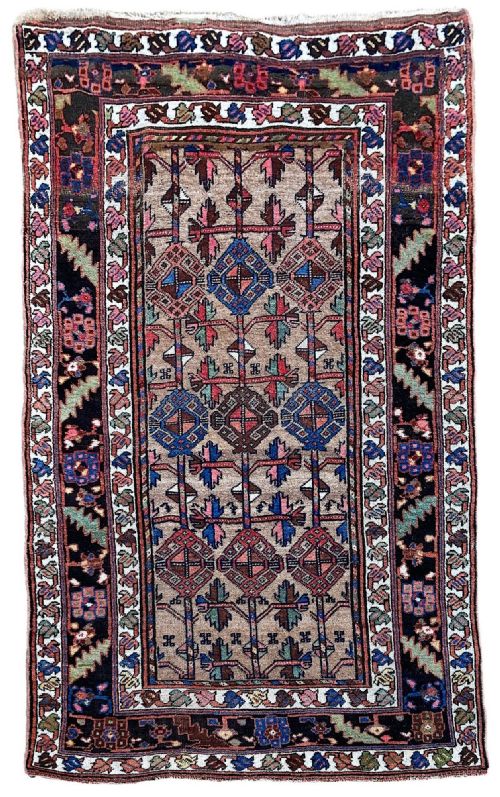
- A medallion pattern used extensively in tribal rugs to identify specific clans or regions. These motifs often repeat in structured rows down the centre of the field.
- Burlap
- A coarse woven fabric utilised as a foundation material in textile production. It provides the heavy backing required for many folk art floor coverings.
- Kazak
- A designated style of Caucasian rug known for bold geometric designs and saturated primary colours. These pieces date predominantly to the nineteenth and early twentieth centuries.
- Runner
- A long, narrow carpet format designed for hallways and passageways. These textiles accommodate specific architectural spaces while displaying continuous border patterns.
Antique Hooked Rug: Frequently Asked Questions
How do I clean an antique hooked rug?
Gentle surface vacuuming without a beater bar removes loose dust without disturbing the textile fibres. Professional textile conservators should handle deeper washing to protect fragile wool and foundational materials.
Avoid chemical spot cleaners that can damage natural dyes and weaken hand-spun wool. Periodic rotation ensures even wear across high-traffic areas.
Where were these rugs made?
The pieces originate from diverse geographic regions including the Caucasus, Kurdish territories, and American folk art communities. Each region utilised local materials like sheep wool, cotton, and jute.
Weavers applied traditional local motifs such as Memlinc guls and latch hook medallions. These design markers help identify the specific tribal workshop or provenance of each textile.
Are these rugs suitable for daily use?
Robust wool construction and durable foundations allow many of these textiles to handle moderate floor traffic. Placing a quality underlay beneath the rug prevents slipping and reduces fibre compression.
Delicate formats like saddlebag faces or fine wall textiles benefit from low-traffic placement. Selecting the appropriate location preserves the structural integrity of older weaves.
How do I date an antique rug?
Stylistic indicators such as natural colour palettes, specific medallion geometries, and weave density provide primary clues for dating. Structural analysis of the warp and weft materials further clarifies the period of manufacture.
Most items date from the late nineteenth century through the early decades of the twentieth century. Comparative study of known regional types helps narrow the decade of origin.