




Antique Home Bar
An antique home bar brings period character to modern entertaining, offering clever storage for bottles and glassware.
Antique Home Bar
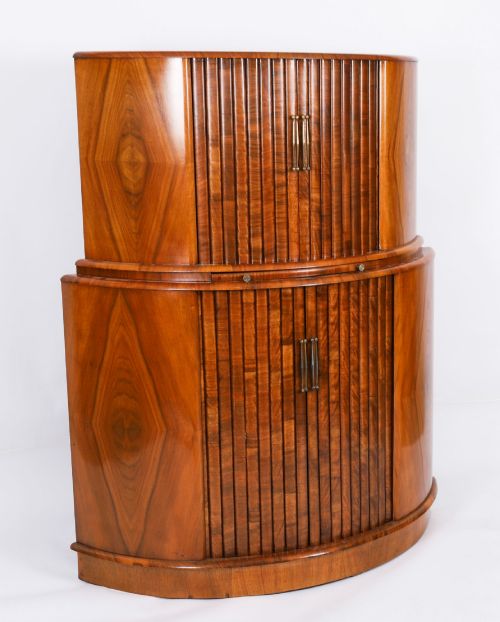
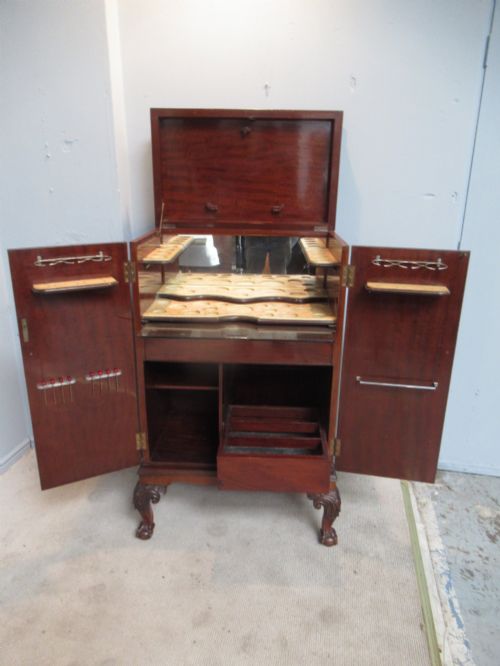
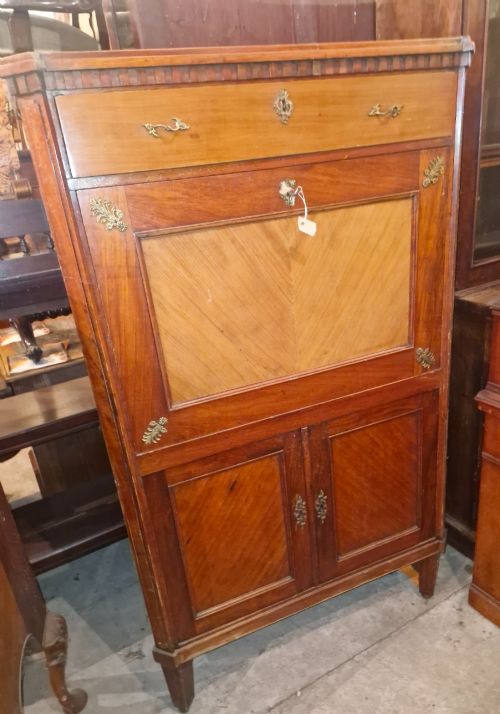
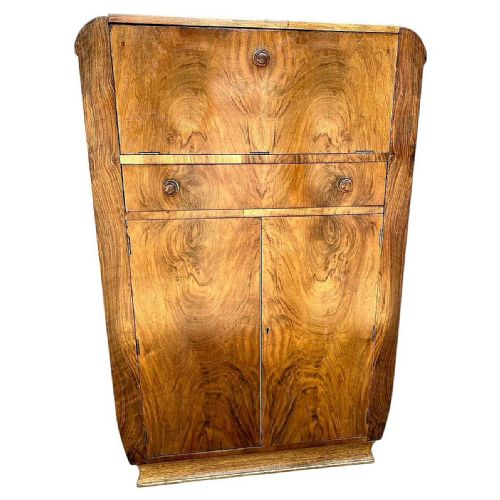
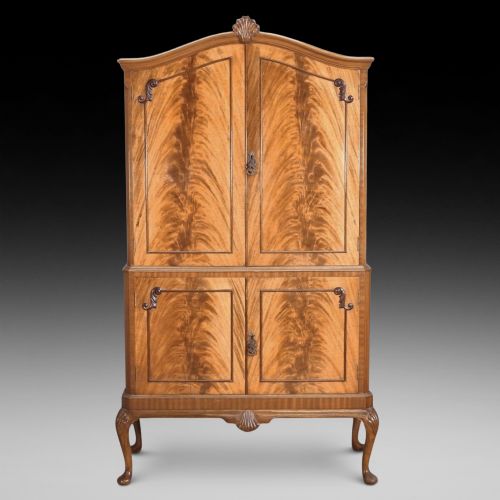
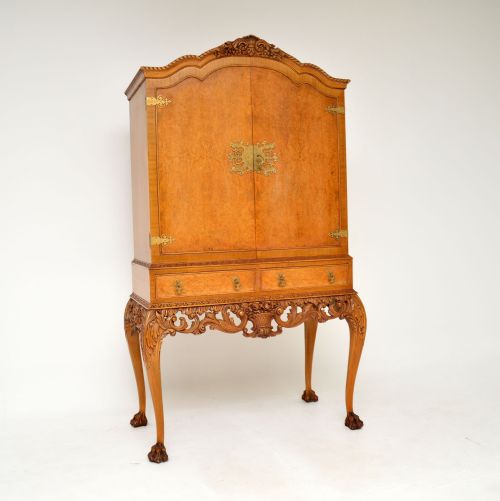
When searching for an antique home bar, collectors encounter drinks cabinets, cocktail cabinets, and fitted front and back bars spanning the Victorian era through the Art Deco period. The most common form on this page is the cocktail cabinet, particularly examples executed in burr walnut during the 1920s and 1930s.
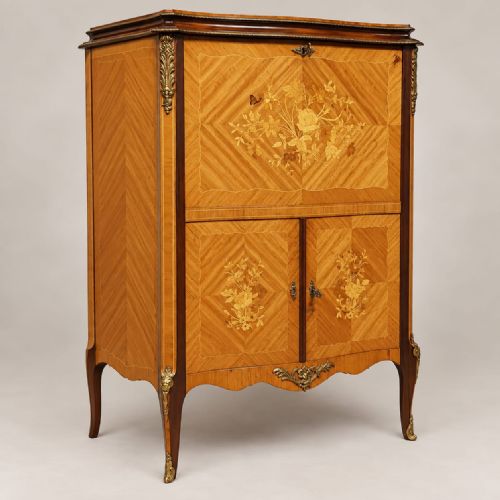
Pieces range from carved oak pulpit bars dating to 1800 and 19th-century Victorian mahogany setups to sleek maple designs from the interwar years. Period revivals also appear frequently, including Queen Anne, Chippendale, and William & Mary styles applied to drinks furniture.
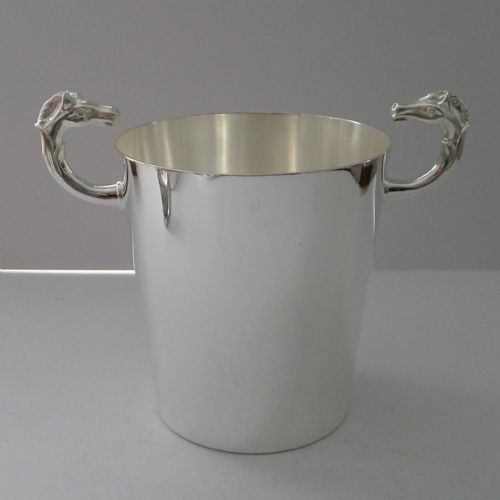
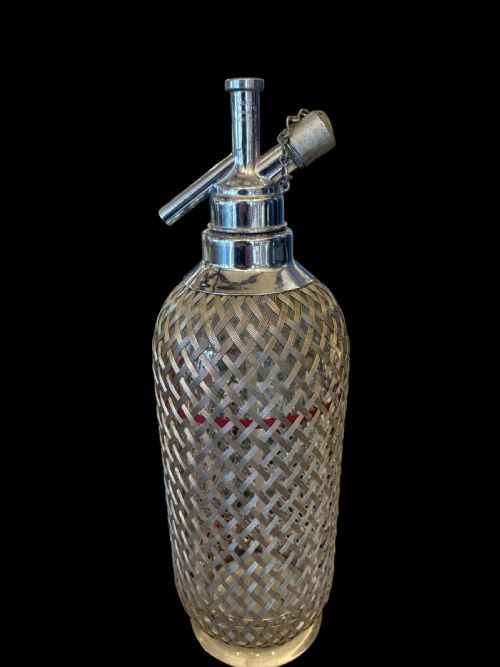
Smaller accoutrements such as barware, soda syphons, and cocktail shakers supplement the larger furniture items. These accessories complete a traditional setup with period authenticity.
Materials and construction
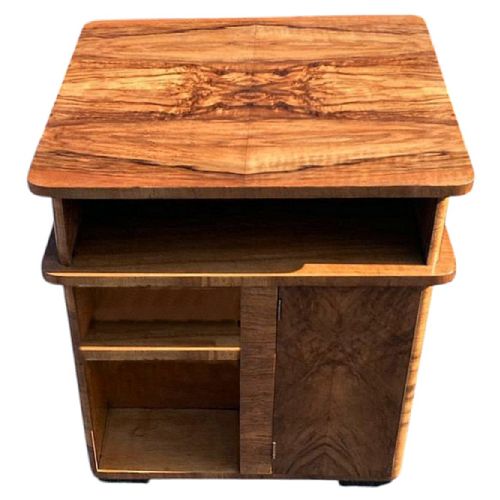
Cabinet makers relied heavily on timber veneers like burr walnut, figured walnut, and bird's-eye maple to create striking grain patterns on exterior surfaces. Solid oak and mahogany provided sturdy structural frames for larger front and back bars as well as revival pieces.
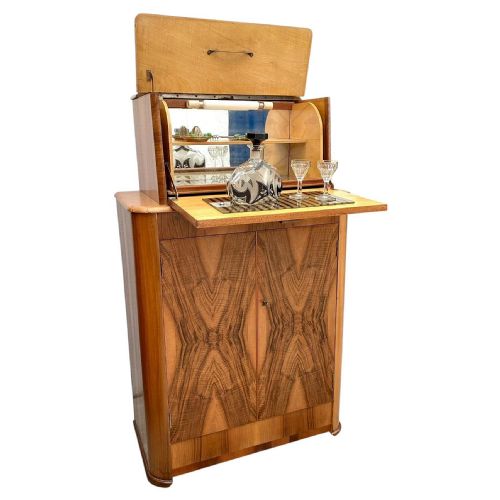
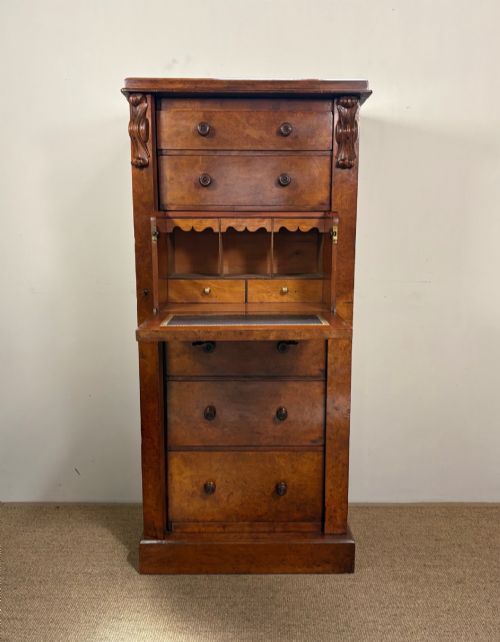
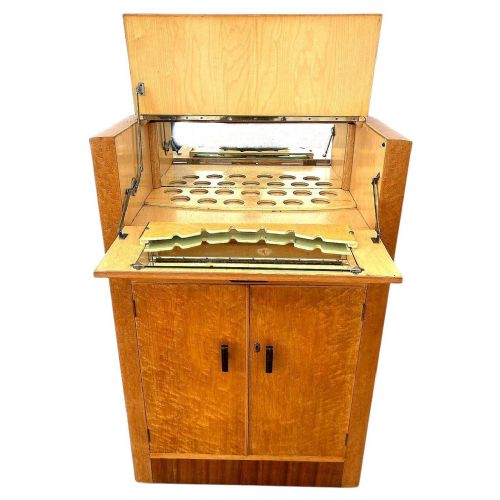
Interiors often incorporated mirror glass backings, chrome fittings, and brass hardware to reflect light and display glassware effectively. Specialised pull-down flaps and secretaire drawers transformed surface areas into functional mixing stations.
Antique Home Bar Retail Price Guide 2026
Typical asking prices for home bar among the pieces listed under this phrase on Sellingantiques today, from the lower quarter to the upper quarter. They describe what is for sale here now, not the wider market.
Materials utilised in these items include brass, walnut, burr walnut, glass, mahogany, mirror, oak, and chrome.
Assessing craftsmanship
Quality rests upon the selection of veneer timbers, where richly figured burr walnut and bird's-eye maple elevate a piece above standard plain woods. Master workshops applied these veneers with meticulous book-matching across doors and drop-front panels.
Interior fittings and original hardware dictate the tier of a cabinet, distinguishing standard production from high-end commissions. Integrated lighting, bevelled mirror glass, and intact chrome or brass accessories demonstrate superior construction.
H&L Epstein·Harry and Lou Epstein·Waring & Gillows·Harrods
The Antique Home Bar Glossary
- Cocktail cabinet
- A specialised piece of furniture designed for storing bottles, glasses, and mixing equipment, typically featuring a fold-down preparation shelf.
- Burr walnut
- A highly prized timber veneer sourced from walnut tree growths, notable for its swirling, decorative grain patterns.
- Secretaire
- A cabinet or chest incorporating a pull-down writing flap that conceals a fitted interior of small drawers and pigeonholes.
- Art Deco
- A design style from the 1920s and 1930s characterised by sleek geometric shapes, streamlined forms, and modern materials.
Antique Home Bar: Frequently Asked Questions
How do I use an antique cocktail cabinet today?
These cabinets serve as dedicated home bars for storing bottles, glassware, and mixing tools within living spaces and dining rooms.
Drop-down flaps provide a convenient surface for pouring drinks while lower cupboards conceal larger spirit bottles and accessories.
What periods do antique home bars come from?
The selection spans from 19th-century Victorian front and back bars to early 20th-century interwar pieces.
Art Deco designs from the 1920s and 1930s dominate the selection, often featuring sophisticated burr walnut and maple veneers.
Are revival styles common in drinks cabinets?
Cabinet makers frequently applied historical motifs to 1920s and 1930s furniture to suit traditional domestic interiors.
Common revivals include Queen Anne, Chippendale, and William & Mary styles executed in mahogany and walnut.
What smaller bar items are available?
Collectors can find period barware including soda syphons and cocktail shakers complete with integral lemon squeezers.
These functional items date from the early 20th century and complement larger drinks cabinets.