
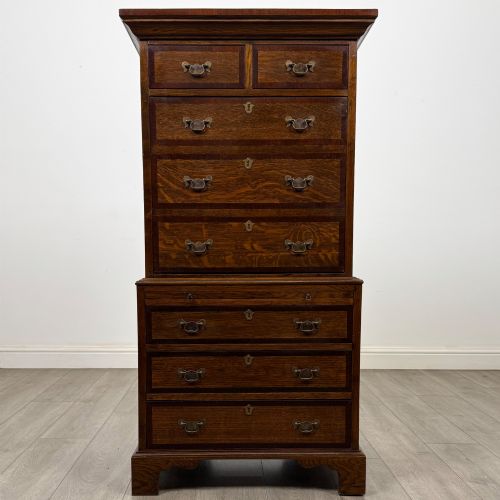

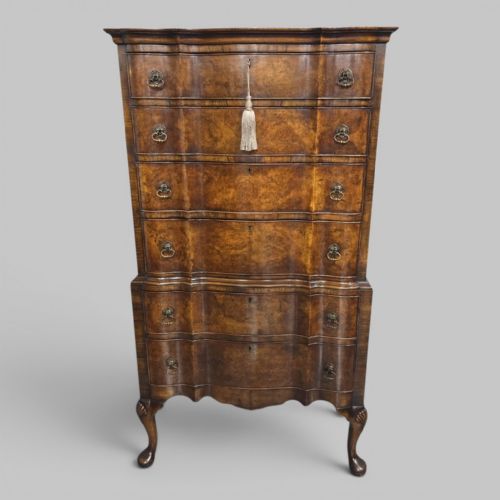


Antique Highboy Dresser
These antique highboy dresser pieces are tall chests built for storage, combining fine cabinetwork and practical height.
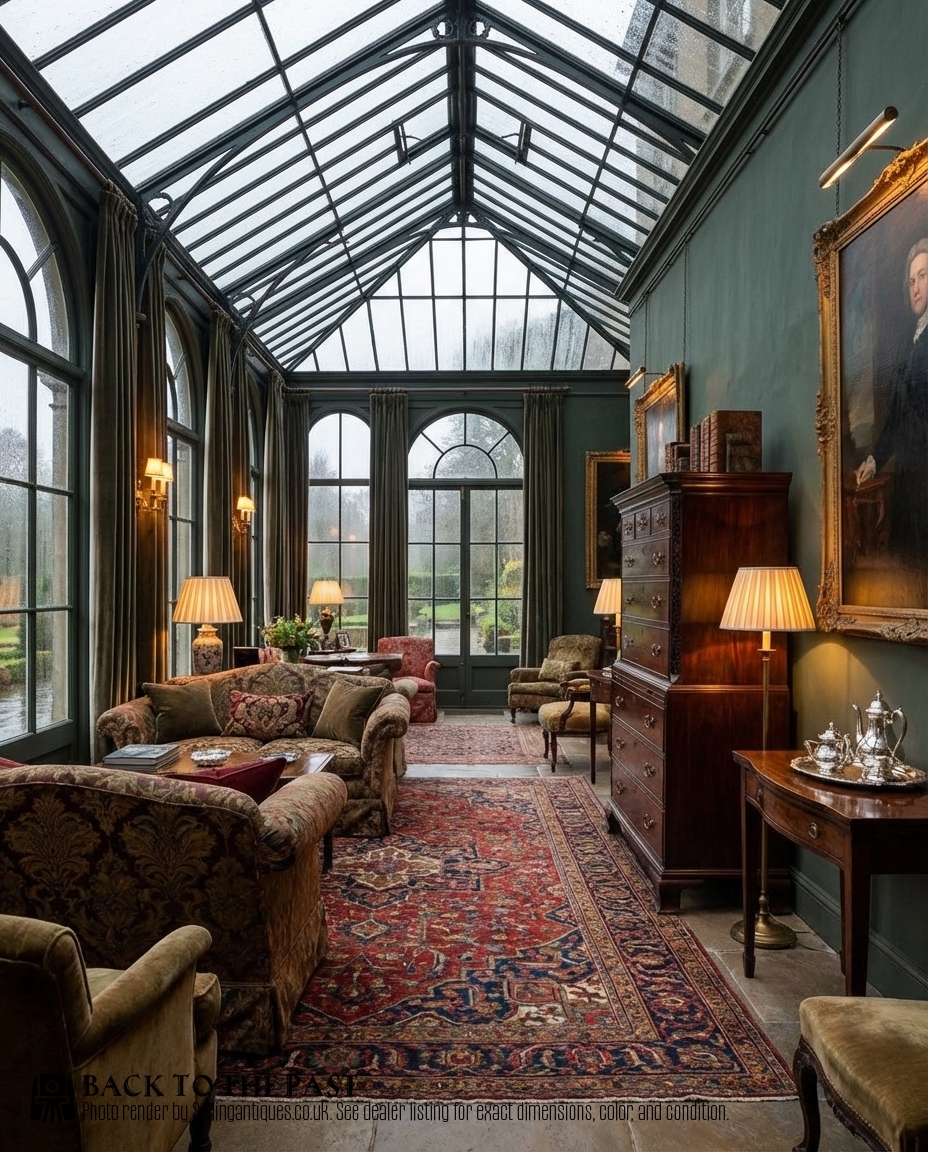
What They Are
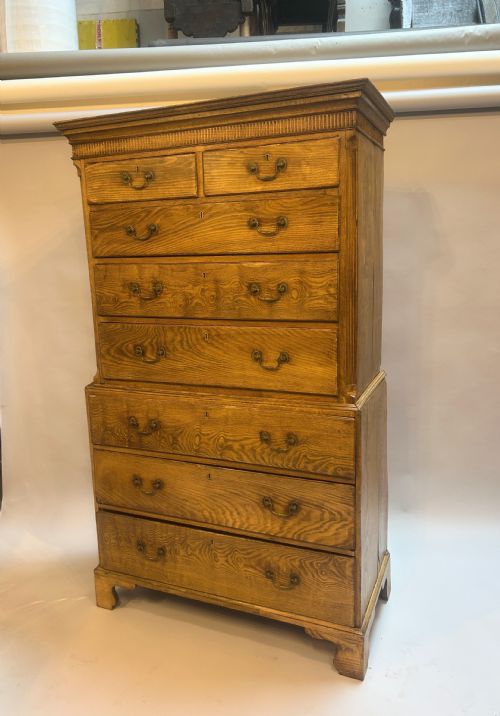
When you search for antique highboy dresser examples, you encounter tall stacked chests of drawers split into distinct upper and lower sections, often called tallboys or chests on chests.
The pieces appearing here span the 18th century, 19th century, and Georgian periods, featuring styles such as George III, Victorian, and Queen Anne.
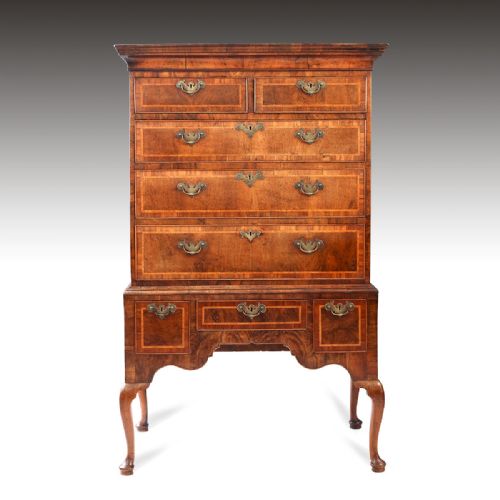
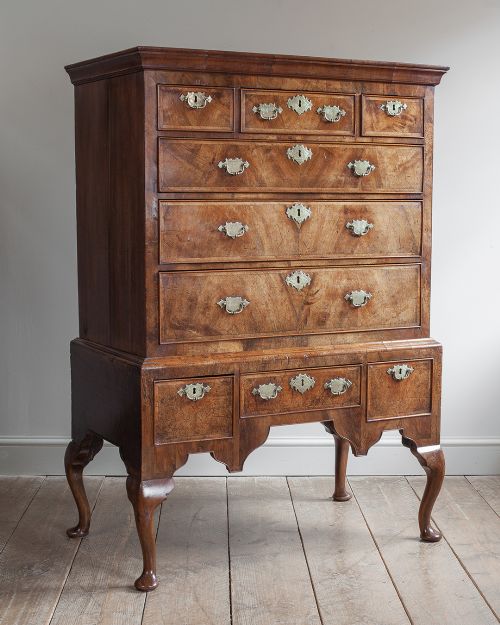
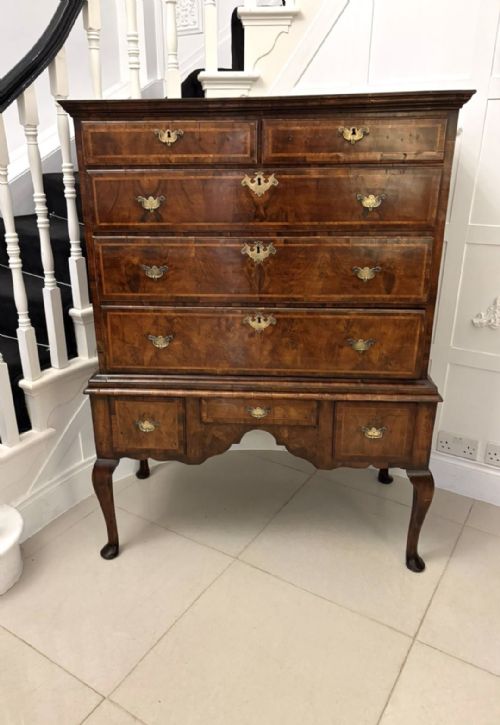
Forms include tall graduated chests of drawers and chests on stands supported by cabriole legs, typically constructed using mahogany, walnut, oak, and pine.
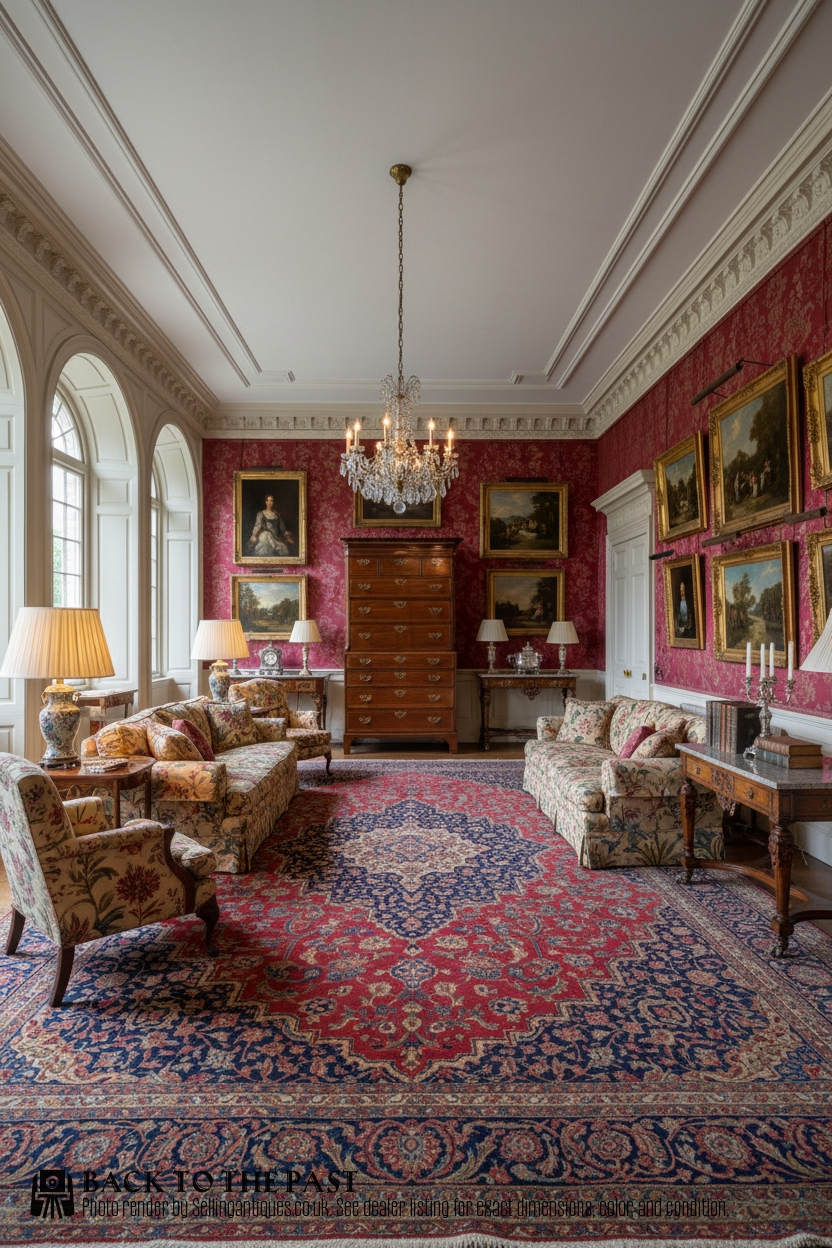
How They Were Made
Cabinetmakers constructed these carcases using primary timbers like mahogany and walnut, while employing secondary woods such as oak and pine for drawer linings and internal framing.
Decoration relied on fine details including boxwood inlay and substantial brass hardware to accent the figured wood grains.
Retail Price Guide 2026
Typical UK retail prices for highboy dresser, calculated from the Sellingantiques database of over a million retail prices indexed since 2003. This retail price guide relies exclusively on Sellingantiques data; no external sources or auction records are used, so the figures do not describe the wider market.
The listings span the 18th and 19th centuries, utilising mahogany, walnut, oak, pine, and brass.
What Varies in Quality
The hierarchy among these tall chests rests on timber selection, where highly figured walnut or richly grained mahogany elevates a piece above standard domestic grades.
Refinement in proportion, the crispness of boxwood inlay, and the retention of original brass handles and cabriole legs separate standard examples from finer works.
The Antique Highboy Dresser Glossary
- Highboy
- A tall chest of drawers consisting of one section stacked atop another, designed to maximise storage while occupying a modest floor footprint. This form became popular during the 18th century.
- Tallboy
- A British term for a double chest of drawers, where a smaller chest sits securely upon a larger base chest. These pieces often feature graduated drawer depths.
- Cabriole leg
- A furniture leg that curves out and then in, mimicking animal legs, commonly terminating in pad or claw-and-ball feet. It defines many pieces from the early 18th century.
- Boxwood inlay
- Contrasting pale wood inserted into recesses of a darker primary timber to create decorative borders and geometric patterns. It requires precise woodworking skill.
Frequently Asked Questions
What is a highboy dresser?
A highboy dresser is a tall storage furniture piece formed by stacking one chest of drawers upon another or upon a stand.
These designs provide substantial vertical storage capacity without requiring wide floor space in a bedchamber.
How do I date an 18th century tallboy?
Dating relies on examining the construction methods, drawer linings, timber choices, and hardware styles characteristic of periods like Georgian or Queen Anne.
Secondary woods like oak and pine inside the drawers often reveal the regional traditions and workshop practices of the era.
What woods were used in these chests?
Cabinetmakers utilised dense hardwoods such as mahogany and walnut for the visible exterior surfaces and drawer fronts.
Internal framing and secondary elements frequently employed sturdier utility timbers including oak and pine.
Where should I place a tall chest?
These tall pieces require anchoring to a wall for stability due to their height and heavy timber construction.
Positioning them away from direct sunlight and heating vents protects the delicate veneers and polished wood finishes.