


Antique High Back Couch
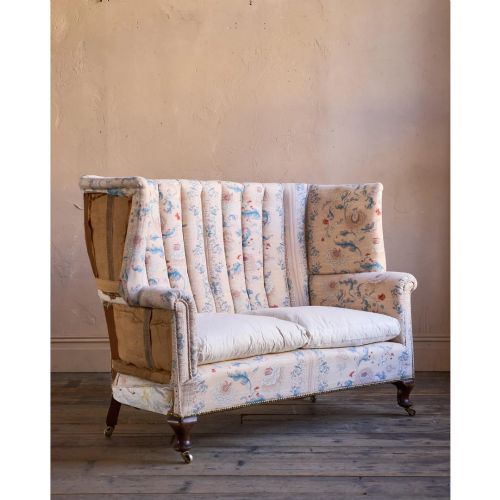
An antique high back couch offers commanding vertical presence and deep seating, drawing the eye instantly to any room.
Antique High Back Couch
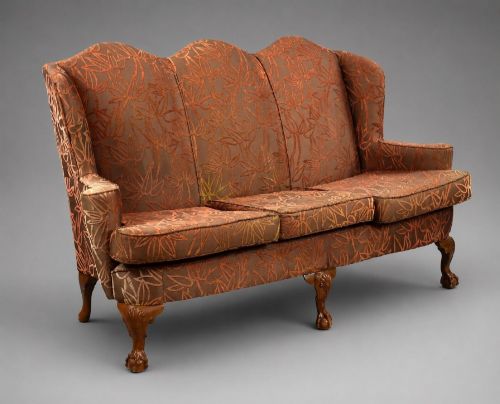
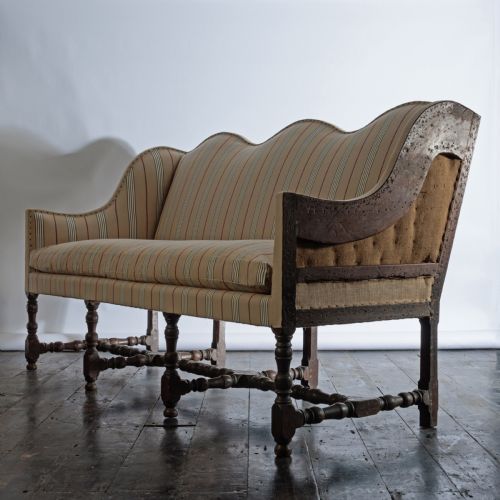
An antique high back couch provides substantial verticality and support, appearing across various forms including winged designs, drop-arm settees, and large three-seat configurations. Buyers searching for an antique high back couch will encounter pieces spanning from the seventeenth century through to the Edwardian era and the nineteen-thirties.
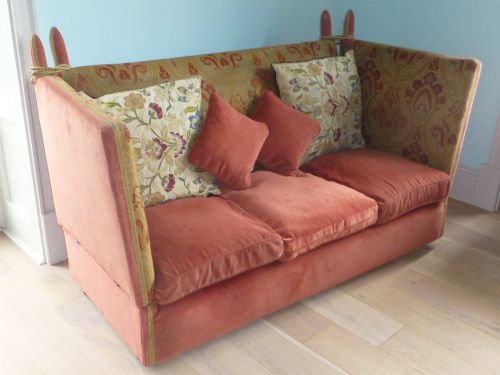
The selection on this page centres heavily upon nineteenth-century pieces alongside Edwardian and Victorian examples, featuring notable variations like the Knole sofa and George II styles. These seating options combine deep upholstered comfort with striking architectural timber or giltwood frames.
Originating predominantly from English country house traditions and formal drawing rooms, these settees function equally well as central statement pieces or intimate fireside seating. The forms range from petite two-seater frames to expansive three-seat arrangements upholstered in velvet, leather, damask, or ticking fabric.
What varies in quality
The refinement of the carved woodwork and the choice of primary timber separate standard production from superior pieces, particularly where distinct styles like Queen Anne or William and Mary are imitated with precision. Giltwood highlights and substantial walnut frames elevate the visual weight of a piece.
The integrity of the original upholstery materials, from hand-dyed leather to heavy damask and buttoned detailing, defines the decorative success of the couch. Proportion and the balance between the towering backrest and the supporting legs determine the overall aesthetic harmony.
Listings feature woods like walnut and mahogany alongside textiles including velvet, leather, and ticking fabric across the nineteenth century.
Howard And Sons
The Antique High Back Couch Glossary
- Knole sofa
- A historic settee style featuring hinged or drop arms that can be adjusted upright or lowered, traditionally associated with Knole House.
- Wingback
- A seating design featuring protective side panels attached to the high backrest, originally intended to shield the sitter from drafts.
- Showwood
- Exposed polished timber framing visible around the upholstered sections of a chair or sofa, displaying the grain and carving.
- Damask
- A reversible figured fabric traditionally woven on a jacquard loom, frequently utilised for formal historic upholstery.
- Castor
- A small wheel mounted on a swivel attached to the foot of a piece of furniture to ease movement across floors.
Antique High Back Couch: Frequently Asked Questions
How do I identify a Knole sofa?
Look for distinctive hinged or drop arms tied in place with decorative braids or cords, paired with a tall, straight backrest.
This specific form allows the arms to remain upright or fold down flat, setting it apart from standard Victorian and Edwardian settees.
Where were high back couches placed historically?
These seating pieces typically occupied drafty halls and formal withdrawing rooms where tall backs provided both comfort and thermal protection.
In country houses, they anchored large reception spaces or sat near fireplaces to trap warmth.
What is the difference between a settee and a sofa?
Historically, settees often featured more rigid wooden structures or lighter upholstered frames, whereas sofas offered deeper, fully stuffed cushioning.
Over time these terms blended, but antique terminology often reserves settee for more formal, architectural twin-back or double-chair forms.
How do I care for leather on an antique couch?
Hand-dyed leather requires gentle dusting and occasional conditioning to maintain suppleness without altering the historic patina.
Keep such pieces away from direct sunlight and heat sources to prevent the hide from drying and cracking.