


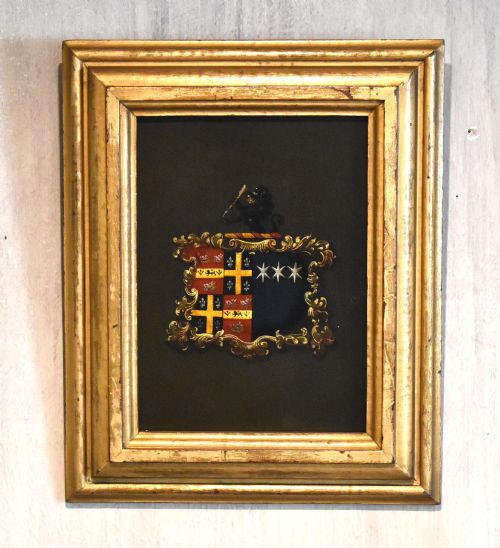
Antique Heraldic Painting
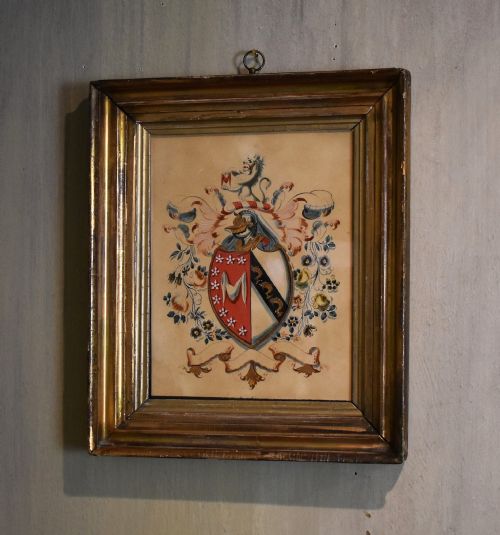
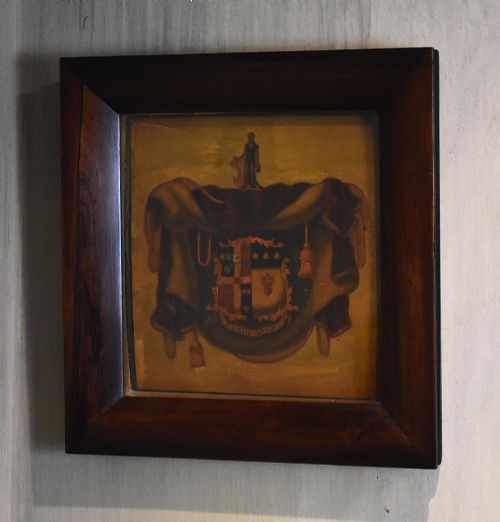
These pieces of antique heraldic painting record family lineages and civic identities through hand-applied pigments on wood, canvas, porcelain, leather and metal.
Antique Heraldic Painting
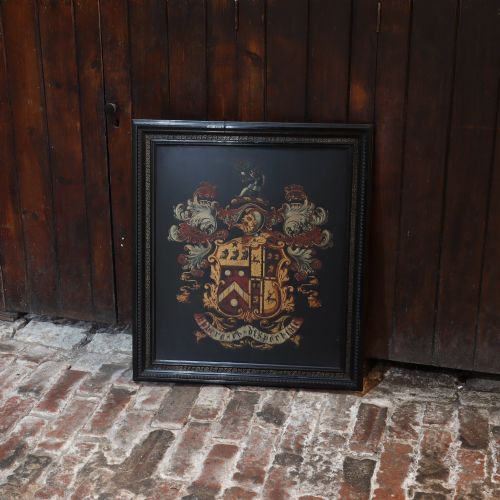
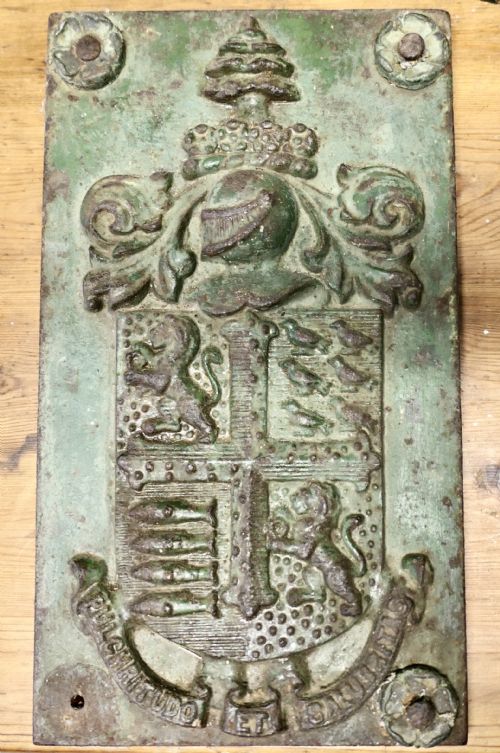
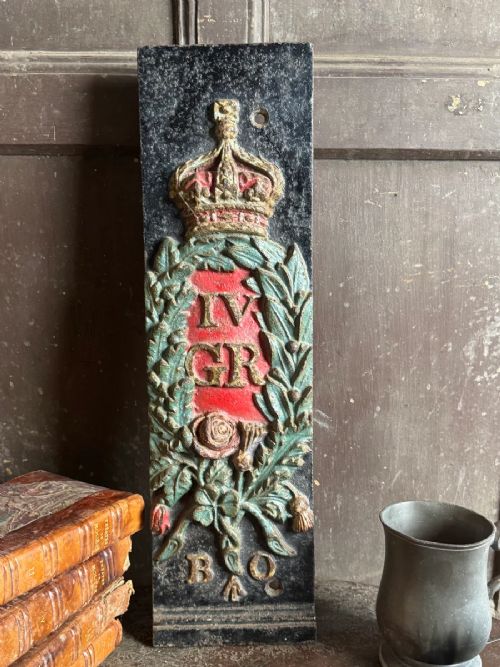
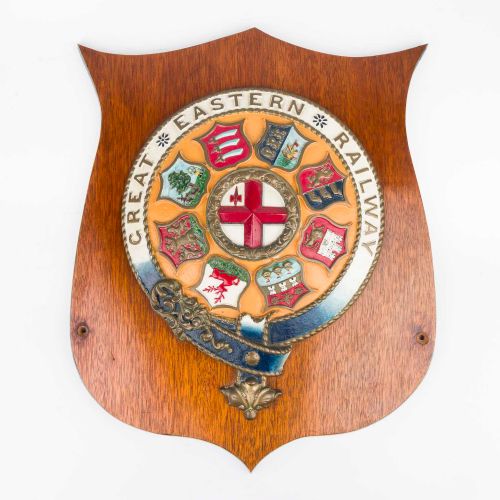
An antique heraldic painting encompasses coat of arms panels, coach doors, and crests produced across the Georgian, Victorian, and early twentieth-century periods. These artefacts display armorial bearings belonging to specific families, railway companies, or civic institutions.
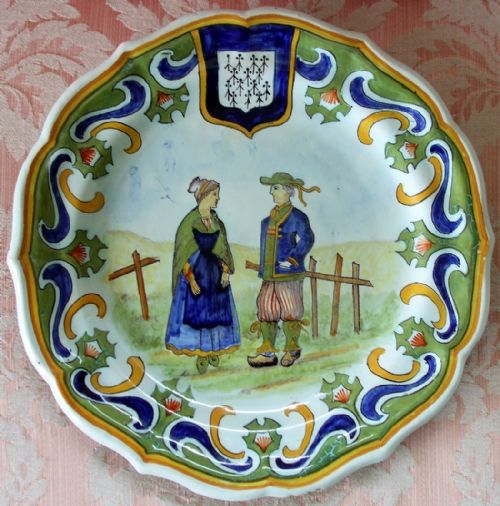
Buyers encounter items ranging from large wooden panels and painted leather fire buckets to delicate porcelain plates and watercolour works on paper. The majority date from the nineteenth century, though earlier Georgian examples and pieces from around nineteen-hundred appear frequently.
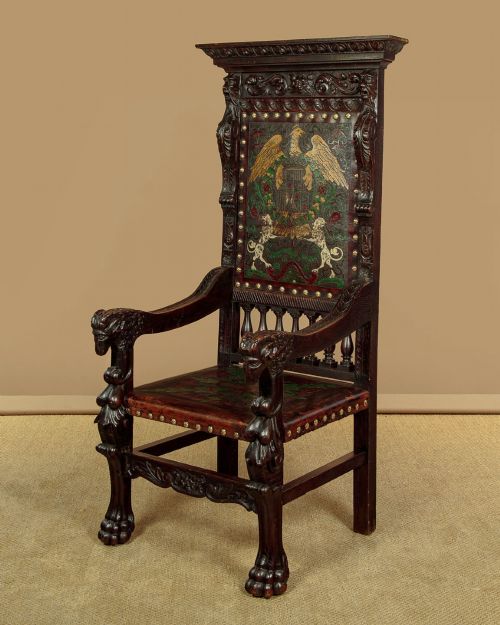
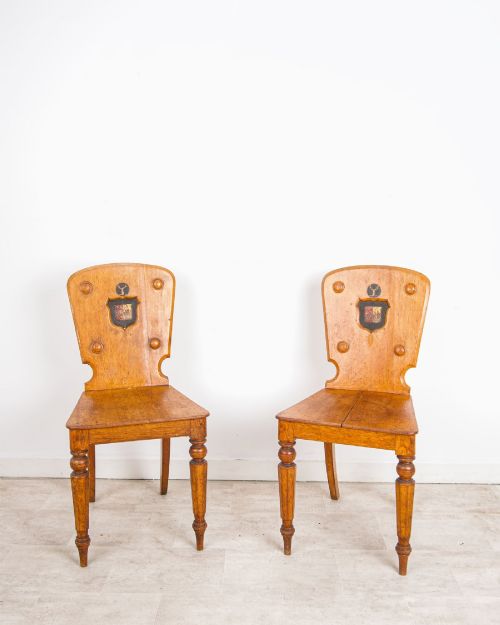
Wall plaques and hall chairs with painted or carved shields also form part of this tradition, linking decorative arts with genealogy and heraldry.
Materials and construction methods
Makers utilised oil paint, enamel, and watercolour applied to diverse substrates such as oak, mahogany, porcelain, glass, iron, and soft leather. Gold leaf frequently highlights the intricate details of mantling, crowns, and crests.
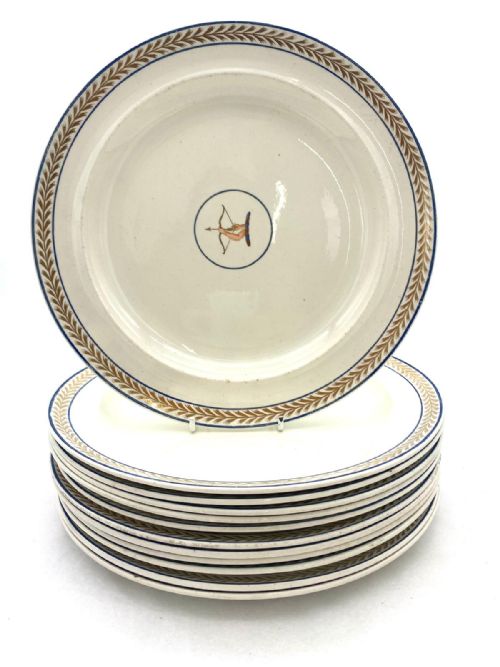
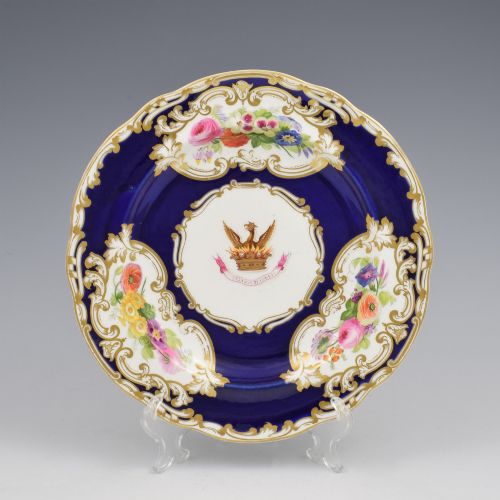
Ceramic pieces from factories like Wedgwood, Minton, and Chamberlain Worcester incorporate hand-painted armorial enamels fired onto porcelain and creamware bodies.
Wooden items, including hall chairs and coaching panels, combine traditional joinery or carriage-building techniques with meticulous hand-lettering and pigment application.
Listings feature items spanning the seventeenth through the early twentieth centuries, incorporating oak, brass, porcelain, and leather.
Assessing quality in armorial works
The precision and detail of the brushwork separate standard decorative items from superior heraldic commissions. Finer works display exact adherence to the rules of heraldry, including correct tinctures, metals, and fur representations.
The provenance and legibility of the associated family or institution add distinction, particularly when specific noble houses or historic regiments are identified.
The condition of the original surface, whether oil on panel, enamel on glass, or paint on leather, dictates the integrity of the piece.
Wedgwood·Copeland·Chamberlain Worcester·Barr Flight And Barr·Minton·Lobmeyer
The Antique Heraldic Painting Glossary
- Coat of arms
- A unique design painted on a shield or panel, identifying a specific family, corporation, or monarch. These symbols developed in medieval times for battlefield identification before becoming hereditary markers.
- Creamware
- A type of fine earthenware perfected in the eighteenth century with a pale yellowish glaze. It provided a smooth surface for armorial painting on dinner services.
- Enamel
- Vitreous material fused to metal, glass, or ceramic surfaces through high-temperature firing. It produces glossy, durable colours resistant to fading.
- Coach panel
- A section of a horse-drawn carriage painted with a family crest or armorial bearings. These were often removed and framed as wall art when carriages went out of use.
- Mantling
- The ornamental foliage depicted flowing from the helmet above the shield in a coat of arms. It originates from the cloth attached to medieval helms to protect against the sun.
Antique Heraldic Painting: Frequently Asked Questions
What is an armorial plate?
An armorial plate is a piece of porcelain or earthenware decorated with a family's coat of arms, commissioned by wealthy households for dining or display.
These plates often form part of larger dinner services bearing specific genealogical insignia.
How were coach panels used?
Coach panels were sections of wood removed from horse-drawn carriages that displayed the owner's crest for status while travelling.
Many survived because they were cut out and preserved as paintings when the vehicles were dismantled.
What is a leather fire bucket?
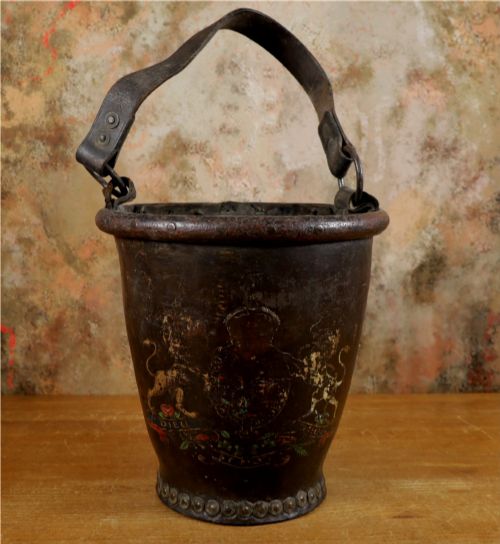
A leather fire bucket is a sturdy container formed from stitched leather, often displaying a painted coat of arms or civic crest.
Historically kept in grand houses to combat domestic fires, their decorative surfaces now serve as decorative antiques.
How do I date a painted crest?
Dating relies on the substrate material, the style of the framing or furniture, and the chemical composition of the paints used.
Georgian and Victorian examples exhibit distinct stylistic changes in typography, border decoration, and heraldic convention.