




Antique Heavy Iron Chest
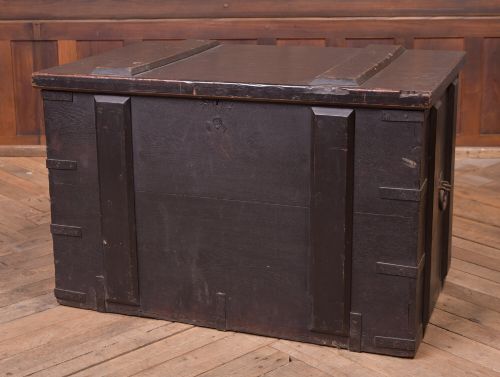
An antique heavy iron chest delivers robust security and enduring utility, built from dense timber and reinforced with durable metal bands.
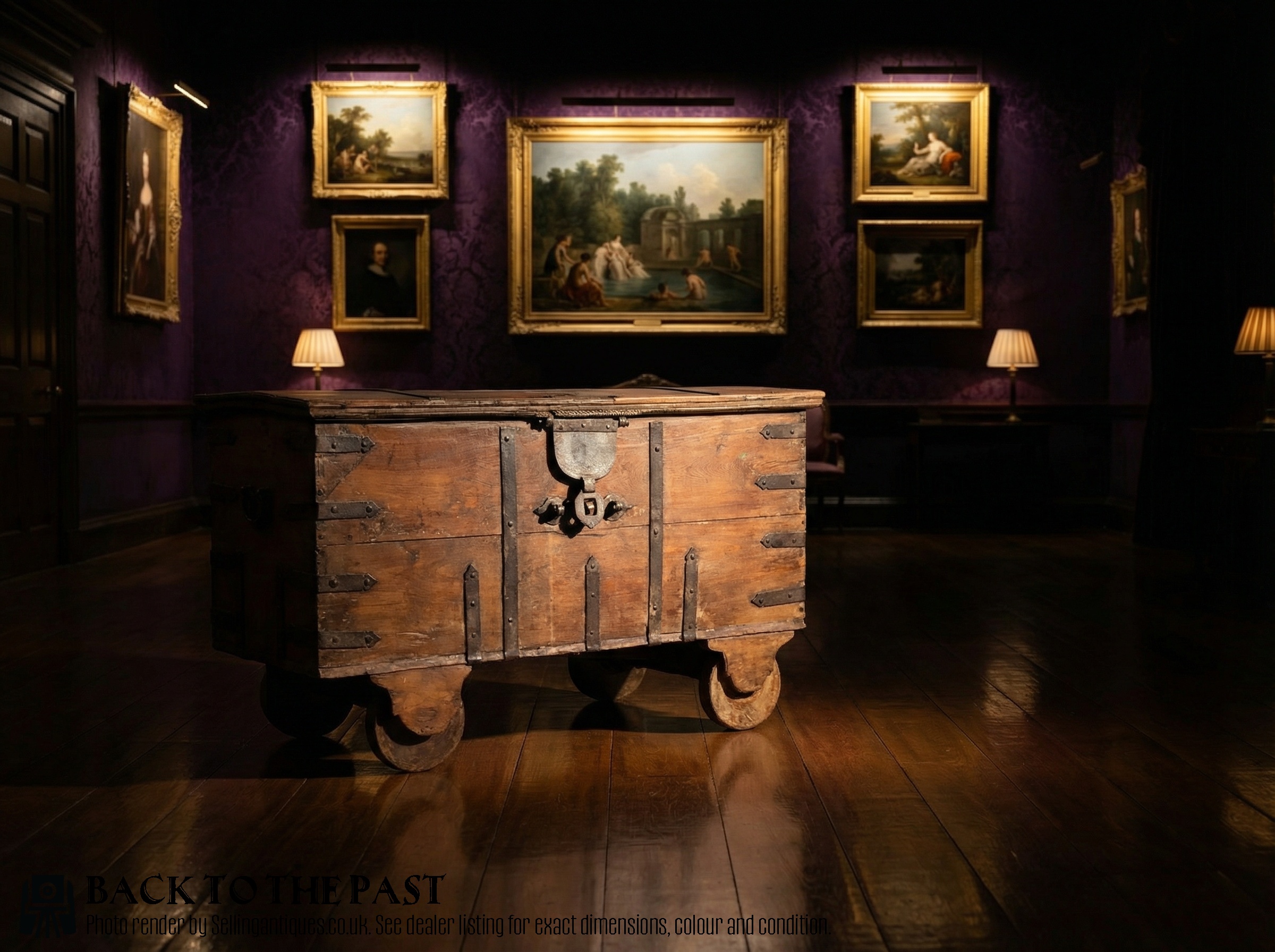
Antique Heavy Iron Chest
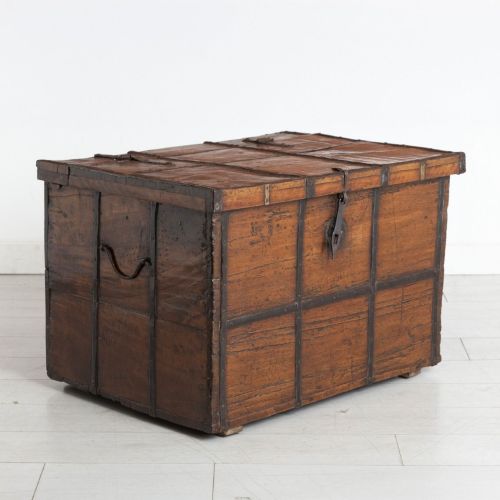
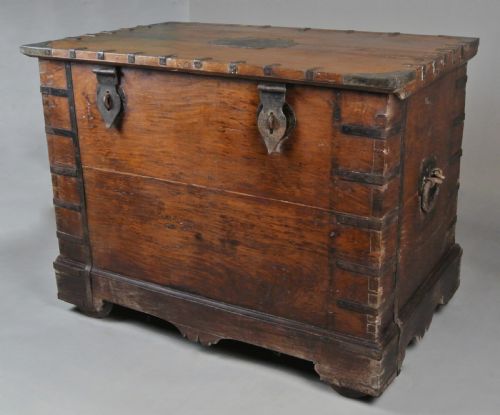
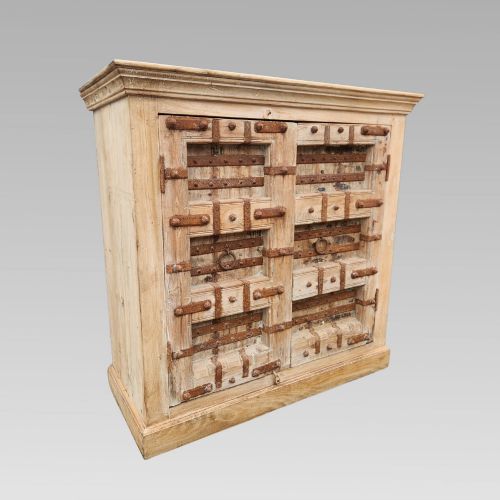
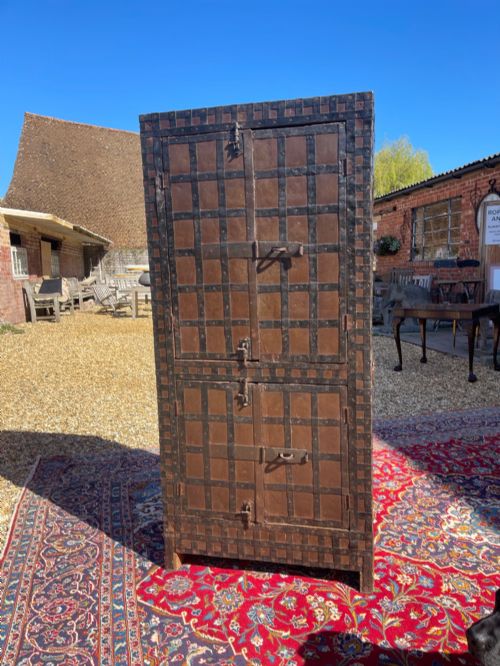
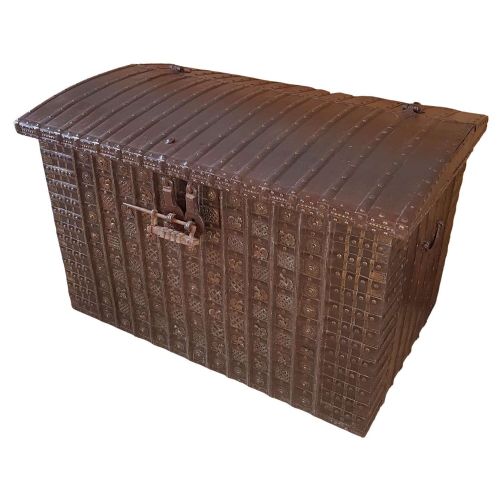
An antique heavy iron chest encompasses functional domestic strongboxes, military campaign receptacles, and substantial storage trunks reinforced with metal strapwork. Buyers searching this phrase encounter examples ranging from sixteenth-century iron-banded coffers to Victorian oak silver chests and nineteenth-century Indian dowry trunks.
Early European examples include Nuremberg caskets and Armada chests constructed entirely from forged iron plates with intricate internal locking mechanisms. These utilitarian forms reflect centuries of secure storage traditions across different continents and periods.
Construction and materials
Makers constructed these receptacles using dense hardwoods such as oak, teak, mahogany, and pine, chosen for their structural strength and resistance to heavy handling. Carpenters joined the timber bodies using dovetail joints or heavy corner bracing to withstand the stress of constant transport.
Blacksmiths and metalworkers reinforced the wooden carcasses with hand-wrought iron straps, bands, and hasps, securing them with iron or brass rivets. Heavy cast iron and steel provided the mechanism for complex locking systems, while drop handles carved or forged from iron facilitated lifting.
Some nineteenth-century French cannonball boxes now quietly retire as heavy blanket stores in suburban living rooms.
Distinctions in quality
The caliber of an antique heavy iron chest rests upon the integrity of its original locking mechanism and the precision of its metalwork. Original operational keys, complex multi-bolt interior locks, and fully intact hand-forged strapwork elevate an example far above pieces with replaced hardware.
The choice and thickness of the primary timber also determine standard, with dense quarter-sawn oak and unblemished colonial teak commanding greater regard than secondary pine. Fine interior craftsmanship, such as fitted baize linings, compartmentalised trays, and original brass maker plaques, indicates superior workshop origin.
Allen of London·Elkington·Milners of Liverpool
The Antique Heavy Iron Chest Glossary
- Silver chest
- A heavy wooden storage box reinforced with iron or steel bands, originally built to protect domestic silverware from theft and damage during transport.
- Campaign chest
- A portable trunk or storage case designed for military officers on the move, frequently split into modular sections with recessed brass or iron hardware.
- Armada chest
- A type of heavy iron-plated strongbox produced in Germany during the sixteenth and seventeenth centuries, featuring complex lid-locking mechanisms operated by a single key.
- Dowry chest
- A large storage trunk created to hold household goods and textiles for a marriage, often heavily decorated with carved wood and iron bands.
Antique Heavy Iron Chest: Frequently Asked Questions
What were antique heavy iron chests used for?
These receptacles served primarily to secure and transport valuable items such as silver plate, currency, important documents, and personal belongings during travel. Households and institutions relied upon their sturdy timber walls and iron reinforcement to prevent theft and protect contents from moisture or impact.
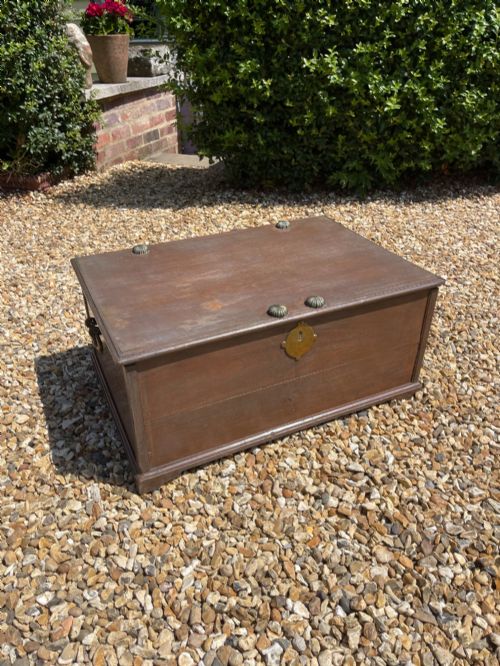
Over time, many functioned as stationary strongboxes in offices, country houses, and merchant ships. Today, collectors utilise them as durable coffee tables or prominent storage furniture in domestic interiors.
How do you date an iron bound chest?
Dating relies on observing the combination of timber species, construction techniques, and the style of the ironwork. Early pieces from the sixteenth and seventeenth centuries feature hand-forged plate iron and complex internal lid mechanisms, whereas nineteenth-century examples often use machine-rolled iron bands and mass-produced cast locks.
Secondary materials also provide chronological clues, such as nineteenth-century brass campaign hardware or specific Victorian oak framing methods. Examining any maker stamps or patent plaques inside the lid offers a precise period reference.
Are these chests waterproof?
While these trunks were built to endure difficult sea voyages and overland transport in harsh weather, they are not hermetically sealed. The tight-fitting timber lids and overlapping iron straps offered substantial protection against heavy rain and dust during nineteenth-century transit.
However, centuries of wood shrinkage mean gaps can develop around the joins. Modern owners should keep them in climate-controlled environments rather than damp spaces.
How do you clean an iron chest?
Maintenance involves preserving the natural patina of both the timber and the metal without stripping historical evidence. Dusting regularly with a dry cloth keeps the wood clean, while occasional application of neutral wax feeds antique hardwood.
Metal surfaces benefit from a light application of microcrystalline wax to inhibit oxidation on exposed iron straps and handles. Harsh chemical cleaners or abrasive scouring pads should be strictly avoided on all surfaces.