


Antique Hearth Seating
Antique hearth seating brings together sturdy club fenders, low country stools and fireside armchairs designed to sit directly before an open fire.
Antique Hearth Seating
Antique hearth seating encompasses low stools, armchairs and club fenders designed to sit directly by the fireplace. The most common forms met here are brass and leather club fenders alongside timber country stools originating from the nineteenth and early twentieth centuries.
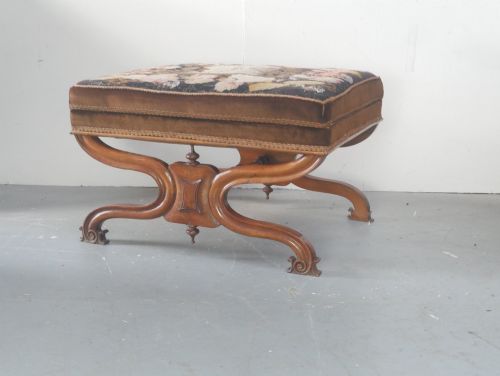
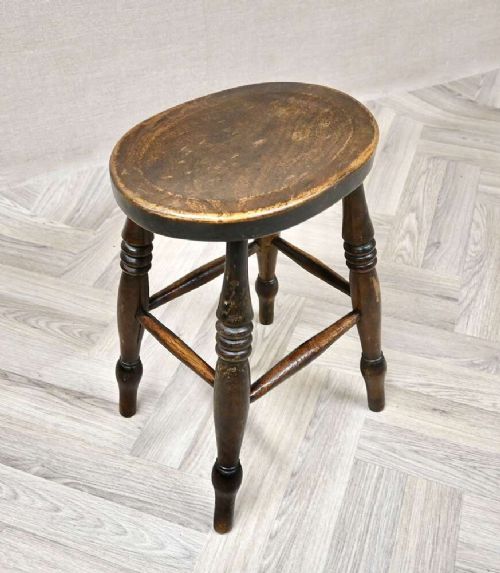
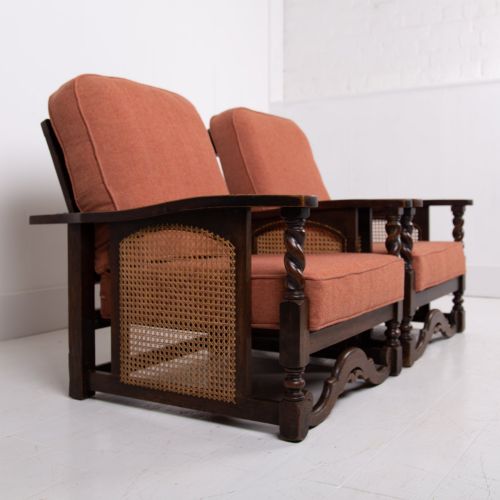
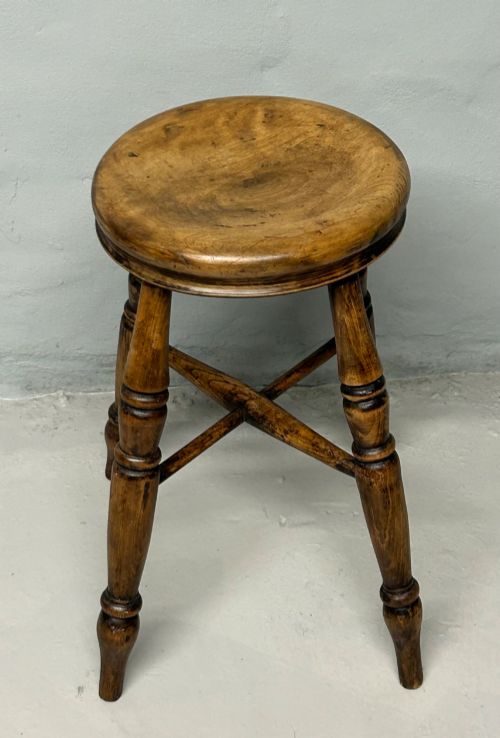
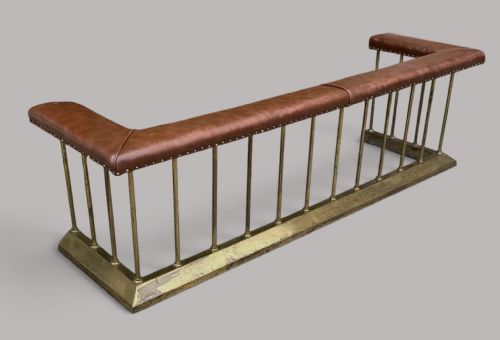
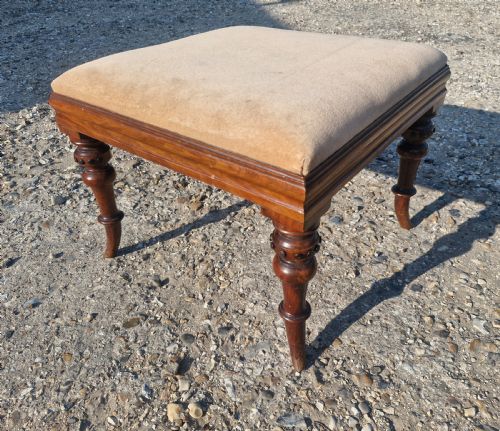
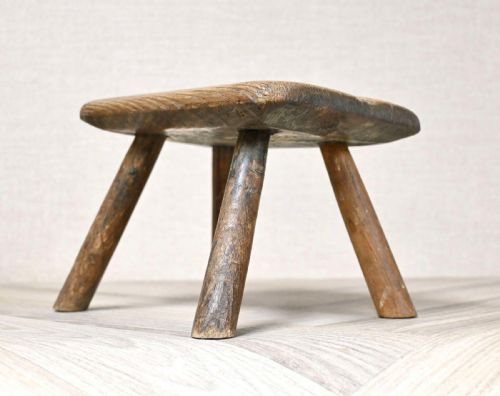
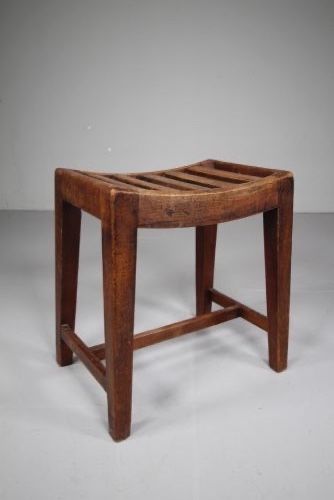
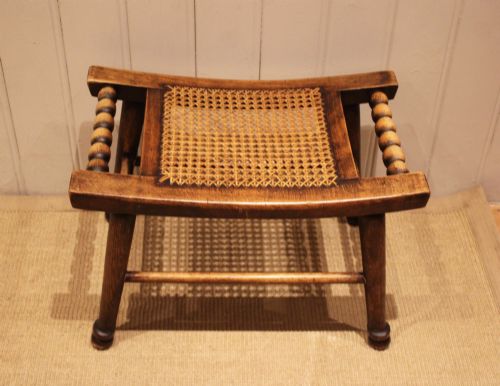
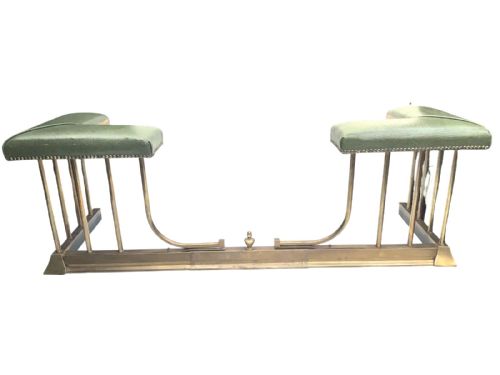
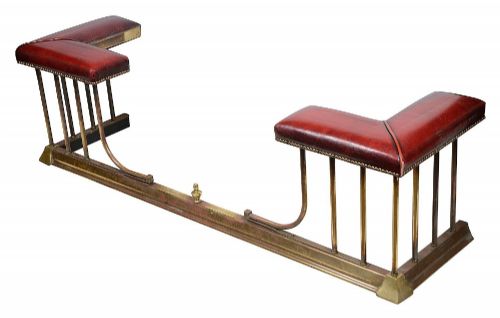
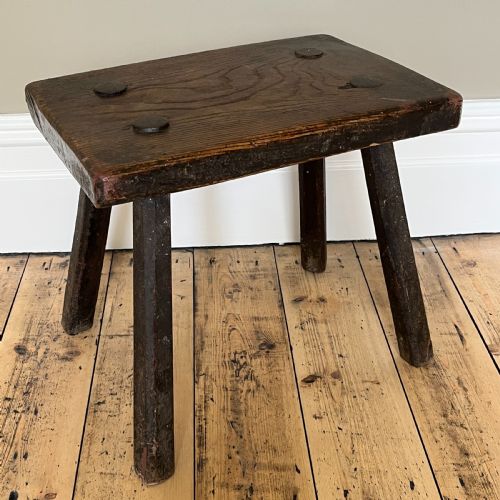
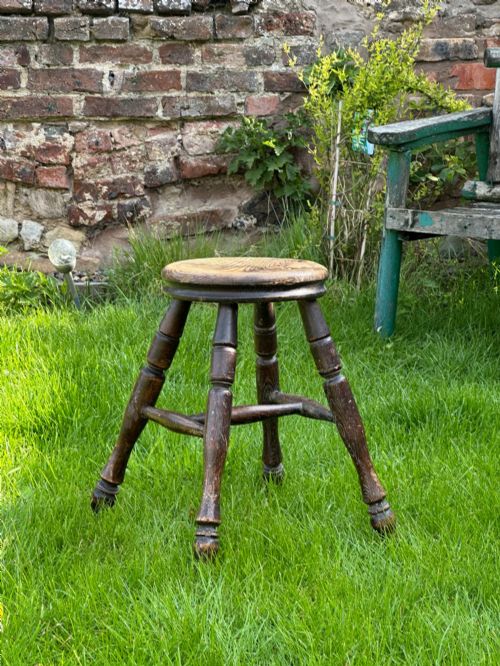
Stools take various forms, from simple tavern stools in beech and elm to larger carved oak or mahogany pieces with needlepoint, cane or rush seats. Club fenders provide raised corner seats built over a metal frame, frequently upholstered in tan or green leather.
Pieces span several periods, with Victorian and Edwardian examples forming the bulk of the selection alongside earlier Georgian styles and later Art Deco designs. Regional variations include Scottish baronial pieces and English country house furnishings.
Materials and construction
Makers utilised resilient hardwoods such as oak, elm, mahogany and beech for frames and structural supports. Timber components often feature turned legs, carved detailing or simple rustic joinery suited to daily use by the hearth.
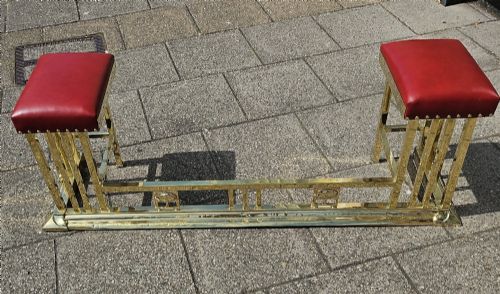
Metalwork defines the club fender variants, combining polished or cast brass and steel with upholstered leather seating pads. Leather upholstery typically appears in mature tan or green shades, finished with buttoning or traditional studwork.
Periods represented span the eighteenth century through the Victorian, Edwardian and Art Deco eras up to the 1940s.
Distinguishing quality
Quality rests in the heaviness of the metal framework and the integrity of the underlying timber. Substantial cast brass or steel club fenders demonstrate superior weight and robust construction compared to lighter alternatives.
Finishing details dictate the standing of a piece, from the richness of the polished brass and the depth of the leather hide to hand-carved woodwork and original needlepoint or rush seating.
The Antique Hearth Seating Glossary
- Club fender
- A metal fireplace surround featuring low upholstered seats on either side. It allows people to sit close to the fire while protecting them from embers.
- Rush seat
- A seating surface woven from dried marsh rushes. This technique appears primarily on traditional country stools.
- Needlepoint
- A type of canvas work embroidery used for upholstery. It provides a decorative, textured surface on period stool tops.
- Windsor
- A style of wooden chair or stool featuring turned legs inserted into a solid seat. This vernacular design is common in country furniture.
Antique Hearth Seating: Frequently Asked Questions
What is a club fender?
A club fender is a low metal frame enclosing an open fireplace with integrated padded seats on either side. It allows sitters to rest close to the hearth while acting as a physical barrier against heat and ash.
Originally popular in gentlemen's clubs and large country houses, these brass or steel structures often feature leather upholstery matching the seating pads.
How do I choose the right size?
Selecting the correct piece depends entirely on the dimensions of your fireplace surround and the available hearth space. Measure the width and depth of your hearth before considering any furniture.
Club fenders must fit around the fireplace base precisely, while stools need a proportion that matches the hearth opening without obstructing movement.
Can these pieces be used daily?
Most antique hearth seating was built for practical domestic use and remains sturdy enough for regular sitting. Solid timber frames and robust metal club fenders handle everyday service well.
Care should be taken with delicate upholstery, such as antique needlepoint or older leather, to preserve the materials against excessive wear.
How are different periods identified?
Periods are told apart through material choices, construction methods and prevailing decorative styles. Victorian and Edwardian examples often combine polished brass with buttoned leather, whereas earlier pieces rely on exposed timber and hand-turned joinery.
Art Deco items introduce heavier ironwork with geometric lines, while country furniture retains simpler vernacular forms.