


Antique Hearth Seat
An antique hearth seat grounds a room with practical warmth, offering low seating or sturdy brass-framed perches built to encircle the fireplace.
Antique Hearth Seat
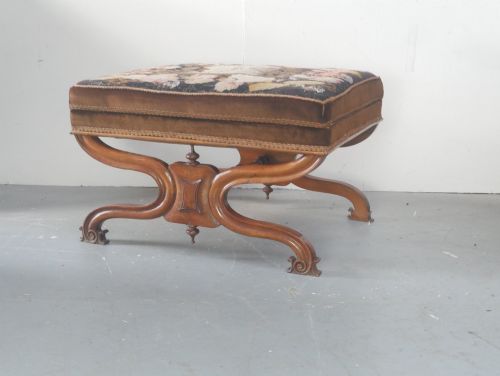
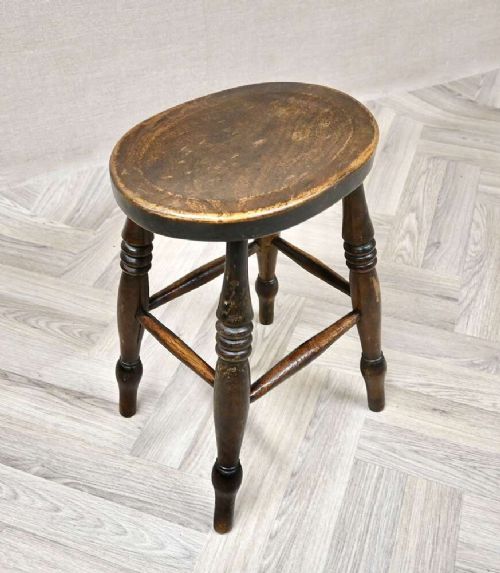
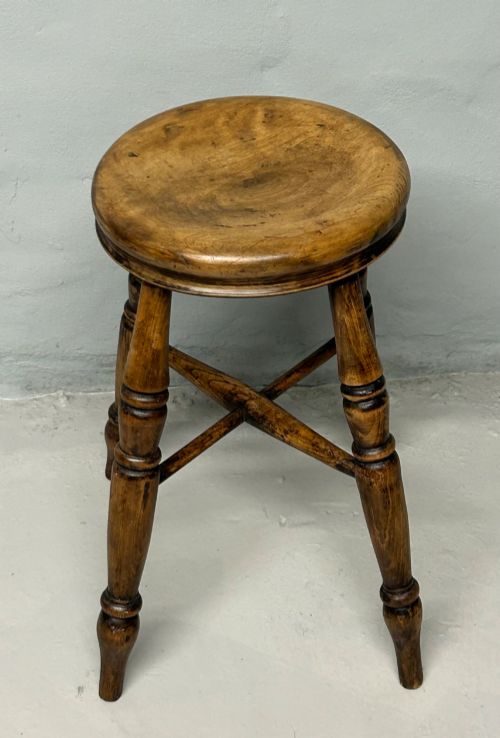
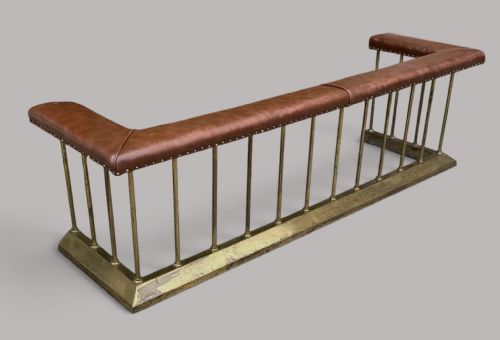
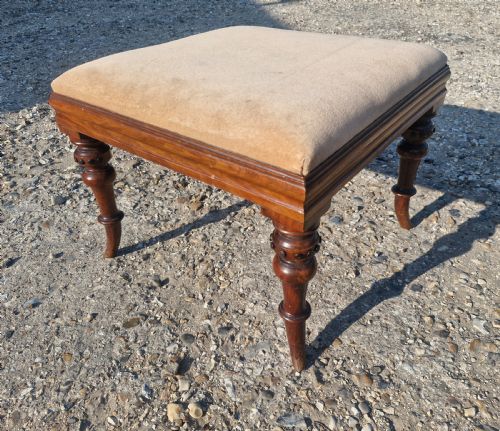
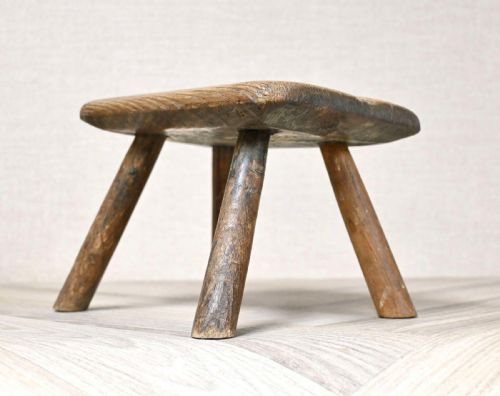
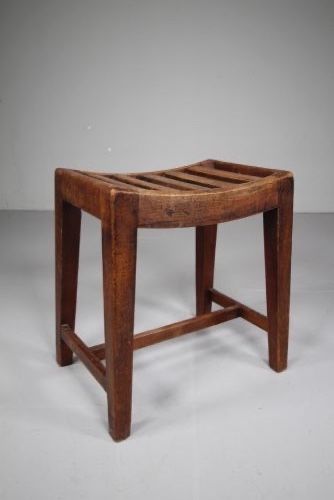
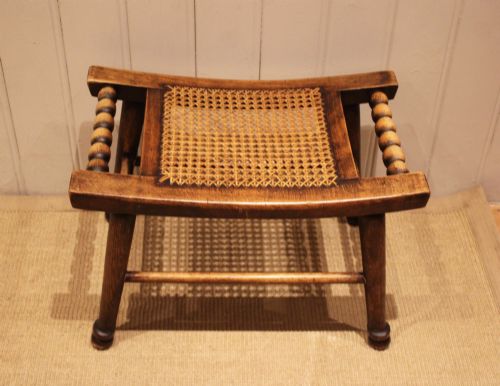
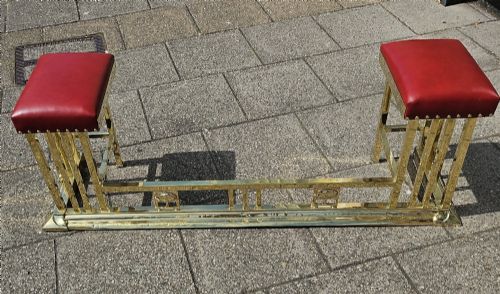
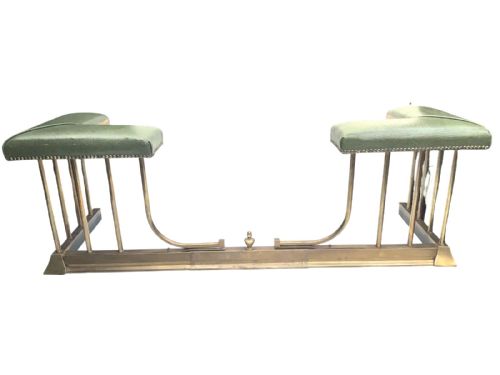
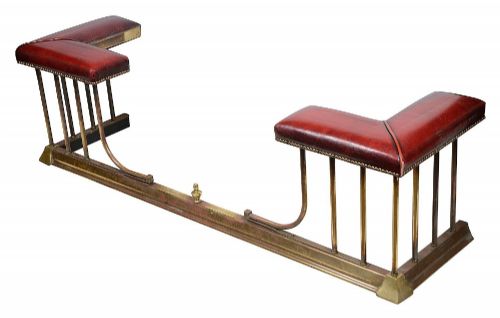
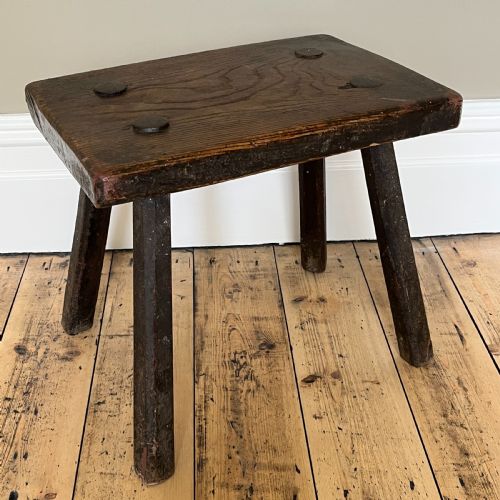
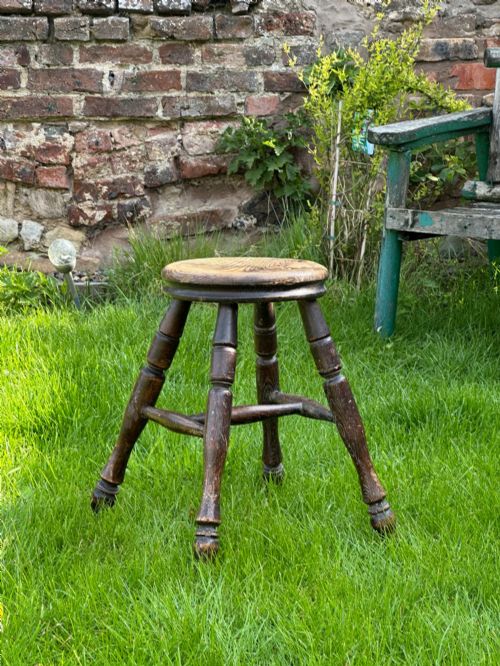
When you search for an antique hearth seat, you encounter a range of low stools, country footstools, and club fenders designed specifically for the fireside. The most common form on this page is the brass club fender, frequently upholstered in tan or green leather, alongside timber country stools in oak, elm, and beech.
These pieces bridge decorative arts and daily utility, serving variously as padded benches, low footrests, or rigid iron and steel frames that span the hearth. Materials range from polished brass and cast steel to solid mahogany and rush, reflecting the diverse domestic needs of the nineteenth and early twentieth centuries.
How they were made
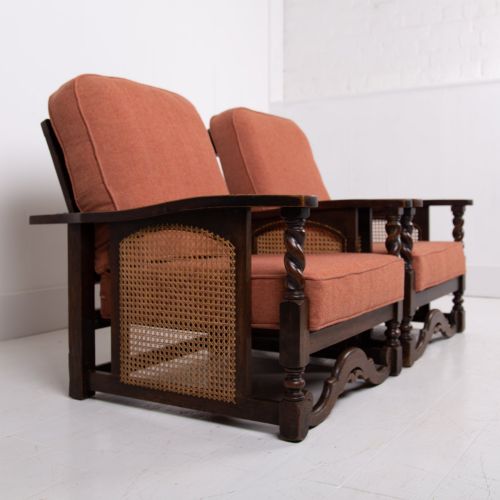
Makers constructed these hearth seats using robust structural timbers like oak, elm, and mahogany for frames and stools, often employing turned supports and cane or needlepoint inserts. Country pieces rely on traditional joinery such as pegged mortise and tenon joints.
Metalworking defines the club fender variants, utilising cast brass, steel, and iron frameworks combined with buttoned leather upholstery for cushioned top rails. These materials endured high heat and heavy daily use near open fires.
Antique Hearth Seat Retail Price Guide 2026
Typical asking prices for hearth seat among the pieces listed under this phrase on Sellingantiques today, from the lower quarter to the upper quarter. They describe what is for sale here now, not the wider market.
Several Victorian seating entries specifically record ceramic spaniels keeping watch by the hearth.
What varies in quality
Quality rests on the integrity of the metal casting and the weight of the brass or steel used in club fenders, alongside the selection of dense hardwoods for timber frames. Substantial gauge metal and tight, enduring joinery separate utilitarian items from finer examples.
The refinement of upholstery work and decorative detailing, such as turned spindles or carved wooden accents, dictates the standing of an individual piece within its period style.
The Antique Hearth Seat Glossary
- Club fender
- A low, padded metal frame that sits around a fireplace opening, providing integrated bench seating. These frames typically combine brass or steel with leather cushions.
- Hearth stool
- A low wooden or upholstered bench designed to sit directly before a fireplace. They appear in styles ranging from plain country elm to formal mahogany.
- Windsor stool
- A traditional wooden seat featuring turned legs wedged directly into a thick wooden slab or saddle. Beech and elm are common timbers for these vernacular forms.
- Needlepoint
- A form of counted thread embroidery used historically to upholster seat tops. This stitched canvas work frequently appears on eighteenth and nineteenth-century stools.
Antique Hearth Seat: Frequently Asked Questions
What is a club fender?
A club fender is a low, U-shaped seat that wraps around an open fireplace, keeping sitters close to the warmth while protecting them from embers.
They emerged in British country houses as a social seating arrangement near the hearth.
How do I date a hearth seat?
Dating relies on identifying material combinations, metal casting techniques, and prevailing stylistic revivals within the piece.
Victorian and Edwardian examples often feature heavy brass framework and leather upholstery, whereas earlier country stools display simpler turned wooden construction.
Were these seats used daily?
Yes, these forms were built for utilitarian household use in domestic living spaces and libraries.
Their robust timber frames and durable leather or rush seats accommodated regular daily traffic around the fire.
How do I clean leather on a fender?
Leather upholstery on hearth seats requires gentle maintenance using traditional saddle soaps or specialist leather balms.
This preserves the natural suppleness of the hide without altering its mature patina.