
Antique Hearth Fender Surround
An antique hearth fender surround frames the fireplace cleanly, anchoring the room with period metalwork and practical fireside seating.
Antique Hearth Fender Surround
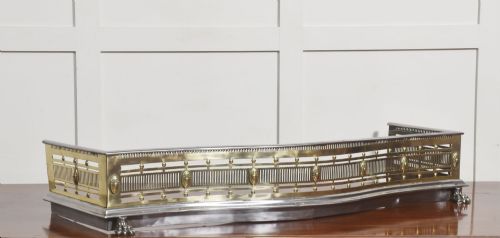
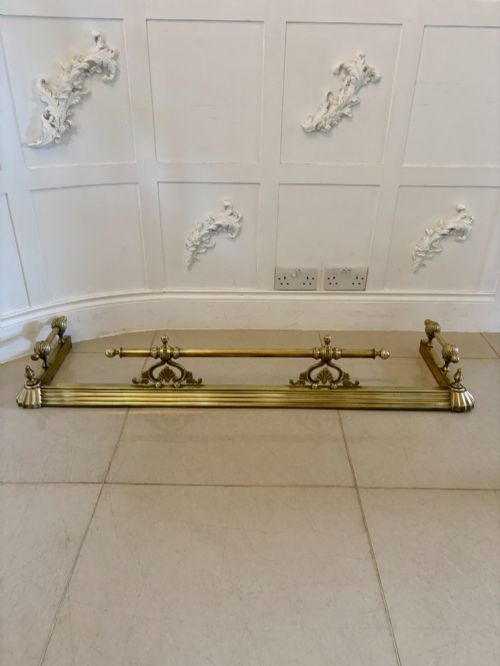
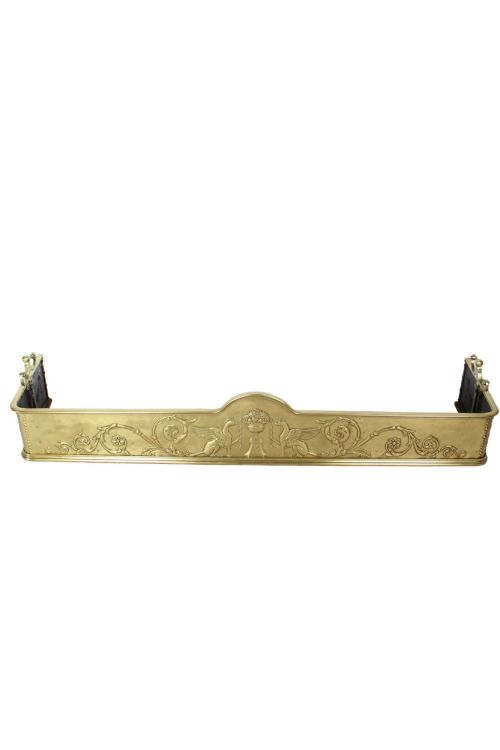
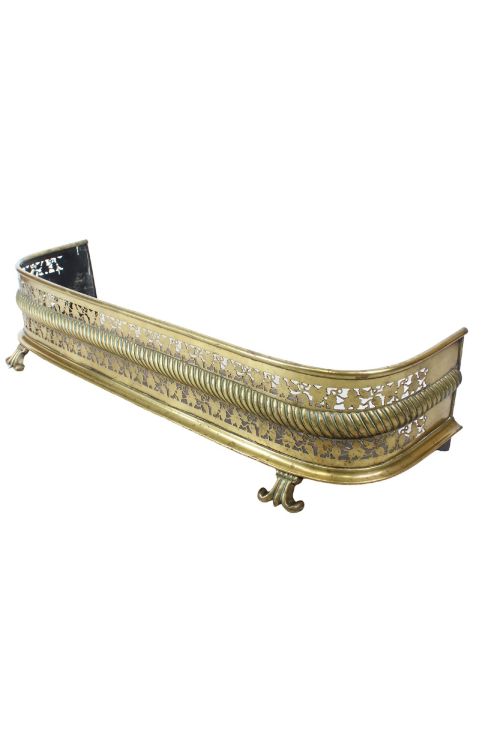
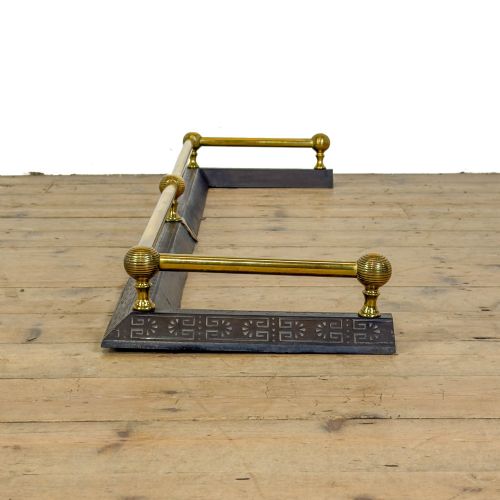
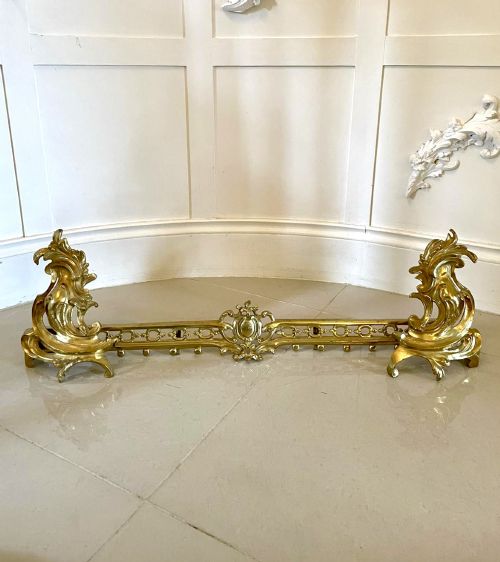
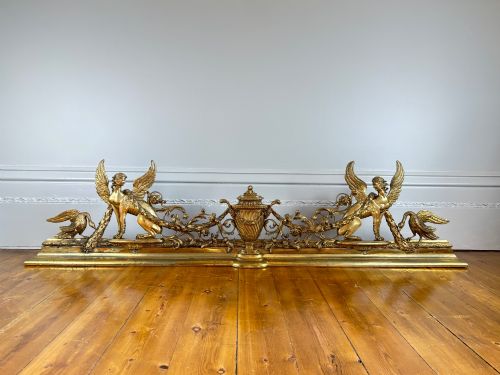
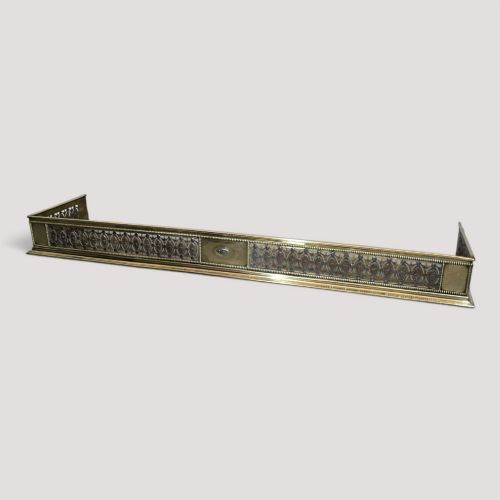
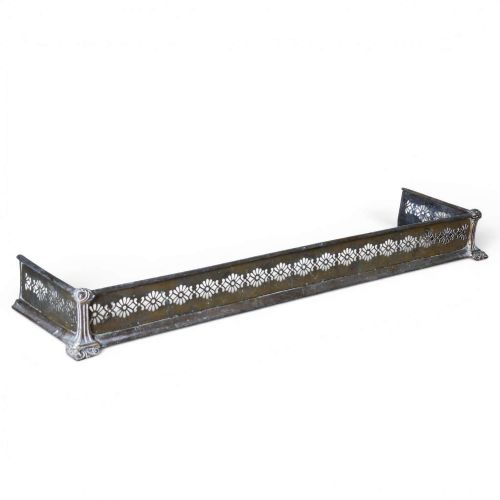
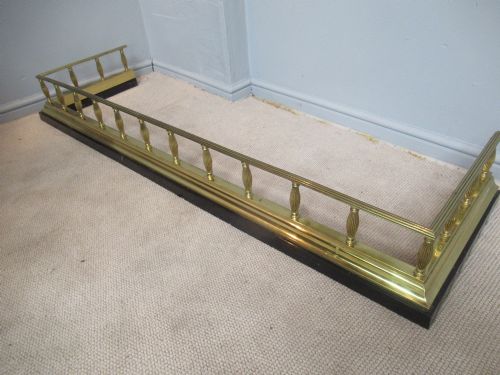
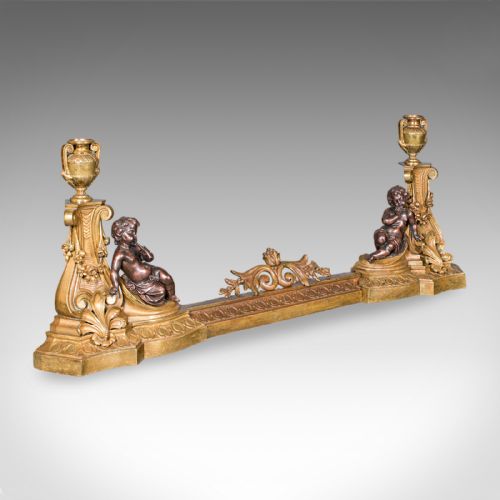
An antique hearth fender surround sits directly on the floor around an open fire, protecting the room from stray embers while defining the hearth space. When searching this phrase, buyers encounter a wide variety of forms spanning the Georgian, Victorian, and Edwardian eras.
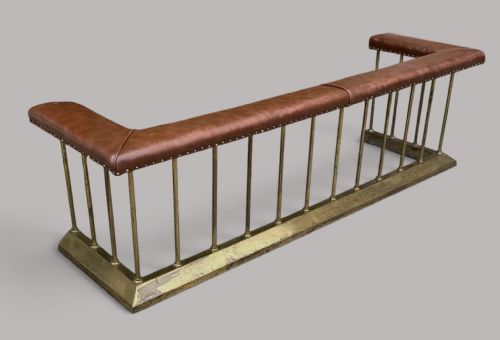
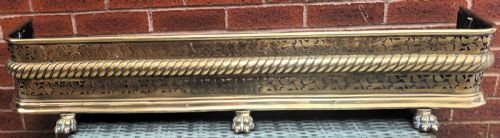
The selection ranges from low pierced brass kerbs to substantial club fenders featuring upholstered leather seats. Brass and steel predominate, appearing alongside copper, iron, and bronze in both simple linear shapes and ornate revival styles.
How they were made
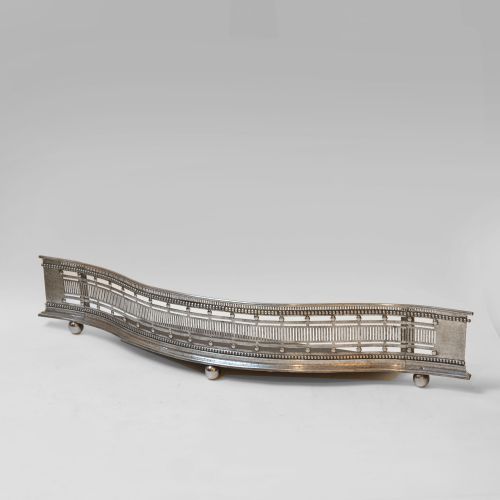
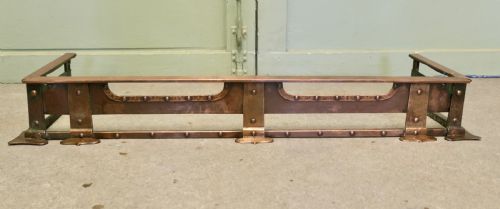
Maker's workshops combined heavy casting, piercing, and riveting techniques to shape brass, steel, and iron into rigid architectural surrounds. Pierced gallery work involved delicate cold-chiselling and hand-sawing through sheet brass, while structural corners relied on solid cast components.
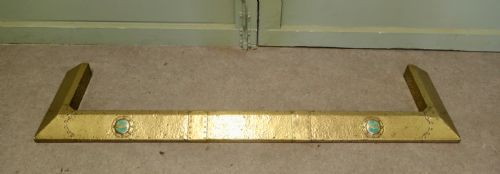
Club versions incorporated sturdy internal frames wrapped in mature tan leather for seating, often secured with close-nail brass tacking. Surface finishes included polished or patinated brass, cut steel detailing, and applied green enamel cabochons or flower patera.
Some club fenders were sturdy enough to double as spectator seating during heated Victorian parlour debates.
What varies in quality
Quality rests in the weight of the metal gauge and the crispness of the chased or pierced ornamentation. Heavy cast brass components and thick cut steel demonstrate substantial construction, whereas lighter pieces rely on thin pressed metal sheets.
Upholstered seating versions differ significantly in the joinery of the internal frame and the quality of the leather hide. Substantial corner balusters, precise riveting, and intricate engraving distinguish superior examples from standard production pieces.
E F Caldwell New York
The Antique Hearth Fender Surround Glossary
- Club fender
- A low fireside surround fitted with cushioned leather seats on opposing sides. These allowed occupants to sit close to the hearth in comfort.
- Pierced brass
- Sheet brass perforated with repeated geometric or floral patterns. This technique reduced the visual weight of the metal while allowing heat to radiate into the room.
- Cut steel
- Faceted steel studs riveted individually to a steel backing plate to catch the firelight. It requires meticulous hand-polishing of each facet.
- Fire kerb
- A low metal barrier placed tightly against the hearth edge to contain logs and coal. It represents the simpler architectural form without integrated seating.
Antique Hearth Fender Surround: Frequently Asked Questions
What is a club fender?
A club fender is a hearth surround built with integrated upholstered seats on either side. These padded tops provided a warm vantage point directly beside the active fire.
Originally popular in gentlemen's clubs and large country houses, they combine metal fire barriers with practical low-level seating.
How do I measure for a fender?
Measure the exact width and depth of your fireplace hearth to ensure the surround fits comfortably around the perimeter. Allow sufficient clearance between the inner edge of the metal and the fireplace opening.
Many period pieces feature adjustable frames, allowing slight modifications to match specific hearth dimensions.
How do I clean brass fenders?
Clean brass surfaces with a soft cloth and mild soapy water to remove accumulated soot and dust. Avoid harsh abrasive compounds that strip away historical patination.
Unlacquered period brass develops a deep natural tone over time, which many collectors prefer to keep undisturbed.
What is cut steel?
Cut steel involves individual steel studs riveted onto a plate, each faceted to sparkle like gemstones in the firelight. This technique was common in Georgian and Victorian hearth equipment.
Each facet catches the ambient light of the room, creating a subtle shimmering effect around the hearth.