
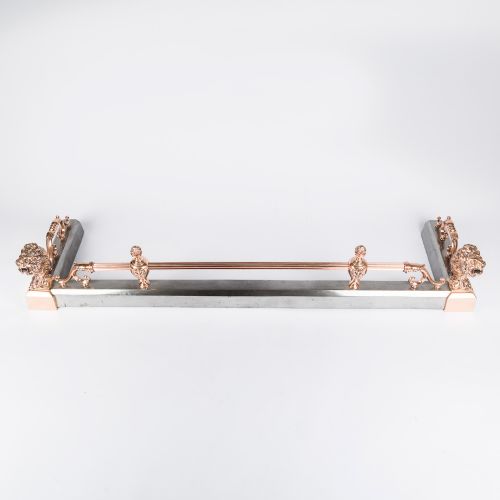


Brass and Steel Curb
These brass and steel curbs are hearth furniture designed to contain embers and frame the fireplace, combining polished metalwork with functional hearth protection.
Brass and Steel Curb
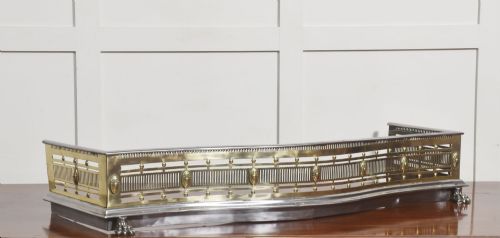
When you search for a brass and steel curb, you are looking at hearth furnishings designed to keep embers from rolling onto the floor. The pieces on this page are predominantly fireplace fenders originating from the Georgian, Victorian, and Edwardian periods.
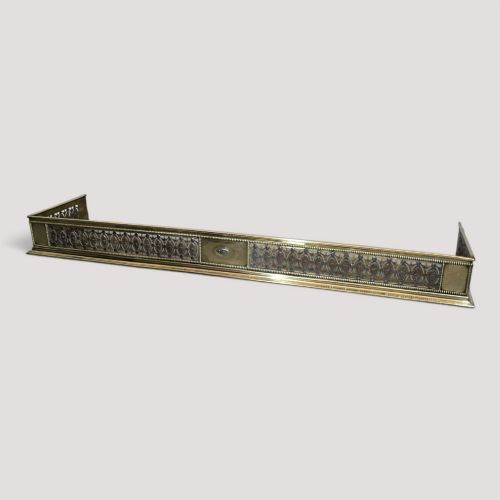
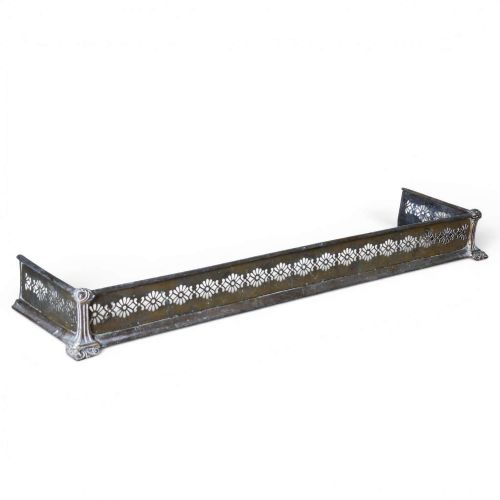
Most examples combine a robust steel body with bright brass detailing, often taking the form of low frames placed directly in front of the grate. Some variations include integrated elements like fire irons or decorative pierced patterns.
Originating primarily as functional domestic items, these hearth accessories range from simple geometric nineteenth-century designs to more ornate Regency and Art Nouveau interpretations.
How they were made
Makers utilised heavy steel for the structural body of the fender to withstand the heat and weight required at the hearth. This metal was frequently polished to a bright finish or given a blackened surface.
Brass elements were cast, chased, and applied to the steel frame, providing decorative contrast through finials, rails, and feet. Additional materials such as cut steel, copper, and bronze occasionally appear in the construction of mounts and decorative motifs.
Some nineteenth-century hearth guards come with friendly brass lions keeping watch by the fire.
What varies in quality
The distinction between standard and finer examples lies in the crispness of the metal casting and the precision of the assembly. Superior pieces display carefully fitted brass components secured to substantial polished steel bases rather than lighter, pressed sheet metal.
Artistry in decorative details, such as pierced steel patterns or cast brass lions, separates ordinary utilitarian hearth guards from more ambitious nineteenth-century examples designed to complement formal drawing-room fireplaces.
George Bullock
The Brass and Steel Curb Glossary
- Fender
- A low metal guard placed around the hearth to keep coals and ash from spilling onto the floor. These items form the majority of pieces found in this category.
- Cut steel
- Small facets of steel individually riveted to a backing plate to catch the firelight. This technique is often seen on decorative mounts.
- Pierced
- Metalwork perforated with decorative patterns or ventilation slots. This method lightens the appearance of heavy steel fireguards.
- Patina
- The surface sheen and colour developed by metals over decades of polishing and exposure to coal fires. It indicates age and proper maintenance.
Brass and Steel Curb: Frequently Asked Questions
What is a brass and steel curb used for?
These pieces act as a physical barrier at the base of an open fireplace to prevent burning fuel from rolling onto carpets or wooden flooring.
They also serve an aesthetic purpose by framing the hearth and providing a designated boundary for fire irons.
How do I clean polished steel?
Polished steel requires careful maintenance to prevent rust and preserve the bright metallic finish seen on nineteenth-century examples.
Light application of suitable metal cleaners or protective oils keeps the surface stable without removing the historic patina.
Are these fenders adjustable in size?
Period hearth curbs are fixed in dimension and constructed as solid assemblies of brass and steel.
Buyers must measure their fireplace opening precisely to ensure the rigid frame fits the hearth space correctly.
How do I identify a Victorian fender?
Victorian examples often feature robust construction combining blackened or polished steel with cast brass mounts and decorative piercing.
Stylistic cues range from heavy neoclassical forms to ornate nineteenth-century interpretations incorporating lions or intricate geometric patterns.