


Antique Hearth Cauldron
An antique hearth cauldron brings genuine domestic history to the fireside, offering robust metal vessels shaped by centuries of daily use.
Antique Hearth Cauldron
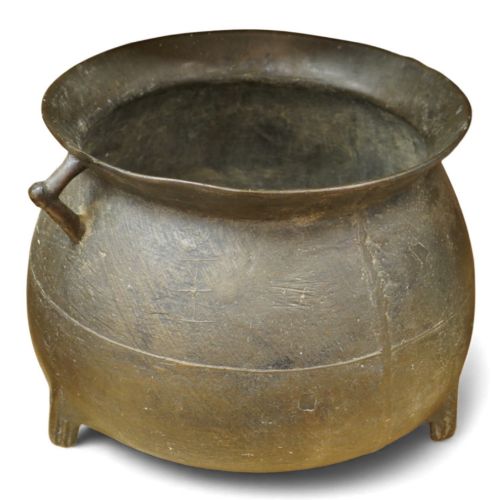
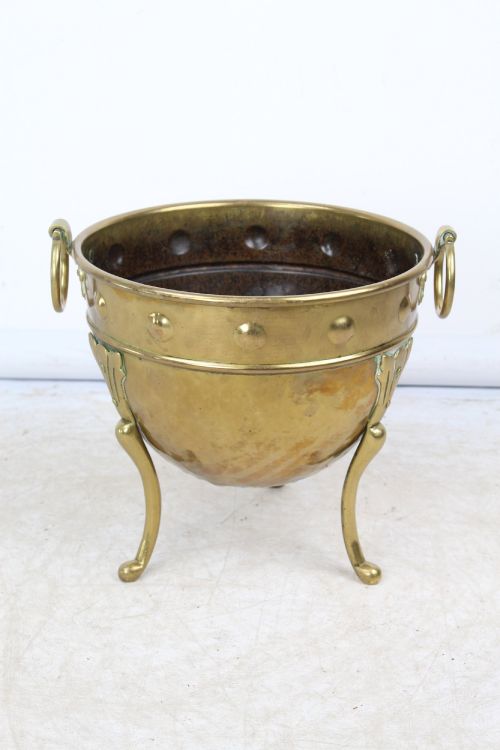
When searching for an antique hearth cauldron, buyers encounter heavy metal vessels designed originally for cooking over open fires and repurposed today as log bins and planters. The pieces available here span from seventeenth-century leaded bronze examples to nineteenth-century copper and brass cooking pots.
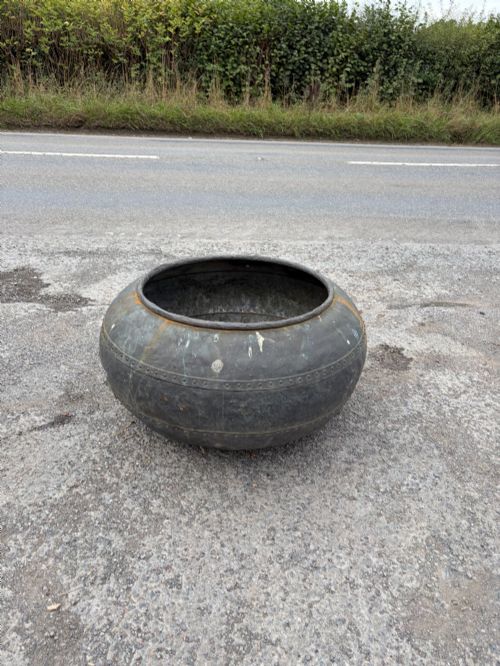
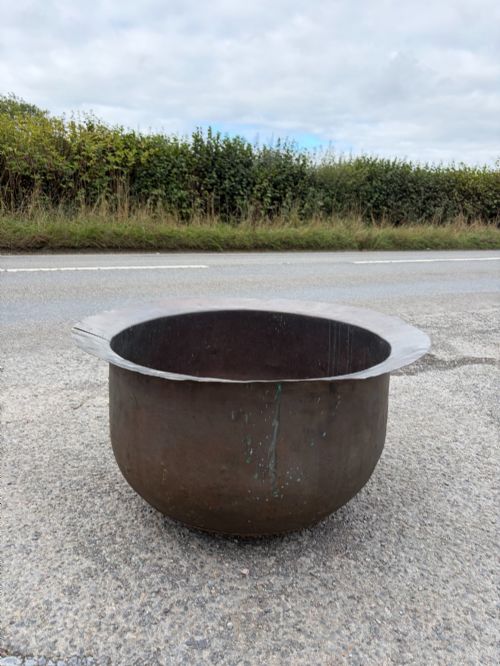
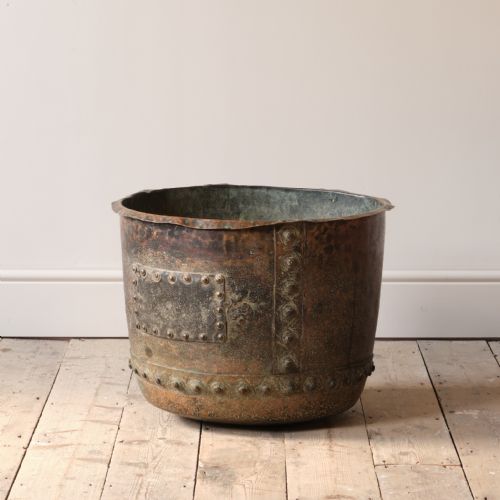
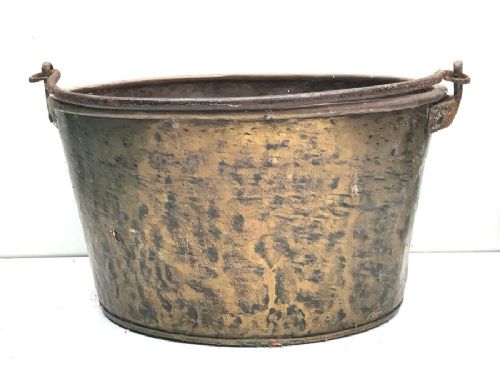
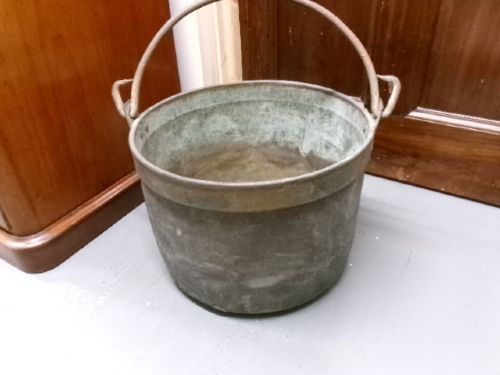
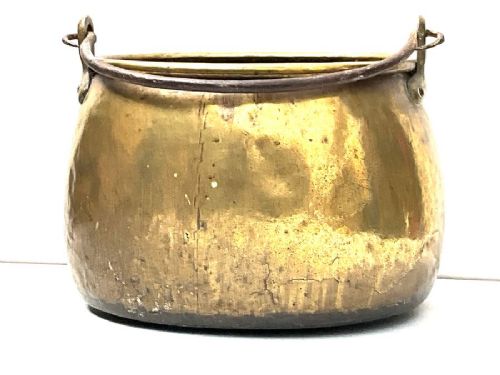
The nineteenth-century copper vessel with a swing handle represents the most frequent encounter on this page. These domestic pieces transition easily beside modern fireplaces or within gardens as planters.
Earlier seventeenth-century examples, such as Somerset type bronze cooking pots, display distinct cast forms intended for suspended open-hearth use. Georgian pans and cauldrons bridge the shift from utilitarian kitchenware to display items.
Materials and construction methods
Metal selection dictates the character of these items, with copper, iron, brass and bronze dominating the inventory. Copper vessels often utilise heavy riveted construction to withstand high heat and heavy loads.
Iron and wrought iron provide structural handles and supports, while cast bronze and leaded bronze define earlier seventeenth-century cooking pots. Surface patination develops naturally from age and original utility.
Makers shaped sheet copper with hand-beaten techniques, joining seams with durable rivets before attaching swing handles made of wrought iron or brass.
Many a nineteenth-century cooking pot spent decades boiling jam before retiring indoors to hold logs.
Factors of quality and distinction
Quality rests upon the weight of the metal, the integrity of the original construction, and the preservation of natural surface patina. Heavier gauge copper and thick-walled bronze examples show superior original utility and durability.
The retention of original components, such as wrought iron swing handles and secure riveting, elevates a piece. Evidence of genuine age through surface wear and honest patination separates superior examples from lesser items.
Henry Loveridge
The Antique Hearth Cauldron Glossary
- Cauldron
- A large metal pot with a swing handle, traditionally used for cooking over an open fire. These heavy vessels now serve frequently as log bins and garden planters.
- Leaded bronze
- An alloy of copper, tin and lead used for early cast pots. This composition provided strength and thermal properties suitable for seventeenth-century hearths.
- Patina
- The surface sheen and colour acquired through age, handling and exposure to heat. Original patina remains a key indicator of authenticity.
- Swing handle
- A moveable arched metal handle attached to opposite sides of a pot. These handles are typically forged from wrought iron or cast in brass.
- Jam pan
- A wide shallow brass or copper pan used historically for preserving fruit. These vessels are distinguished by their open tops and sturdy carrying handles.
Antique Hearth Cauldron: Frequently Asked Questions
How do I clean an antique copper cauldron?
Maintain the natural surface by dusting gently with a dry cloth to preserve the historic patina. Avoid harsh chemical cleaners that strip the aged character accumulated over centuries.
For copper surfaces, a mild soapy water solution suffices for routine care. Dry the metal thoroughly afterwards to prevent spotting.
Can I use an old metal cauldron outdoors?
Many of these heavy metal vessels function well outdoors as garden planters or log holders. Ensure proper drainage if planting directly inside the container.
Iron components require monitoring for moisture exposure to prevent active rusting. Placing vessels under shelter helps preserve vulnerable metal parts.
What is the difference between a cauldron and a log bin?
Cauldrons were originally cast or hammered for cooking over open fires with rounded bottoms or swing handles. Log bins encompass those same vessels once their hearth utility ended.
Nineteenth-century copper pots and brass pans frequently transition into fireside log holders. The form remains identical, while the domestic function shifts over time.
How do I date a seventeenth-century bronze pot?
Seventeenth-century pieces typically feature cast bronze or leaded bronze construction with distinct regional foundry characteristics like the Somerset type. Wall thickness and casting flaws point to period manufacturing methods.
Later nineteenth-century pieces rely on sheet copper and machine riveting rather than early sand casting. Comparing handle attachments and metal thickness clarifies the chronological span.