

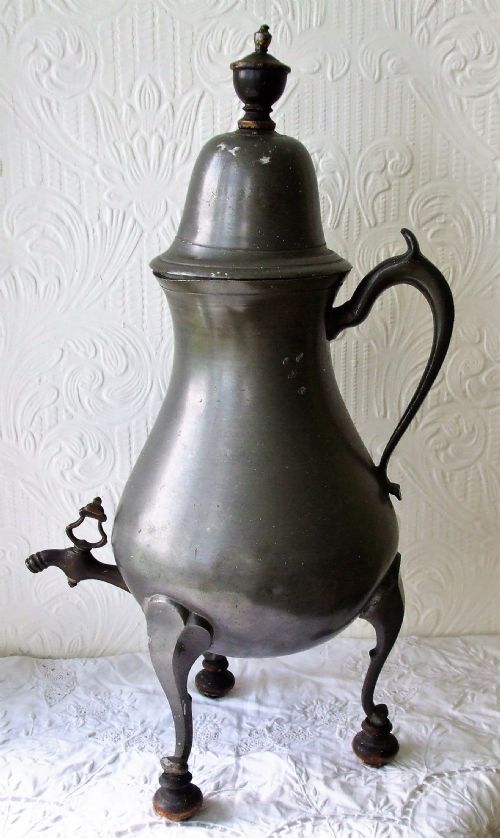


Antique Metalware Pot
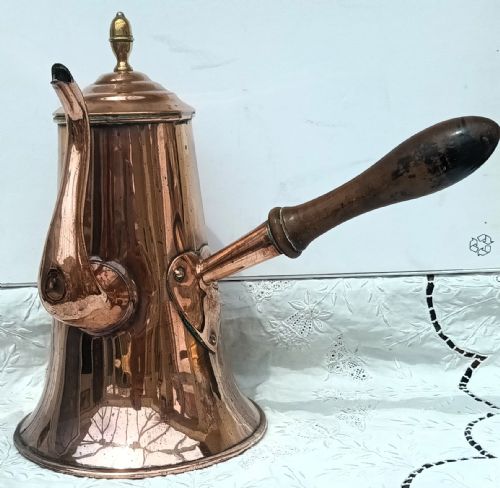
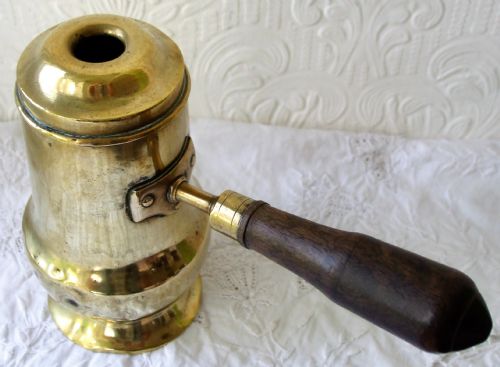
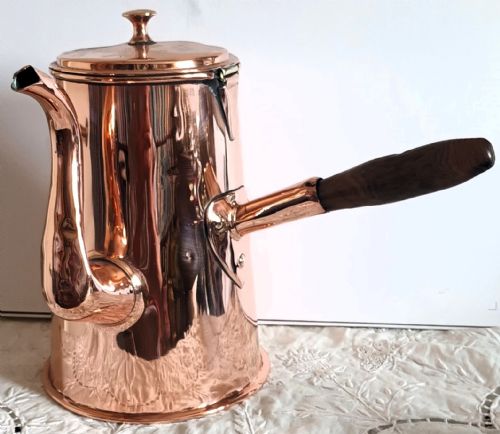
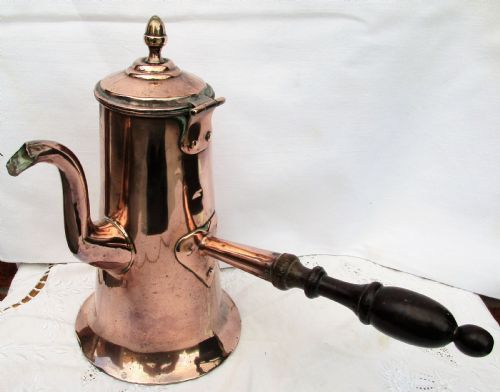
These antique metalware pot examples span centuries of domestic and ceremonial craft, offering robust utility and rich tactile history for the collector.
Antique Metalware Pot
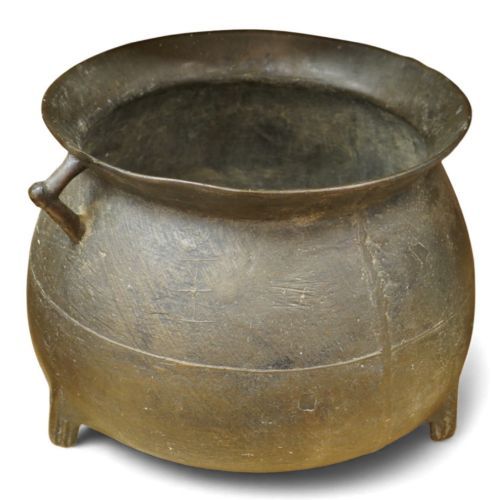
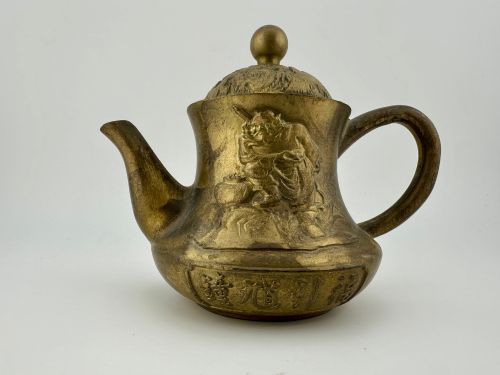
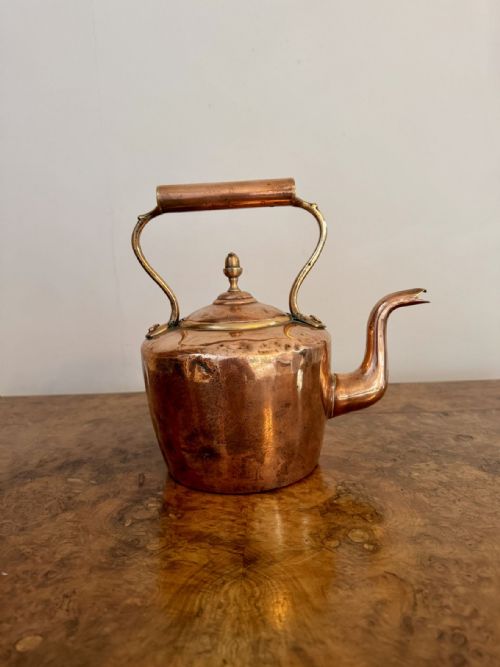
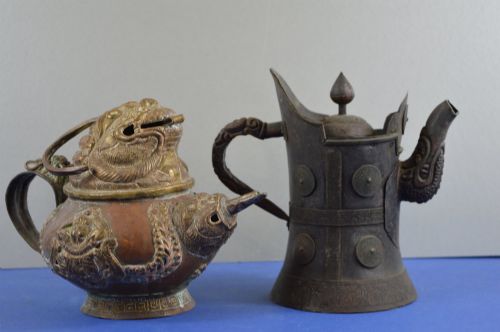
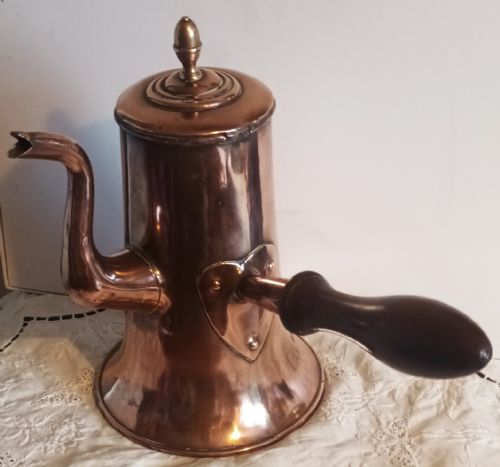
An antique metalware pot encompasses a diverse range of utilitarian and decorative vessels, from Georgian copper tea kettles and chocolate pots to heavy 17th-century bronze cauldrons and ceremonial ewers. Collectors searching this phrase encounter items shaped by varied domestic and ritual traditions across British, European, Asian, and Middle Eastern workshops.
The selections span multiple eras, most notably the 18th and 19th centuries, featuring distinct regional forms such as Welsh hearth cranes, Japanese sake kettles, and Tibetan butter tea vessels. These objects served practical roles over hearths or ceremonial functions in temples, retaining the marks of their original environments.
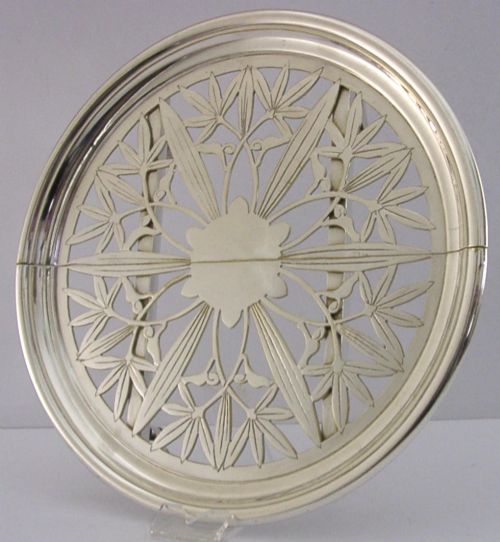
Vessels constructed from copper, brass, bronze, pewter, and silver plate dominate the current selection, reflecting both humble kitchenware and refined display pieces. Each form tells a specific story of historic metallurgy, whether through the heavy casting of Somerset-type cauldrons or the spun sheet copper of George III kitchen kettles.
Materials and construction techniques
Makers utilised resilient metals such as copper, brass, bronze, and pewter, shaping them through heavy casting, hand-beating sheet metal, and careful soldering. Iron and wood frequently appear for handles and structural fittings, providing durability and contrast to the softer metals.
Surface treatments range from simple polished finishes and hand-engraved detailing to cloisonne enamelling and multi-part construction with applied spouts and handles. Techniques evolved from sand-cast bronze vessels in the 17th century to the precise hammering and riveting seen in Georgian and Victorian kitchenware.
Antique Metalware Pot Retail Price Guide 2026
Typical asking prices for metalware pot among the pieces listed under this phrase on Sellingantiques today, from the lower quarter to the upper quarter. They describe what is for sale here now, not the wider market.
Some historical vessels doubled as hot water bottles for chilly Georgian bedsheets before settling down as decorative hearth ornaments.
Distinguishing quality in metalware
Quality rests in the integrity of the original construction, the weight of the metal, and the restraint or skill shown in surface decoration. Heavier gauges of copper and bronze demonstrate superior substance, while crispness in cast details or hand-engraving separates ordinary utility items from finer domestic art.
Proportion and original patination dictate visual success, where honest signs of historic use enhance the piece without compromising its structural form. Surviving maker stamps or regional attributions further elevate an example by connecting it to known workshops.
William Soutter And Sons·Christofle·Liptons
The Antique Metalware Pot Glossary
- Cauldron
- A large metal pot with a rounded bottom, designed for cooking over an open fire. Early examples often feature three feet and sturdy carrying handles.
- Argyle
- A vessel used for keeping gravy or sauce warm, featuring an internal compartment for hot water. This design ensured the contents remained heated during long Georgian dinners.
- Cloisonne
- An enamelling technique where metal wires form compartments on a metallic surface, which are then filled with paste and fired. It appears frequently on decorative Asian vessels.
- Spelter
- A zinc alloy often utilised as a substitute for bronze in decorative figures and vessels. It takes patination well but lacks the resonant weight of genuine bronze.
- Pewter
- A malleable metal alloy consisting primarily of tin, combined with copper and antimony. It was widely used for domestic drinking vessels and tableware before the advent of cheap ceramics.
Antique Metalware Pot: Frequently Asked Questions
How do I clean an antique metalware pot?
Gentle washing with warm soapy water and a soft cloth is usually sufficient for everyday care. Avoid harsh abrasive cleaners that strip away historic patination.
Polishing should be approached with caution, particularly on copper and brass, as collectors generally prefer surfaces that retain their aged tone rather than a bright, mirror-like shine.
How can I tell a Georgian kettle from a Victorian one?
Georgian kettles typically display hand-beated construction with dovetailed seams and simple, functional lines designed for open hearth use. They often carry a warmer copper hue and distinct hand-finished details.
Victorian pieces frequently benefit from industrial rolling mills for sheet metal and may incorporate more ornate Art Nouveau flourishes or machine-turned accents.
Were these pots used for cooking?
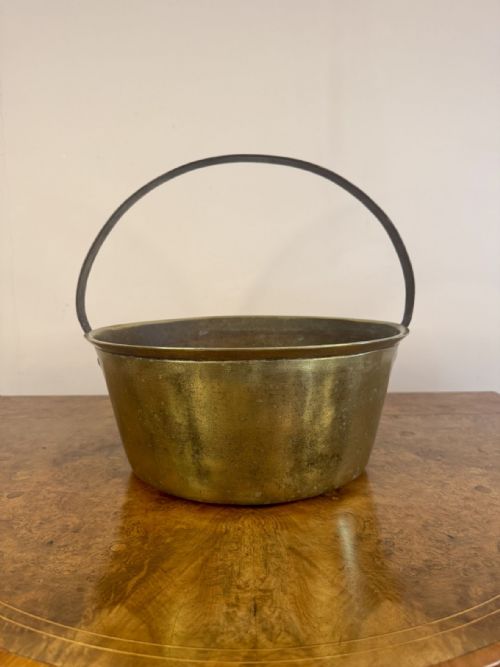
Many of the heavier bronze, iron, and copper vessels served direct culinary purposes over coal or wood fires. Items like jam pans, cauldrons, and saucepans bear the soot marks and wear of active kitchens.
Conversely, delicate ewers, ceremonial vessels, and plated items were designed for table service or ritual use rather than direct heat exposure.
What is the difference between brass and bronze?
Bronze is an alloy primarily composed of copper and tin, known for its deep colour, strength, and resonance when cast. It was the favoured metal for early cauldrons and ritual vessels.
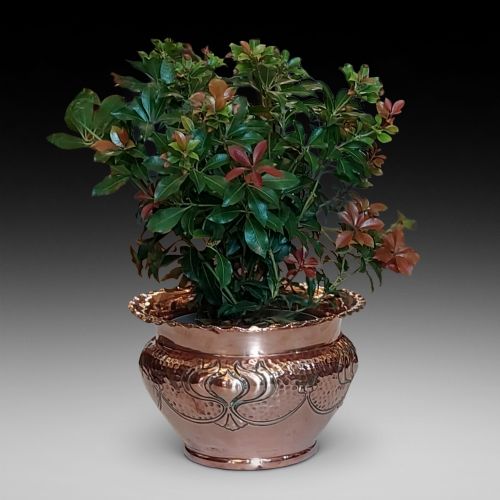
Brass is an alloy of copper and zinc, yielding a brighter golden tone that was widely utilised for domestic kettles, candlesticks, and decorative planters throughout the Victorian era.