




Antique Hardwood Stool Table
An antique hardwood stool table combines low seating and stable surface utility in dense timber, offering robust everyday function and intricate regional carving.
Antique Hardwood Stool Table
The search for an antique hardwood stool table brings together low seating, occasional tables, plant stands, and benches created from dense Asian and colonial timbers. These forms bridge the gap between furniture designed to be sat upon and surfaces intended to hold objects, serving multiple domestic purposes within a room.
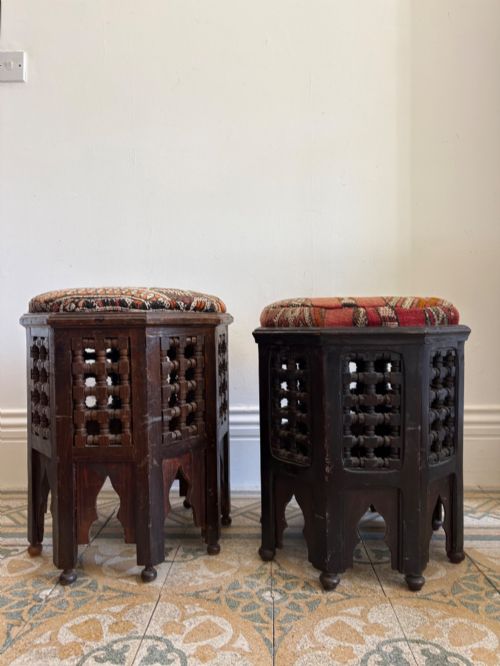
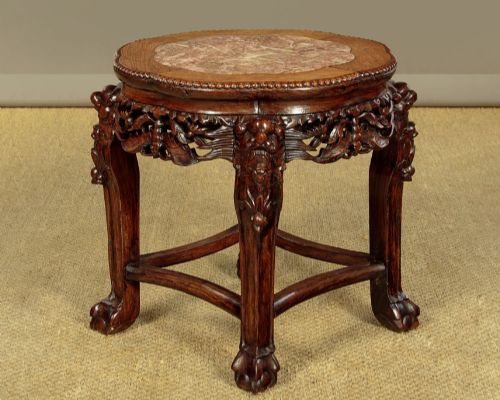
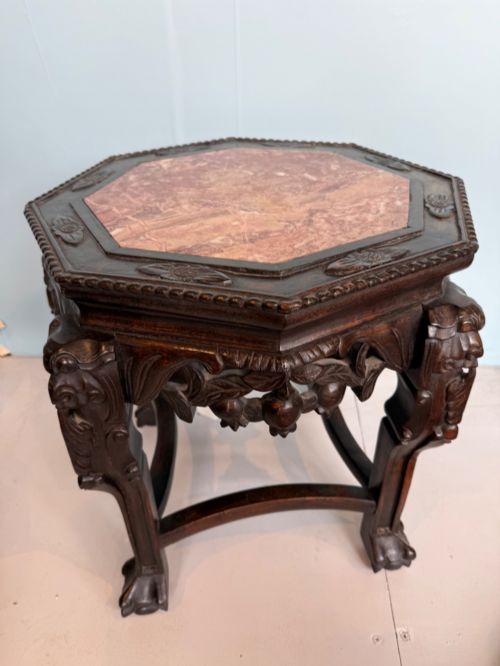
You are most likely to meet Chinese rosewood, hongmu, and elm pieces from the nineteenth century, including carved barrel stools, low tables, and marble-topped plant stands. Anglo-Indian examples involving elephant forms and bone inlay also appear frequently among these listings, spanning the Victorian era and the early twentieth century.
The dual nature of these items means a single piece often functions as a stool, an ottoman, a footstool, or a low lamp table depending on its height and top construction. Such versatility explains their enduring appeal in contemporary interiors where space and multi-purpose furniture matter.
How they were made
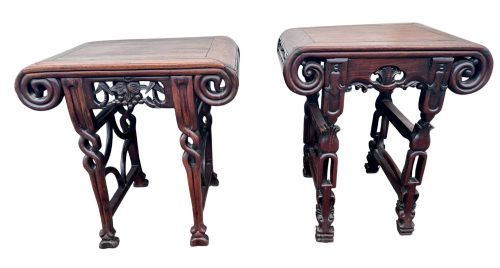
Construction relies heavily on dense timbers such as rosewood, hongmu, elm, and ebonised hardwood, selected for their structural strength and ability to take fine detail. Makers utilised traditional joinery alongside deep relief carving, piercing, and turning to shape structural frames and panels.
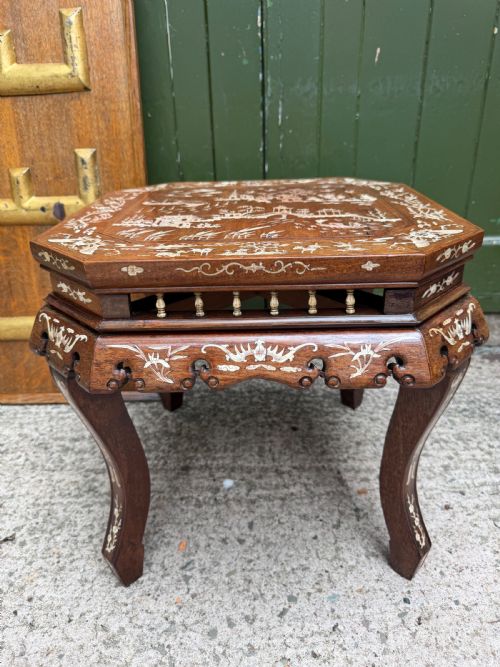
Surface decoration often incorporates contrasting materials embedded directly into the timber, including inset marble tops, porcelain panels, mother-of-pearl inlay, and bone accents. Lacquer finishes and polished wax highlight the natural grain and colour variations inherent in the heavy woods used across Chinese and Anglo-Indian workshops.
Antique Hardwood Stool Table Retail Price Guide 2026
Typical asking prices for hardwood stool table among the pieces listed under this phrase on Sellingantiques today, from the lower quarter to the upper quarter. They describe what is for sale here now, not the wider market.
Listings feature periods spanning from the Victorian era and 1860 through to the 1930s, alongside nineteenth-century Chinese Qing Dynasty and Anglo-Indian Colonial styles.
What varies in quality
The distinction between standard items and superior examples lies in the crispness and depth of the carved relief work across the hardwood frame. Artisans who invested greater time into undercutting foliage, animal figures, or geometric patterns produced pieces with exceptional shadow play and tactile presence.
Material selection and the integration of decorative inlays also dictate the standing of a piece. The inclusion of unblemished rouge marble inserts, intact mother-of-pearl sections, or well-figured burr wood panels elevates the craftsmanship far above simpler, plain-timber utility items.
The Antique Hardwood Stool Table Glossary
- Hongmu
- A traditional Chinese term denoting dense, dark hardwoods such as rosewood and related species valued for furniture. These heavy timbers take a high polish and resist warping.
- Burr wood
- Wood with distorted grain growth resulting in intricate patterns like swirls and knots. Cabinet makers prized these sections for prominent table and stool tops.
- Pedestal stand
- A raised support structure, often round or square, designed to elevate plants, lamps, or decorative objects. They frequently feature carved legs and inset marble surfaces.
- Barrel stool
- A seating or surface form curved in the manner of a wooden cask, sometimes called a drum shape. In Chinese traditions, these pieces often incorporate pierced panels.
- Bone inlay
- Small pieces of animal bone cut and pressed into channels carved within the timber surface. Anglo-Indian craftsmen utilised this technique to form geometric and figural designs.
Antique Hardwood Stool Table: Frequently Asked Questions
Can these stool tables function as actual seats?
Many of these pieces were originally constructed as stools, barrel seats, or benches designed to bear weight. Their sturdy hardwood frames remain entirely capable of supporting a person.
However, delicate items featuring inset marble or porcelain panels demand caution regarding direct seating. Assessing the structural rigidity of the underframe helps determine safe everyday use.
How do I care for marble-topped hardwood tables?
Marble surfaces require simple wiping with a damp cloth and mild soap to remove dust and daily marks. Avoiding abrasive cleaners prevents dulling the polished stone.
Applying microcrystalline wax to the surrounding hardwood helps nourish the timber and protect the finish against moisture without harming the stone inset.
What is the difference between an altar bench and a side table?
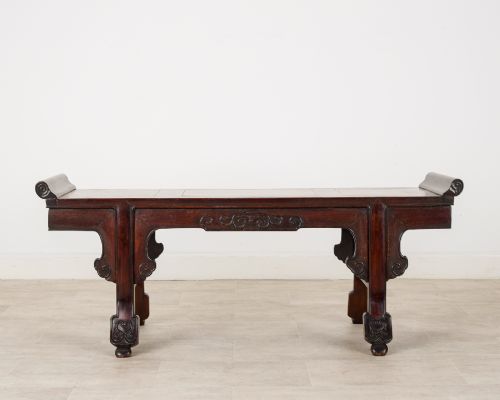
Altar benches typically present a longer, narrower rectangular proportion originally intended for ritual spaces or window placement. Their frames often display clean architectural lines or subtle end flanges.
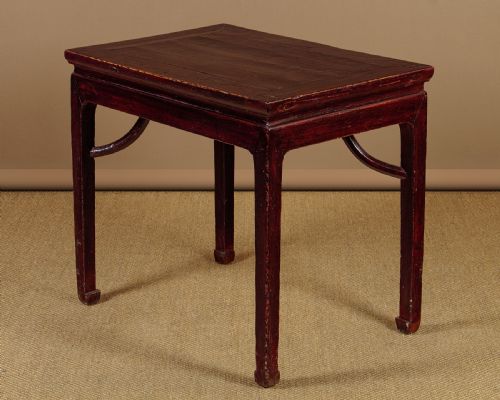
Side tables and occasional stands generally offer more compact, square, or circular dimensions suited for holding lamps or smaller decorative objects beside seating.
How do I distinguish Chinese Qing dynasty pieces?
Qing dynasty items frequently exhibit specific traditional motifs, deep hand-carved floral or dragon details, and the use of dense hongmu or rosewood. Construction methods reflect traditional joinery without modern metal fasteners.
Comparing the patination of the wood, the weight of the piece, and the style of the carving against documented regional examples aids in period identification.
Where should I place an elephant table at home?
Elephant tables and stands work effectively as low lamp tables, plant pedestals, or distinct accent pieces in a hallway or living room. Their carved animal forms and decorative bone inlay provide a strong visual focal point.
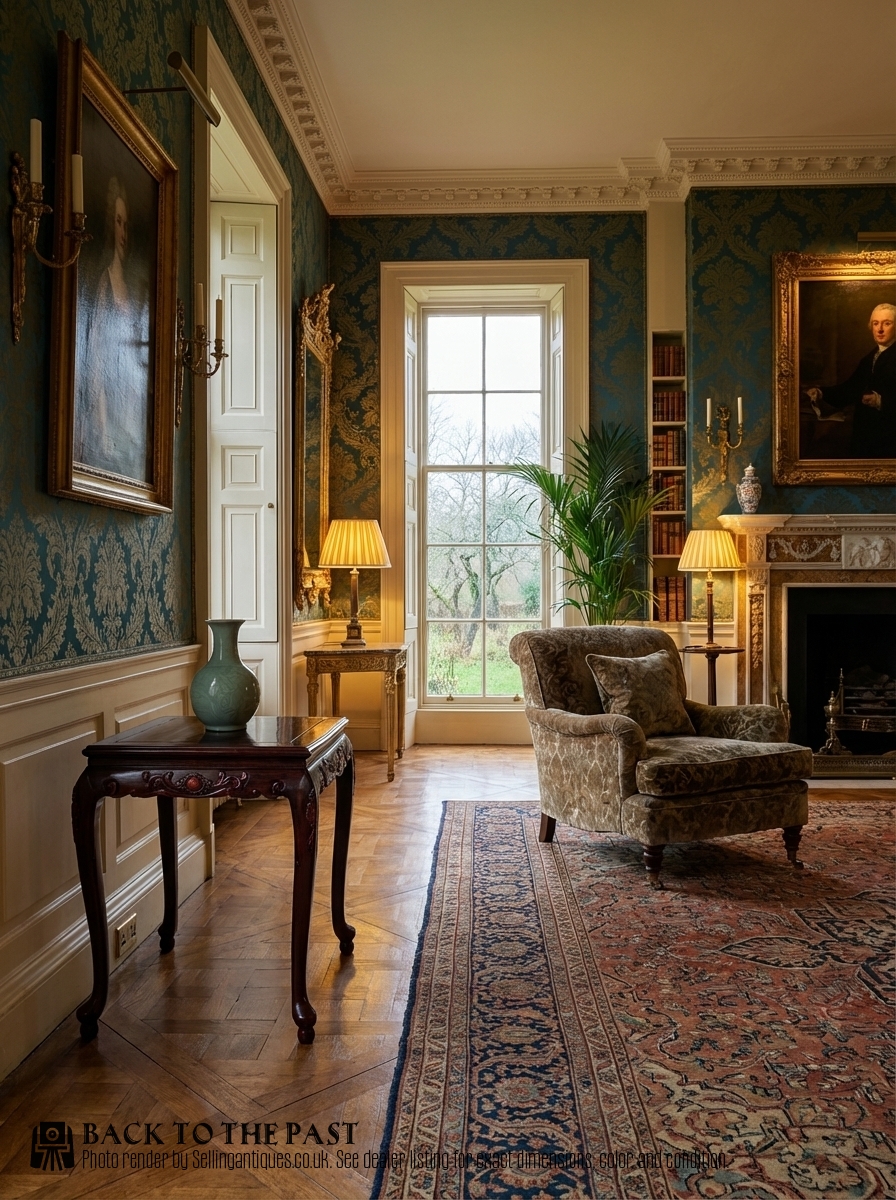
Pairing them with neutral backgrounds allows the intricate timber carving and sculptural legs to stand out clearly within the room layout.