

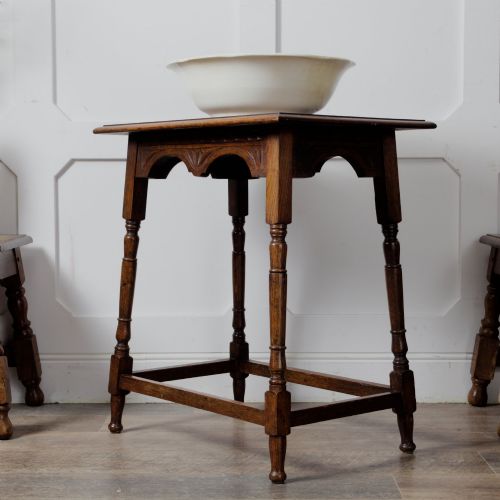
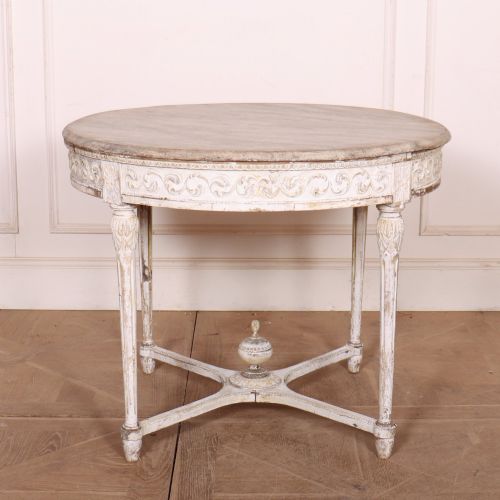
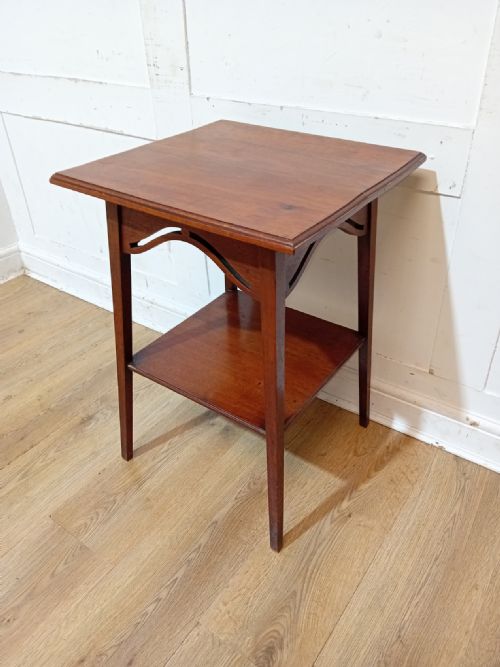


Carved Apron End Table
These carved apron end table pieces bring period craftsmanship into a room, offering surface space and distinct character.
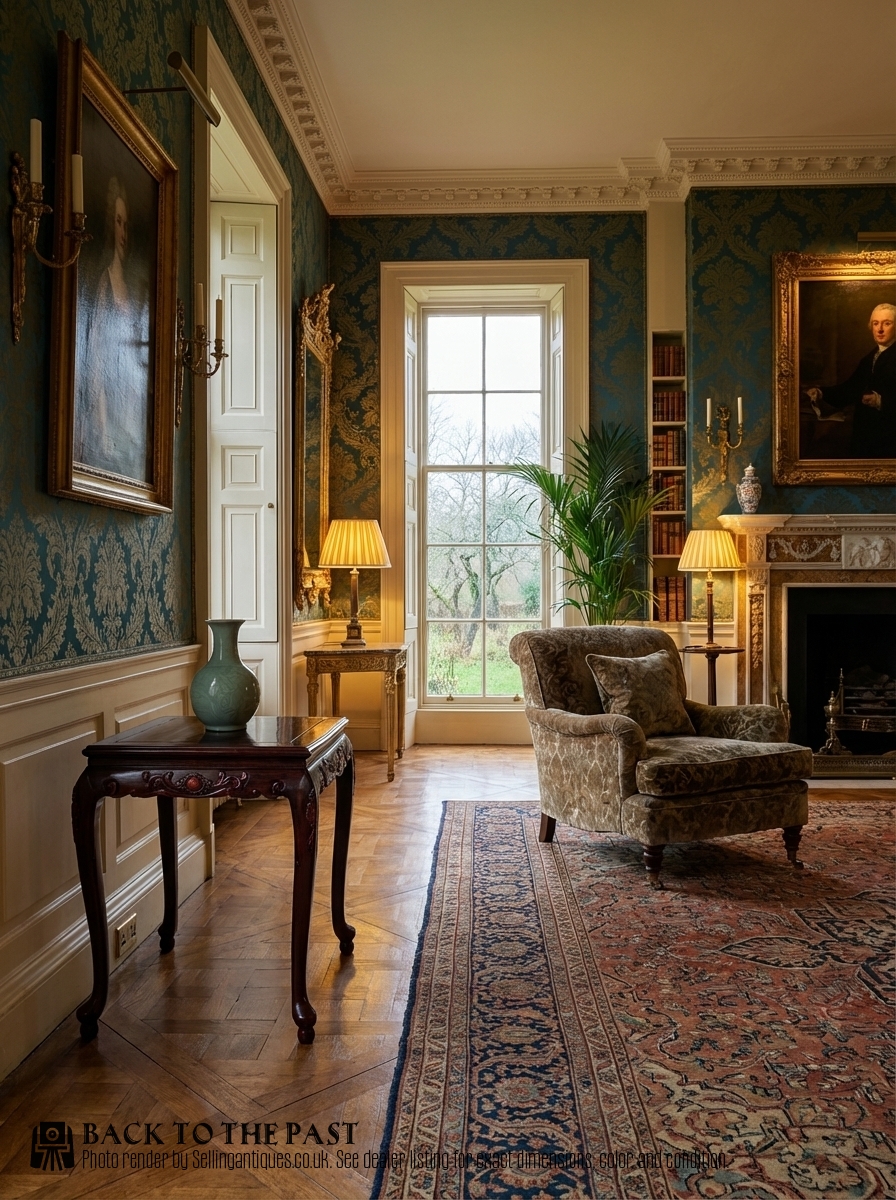
Carved Apron End Table
When you search for a carved apron end table, you are looking at occasional furniture designed to sit beside seating or against walls, often functioning as lamp tables, side tables, or centre tables. The selection ranges from compact nests of tables to substantial single stands.
You are most likely to meet oak and hardwood versions on this page, originating from periods such as the nineteenth century, the Edwardian era, and the eighteenth century. Styles span from Arts and Crafts and Late Victorian to Chinese Qing Dynasty, Gustavian, and Regency designs.
The defining characteristic across these forms is the decorated lower framing beneath the tabletop, which gives each piece its specific visual weight and regional identity. Makers utilised various timbers to suit both formal reception rooms and domestic spaces.
How they were made
Cabinetmakers constructed these tables using solid oak, walnut, rosewood, and imported hardwoods, frequently employing traditional joinery to ensure stability under daily use. Surfaces were often left to show the natural grain of the timber or treated with painted finishes.
Carving was executed by hand directly into the aprons and framing timbers, employing chisel work to render geometric, floral, or cultural motifs. Insets of marble or multi-tiered nesting constructions required precise carpentry to fit individual components together seamlessly.
Carved Apron End Table Retail Price Guide 2026
Typical asking prices for carved apron end table among the pieces listed under this phrase on Sellingantiques today, from the lower quarter to the upper quarter. They describe what is for sale here now, not the wider market.
The listings here include pieces in oak, walnut, rosewood, and painted timber across eighteenth, nineteenth, and twentieth-century periods.
What varies in quality
The depth and crispness of the hand-carving define the upper tier of these pieces, separating standard production work from examples with sharp, well-defined detailing along the aprons and legs. Timber selection also dictates grade, with figured rosewood and dense solid oak marking out superior examples.
Structural integrity and the retention of original surfaces, such as polished walnut or aged painted timber, determine the overall standard. Pieces that maintain their original proportions and uncompromised joinery stand apart from those altered over time.
Liberty of London
The Carved Apron End Table Glossary
- Apron
- The horizontal timber member connecting the legs directly beneath the tabletop. This area receives the characteristic carving that identifies the style.
- Quartetto
- A set of four nesting tables designed to slide neatly beneath one another. They were popular in late nineteenth-century imported hardwood forms.
- Centre table
- A freestanding piece finished on all sides to sit in the middle of a room rather than against a wall. These often feature prominent rosewood or walnut construction.
- Nest of tables
- A group of graduated tables that stack together into the footprint of the largest single piece. They provide flexible surface area in compact spaces.
Carved Apron End Table: Frequently Asked Questions
What is a carved apron end table used for?
These tables provide a convenient surface for lamps, books, or decorative objects next to seating arrangements.
Their compact forms allow them to function easily as bedside stands or occasional furniture in reception rooms.
How do I date a carved apron end table?
Dating relies on identifying the timber species, construction methods, and stylistic cues such as Arts and Crafts or Regency motifs.
Period markers like Edwardian oak or nineteenth-century hardwood help establish a reliable timeframe of origin.
How do I care for antique wooden tables?
Keep wooden surfaces away from direct heat sources and strong sunlight to prevent the timber from drying out or splitting.
Apply suitable wax polish occasionally to nourish the grain and maintain the natural lustre of the finish.
Are nesting tables stable?
Quality nesting tables are built with balanced proportions that support everyday placement of small objects without tipping.
The interlocking design allows smaller tiers to slide securely into the main frame when not in use.