


Antique Harbor Artwork
Antique harbour artwork captures maritime life through paintings and works on paper that bring historical ports into your home.
Antique Harbor Artwork
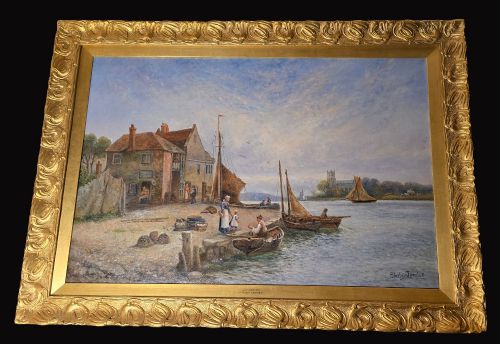
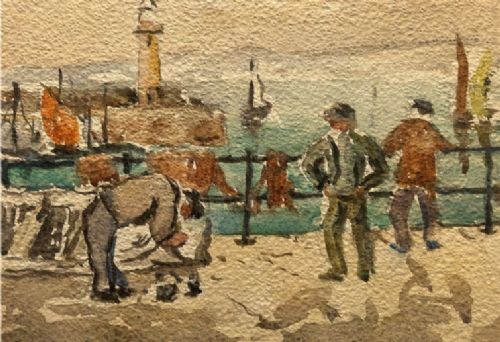
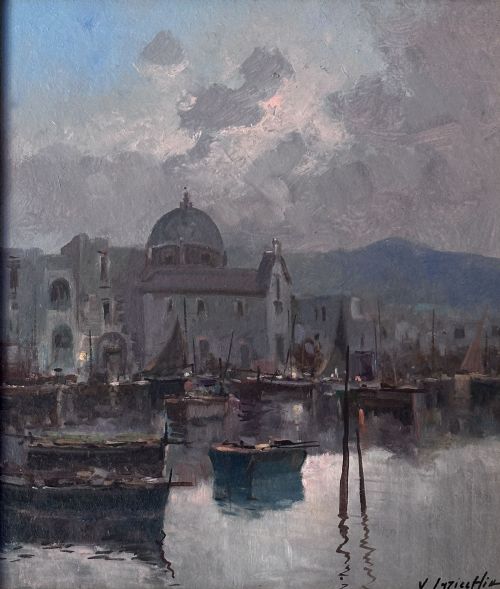
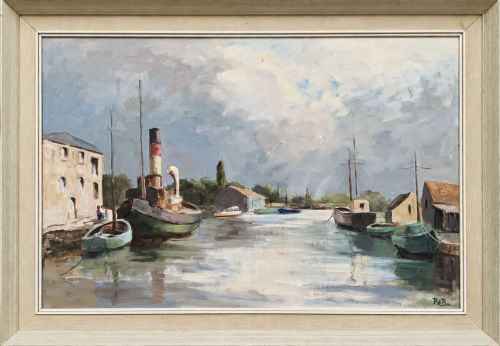
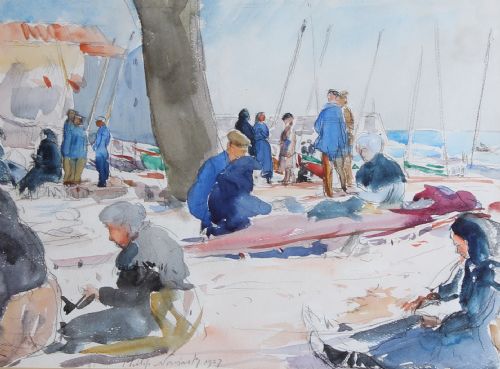
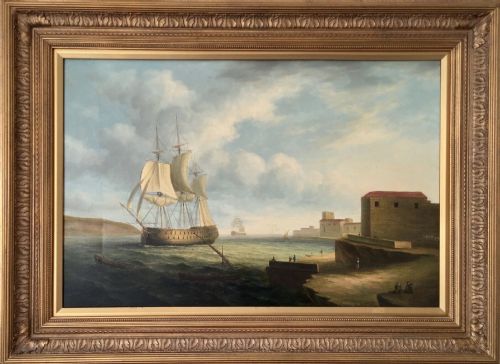
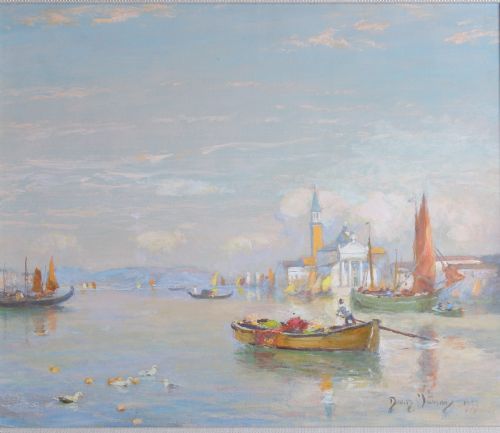
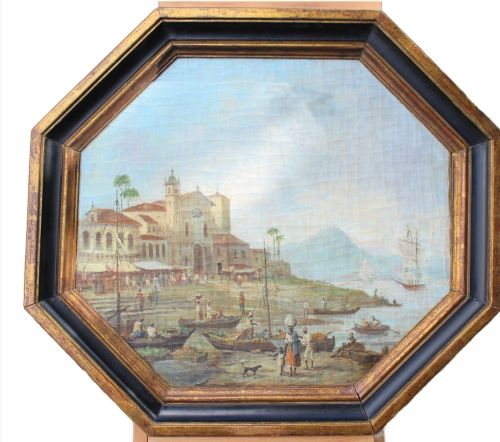
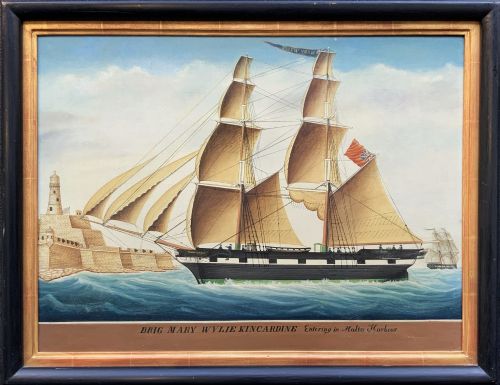
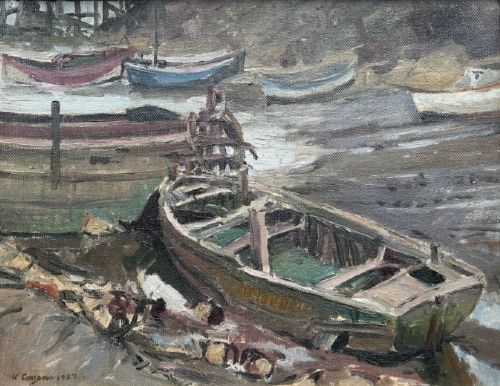
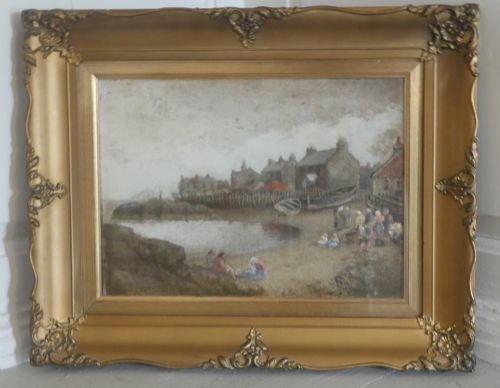
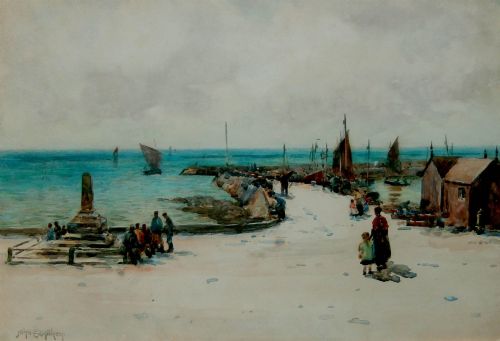
When you examine antique harbour artwork, you are looking at coastal scenes, busy ports, and fishing villages rendered in oil or watercolour. These pieces span the nineteenth and twentieth centuries, featuring British and continental locations from fishing ports like St Ives to international destinations such as Venice and Malta.
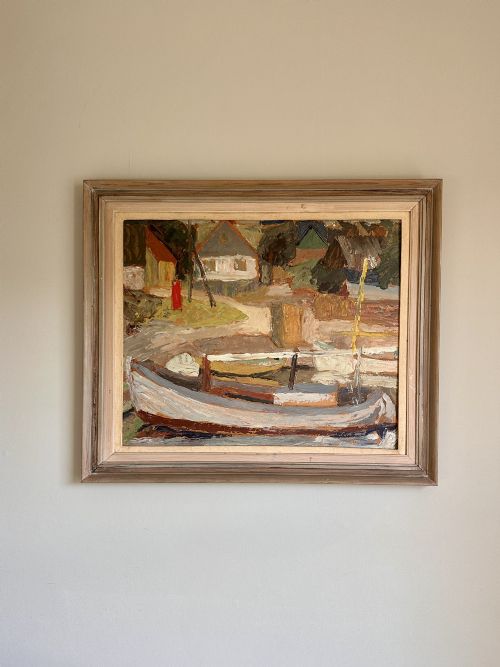
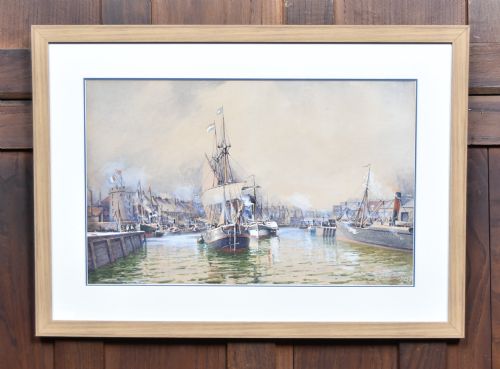
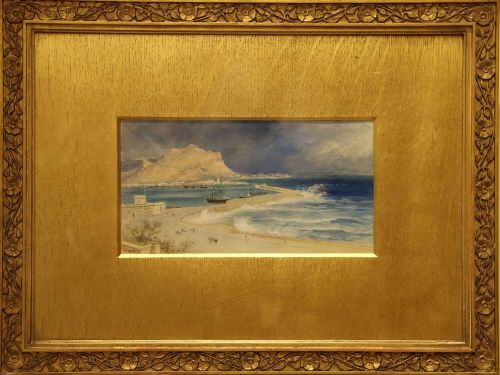
The works on this page lean heavily toward nineteenth-century marine scenes and early twentieth-century watercolours. You will encounter framed oil paintings on canvas and panel alongside delicate paper works showing docks, estuaries, and maritime traffic.
Portrayals range from detailed historical shipping records to impressionistic treatments of light on water. Collectors seek these items for their historical documentation of coastal communities and their decorative presence.
Materials and Methods
Artists relied primarily on oil paint applied to canvas or wood panel, or watercolour pigments worked onto paper. These mediums allowed painters to capture the shifting reflections of water and the atmospheric conditions of coastal weather.
Many surviving pieces retain their original or period gilt frames, which often incorporate gold leaf to complement the painted light. Works on paper typically require glass protection to preserve the delicate watercolours.
Antique Harbor Artwork Retail Price Guide 2026
Typical asking prices for harbor artwork among the pieces listed under this phrase on Sellingantiques today, from the lower quarter to the upper quarter. They describe what is for sale here now, not the wider market.
Listings feature works spanning the nineteenth century through the 1950s, created using oil, watercolour, and print techniques on paper, canvas, and wood.
Factors That Separate Examples
The ability of the artist to convey atmospheric depth and light distinguishes finer works from routine topographical recording. Skilled brushwork captures the movement of water and the specific architectural details of quaysides rather than relying on stiff formulae.
Condition plays a vital role, particularly for works on paper where foxing or fading can diminish the impact. Original framing also contributes to the integrity of the piece, as period frames match the aesthetic intent of the creator.
Sir David Murray RA·Eugène-Louis Gillot·James Kay RSW·Augusto Alberici·Paul Delvaux
The Antique Harbor Artwork Glossary
- Watercolour
- A paint consisting of a solution with a water-soluble binder, used extensively on paper for coastal landscapes and maritime views.
- Oil on Canvas
- Pigments bound in a drying oil applied to stretched woven fabric, providing durability and rich texture for marine paintings.
- Gilt Frame
- A wooden border covered with gold leaf or metallic gilt, frequently found on nineteenth-century oil paintings.
- Panel
- A flat wooden board used as a rigid support for oil painting instead of stretched canvas.
Antique Harbor Artwork: Frequently Asked Questions
What subjects appear in these works?
The selections depict bustling ports, quiet estuaries, fishing boats, and naval vessels across British and European locations.
Artists focused on real maritime geography, recording specific quaysides, tidal changes, and coastal architecture of the era.
How do I care for watercolour pieces?
Watercolour paintings require protection from direct sunlight to prevent the pigments from fading over time.
Keep them in stable environmental conditions away from excessive moisture to preserve the paper and backing.
Are these works signed by the artists?
Many examples feature signatures or inscriptions left by the painter, often identifying the specific port or coastal view.
Unsigned works are frequently attributed through stylistic analysis or period documentation associated with the piece.
How do oil and watercolour differ here?
Oil paintings on canvas or panel offer robust textures and deep colour saturation suited to dramatic maritime light.
Watercolours on paper provide a lighter, more translucent quality that captures subtle atmospheric effects in coastal scenes.